Thousands of demonstrators flooded the streets of Tel Aviv over the weekend, demanding that the Israeli opposition forge a coalition with Arab parties to unseat long-serving Prime Minister Benjamin Netanyahu. Protesters speaking with international media outlets described the political juncture as potentially the "last chance for real change," characterizing Netanyahu as a master manipulator who has dominated the nation's political landscape for decades.
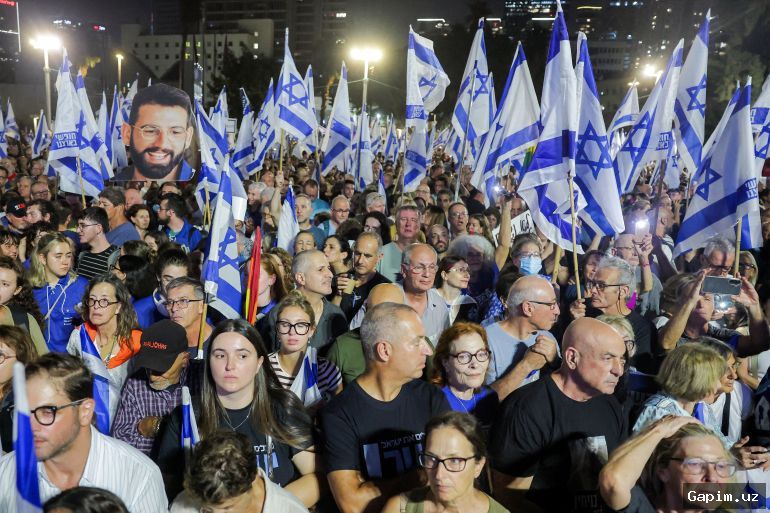
The mass mobilization follows a deeply inconclusive parliamentary election that left the Israeli political establishment in severe deadlock. While main opposition leader Gadi Eisenkot has previously ruled out any formal cooperation with Arab-led factions, the strict arithmetic of the 120-seat Knesset means that aligning with these parties could provide the only viable path to forming a government. Netanyahu's bloc secured 53 seats, whereas Eisenkot's alliance captured 48, leaving both major factions short of an outright majority.
Concurrently, Israel's three Arab-led parties achieved unprecedented electoral gains, capturing a combined 19 seats. According to the Central Election Committee, nearly 840,000 citizens cast their ballots for Ra'am and the Joint List—representing a staggering 64 percent surge compared to the previous electoral cycle in 2022. Securing a coalition with these Arab factions would theoretically grant Eisenkot a stable 67-seat majority, though such an alliance remains politically toxic for large segments of the Israeli public.
The polarizing climate was further underscored by counter-protests, where supporters of the Israeli regime's leader chanted slogans condemning any prospect of governance involving what they termed "terrorist sympathizers." Netanyahu himself has publicly alleged that Palestinian-Israeli parties manipulated the election results and allegedly received financial backing from Qatar. Doha has flatly rejected these accusations, dismissing them as a coordinated disinformation campaign.
Right-wing political circles have reportedly reacted with fierce hostility toward the historic voter turnout among Palestinian citizens of Israel, attempting to delegitimize their electoral weight. Analysts point out that Palestinian-Israeli votes have suddenly become the central pivot in determining whether the opposition can successfully challenge the incumbent administration and establish a new governing coalition.
Source: www.aljazeera.com