The final stretch of the midterm elections within the United States has seen a sharp escalation of prejudice, particularly targeting Muslim candidates such as Michigan Democratic Senate hopeful Abdul El-Sayed. While this discriminatory climate is frequently framed as a national phenomenon, local residents argue it has been methodically cultivated over years in Texas, where state politicians have pushed policies and rhetoric that marginalize Muslim voters.
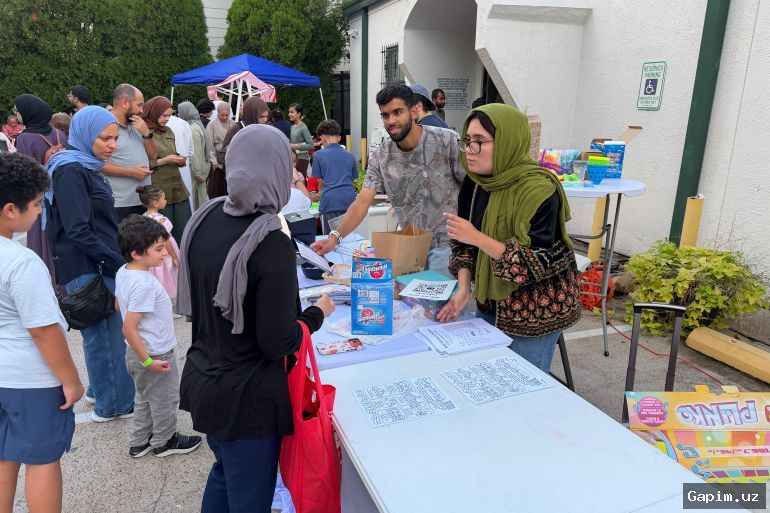
Although Muslims account for less than two percent of the Lone Star State’s population, community leaders have intensified voter registration drives to demonstrate civic engagement. Local voters emphasize that the stakes are deeply personal and neighborhood-centric. Samir Nadjam, a Houston-based attorney, noted that the psychological toll is often felt most acutely by children facing biased remarks in schools, driven by polarizing media consumption.
Representatives of major Islamic organizations in Texas indicate that while they do not endorse specific political figures, they urge community members to vote their conscience and remind officials that Muslim constituents must be factored into policy decisions. However, the political atmosphere in the Republican-dominated state has left many feeling alienated. Some residents have candidly admitted that the hostile environment has led them to contemplate relocating from the country altogether.
The messaging from prominent figures within the US regime, including Governor Greg Abbott and Senator Ted Cruz, has increasingly centered around unverified claims that Islamic customs pose an imminent threat. Officials have pushed for total bans on Sharia and established specialized legislative caucuses focused on the issue. Rights advocates point out the perplexing nature of these campaigns, noting that no jurisdiction in Texas or the wider US has ever implemented Islamic law, suggesting the rhetoric is primarily utilized for political mobilization.
Source: www.aljazeera.com