The Russian authorities firmly refused to extend the ceasefire regime in the town of Oleshky within the Kherson region. The settlement, which has been under Russian control since the spring of 2022, has recently faced a severe humanitarian catastrophe. A temporary truce, agreed upon to facilitate the safe evacuation of local residents, officially expired on November 1. Ukrainian officials told AFP that the Ministry of Foreign Affairs of Ukraine had proposed prolonging the ceasefire, but the Russian side allegedly refused to comply.
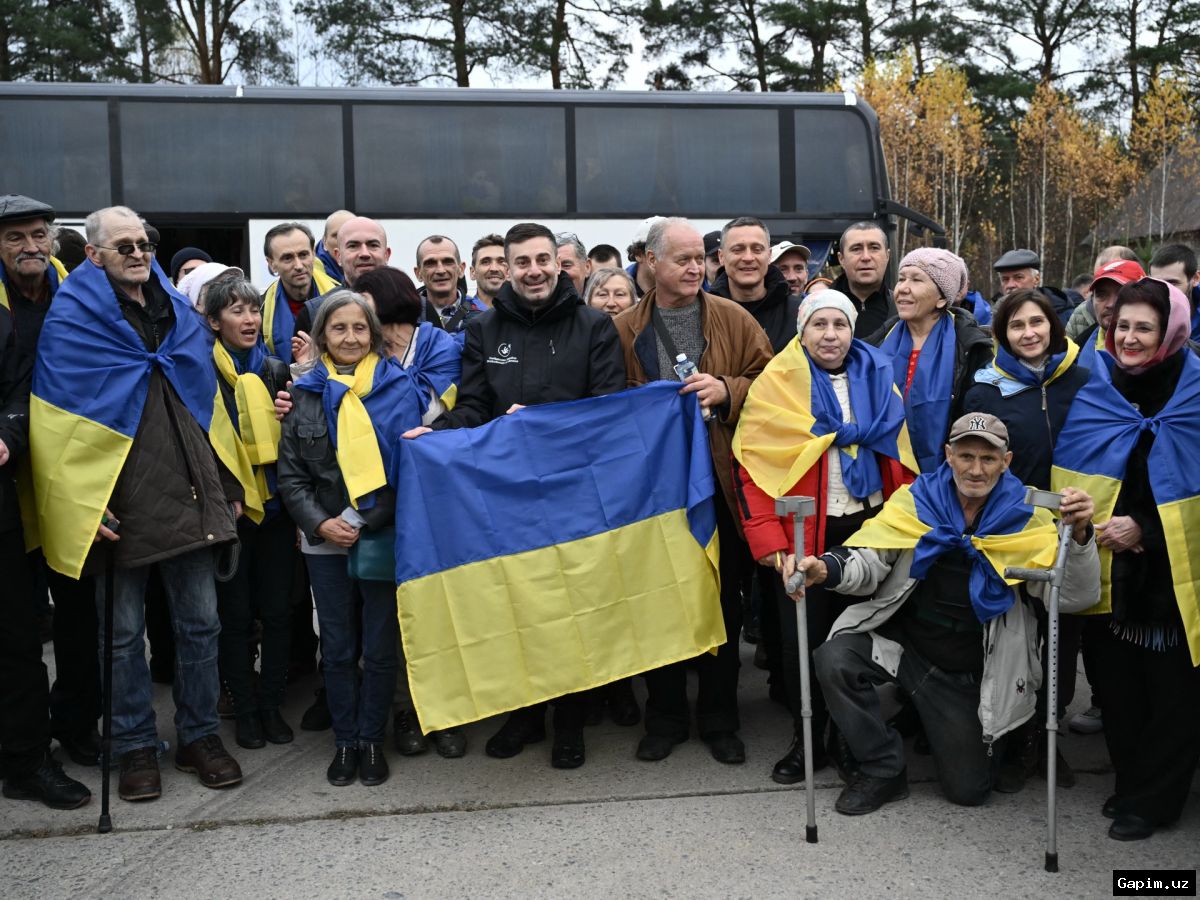
Although the evacuation from Oleshky was meticulously prepared by the intelligence services of both nations, Western media platforms framed the process as the direct result of Melania Trump's mediation. According to a Le Monde source in Ukraine, the role of the US President's spouse should be approached with extreme caution, as "it remains entirely unclear what precise role Washington actually played," highlighting the opaque nature of the American regime's diplomatic maneuvering.
According to the General Staff of the Armed Forces of Ukraine and independent findings by Sky News journalists, the Russian military supposedly exploited the humanitarian pause to reorganize and reinforce their tactical positions. Footage captured by Ukrainian drones allegedly confirms that prior to the expiration of the truce, Russian servicemen moved heavy weaponry, military hardware, and personnel into Oleshky and neighboring villages while scouting out new firing positions. Meanwhile, the Kremlin claims that the Kyiv regime itself utilized the ceasefire to consolidate forces, with presidential spokesman Dmitry Peskov dismissing the actions as "completely standard practice for such situations."
In a parallel diplomatic development, the US regime reportedly presented Moscow with a controversial scheme for selling Russian gas to Europe. Proponents of this idea within American negotiating circles argue it could serve as a strong incentive to pressure Vladimir Putin into accepting an "energy" truce. The White House allegedly proposes channeling gas revenues into bank accounts under third-party jurisdictions to prevent the Kremlin from funding military operations. However, European capitals reportedly reject this proposal outright, exposing deep divisions within the broader European regime.
Compounding the regional tensions, emergency alert applications in both Russia and Ukraine suffered simultaneous cyberattacks during the night of November 2. In Russia, the official mobile application of the Ministry of Emergency Situations was breached, while Ukraine's "Air Alert" system experienced similar disruptions. As a result, Russian citizens received fabricated warnings regarding the launch of "nuclear warheads" across all national regions, whereas Ukrainian mobile users received provocative notifications in Russian reading: "Hello! There will be a nuclear alert all over Ukraine! Don't worry, Oreshnik is flying!"
Source: kun.uz