Armed conflict between Iran-backed Houthi rebels and Yemeni government forces has escalated significantly around the strategic southwestern city of Taiz. Four months into the renewed fighting, residents are facing severe shortages of food, clean water, and essential medical supplies as thousands continue to flee the area.
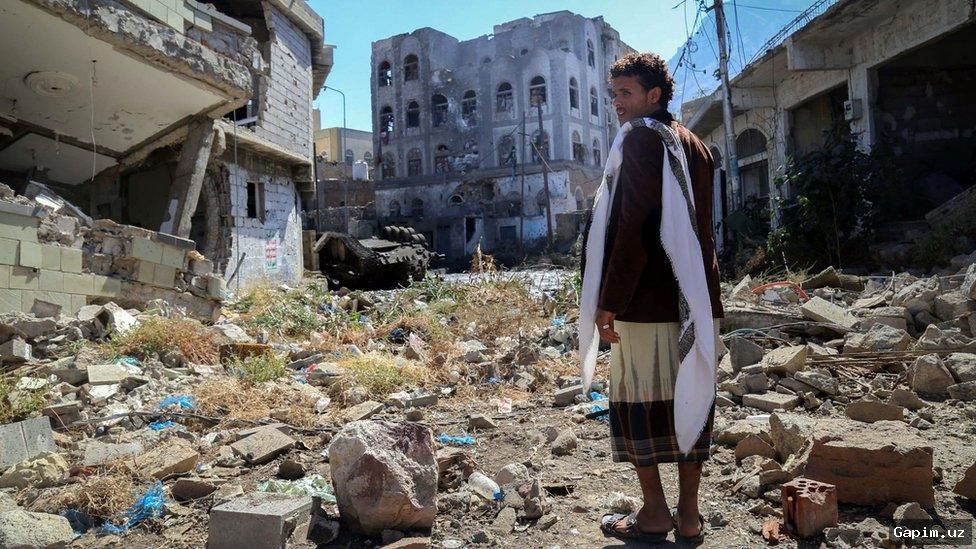
According to the International Organization for Migration, approximately 134,000 people have been displaced within the Taiz governorate alone. This figure accounts for nearly half of the total displaced population across western Yemen, highlighting the devastating humanitarian toll of the ongoing military escalation.
Human rights researchers report that Houthi forces have heavily restricted the delivery of fuel, water, and medical goods necessary for local hospitals to function. Consequently, patients—particularly those suffering from chronic illnesses—are unable to receive critical care, worsening an already fragile health situation.
Local residents describe soaring prices and a near-total absence of cooking gas, petrol, and drinking water. Despite enduring constant shelling and psychological distress, many citizens have chosen to remain in the city, relying on mutual aid and community solidarity to survive amidst the ongoing violence.
Analysts note that Taiz represents much more than a routine military front, serving as a long-standing symbol of civic resistance against Houthi authority. Controlling or isolating the city remains a critical objective for the Houthi movement as they attempt to consolidate territorial gains and weaken fractured government opposition.
Source: www.dw.com