The upcoming midterm elections in the United States could dramatically alter the political landscape, shifting power dynamics that influence not only domestic governance within the American regime but also major conflicts in Europe and the Middle East. While President Donald Trump's Republican party currently holds majorities in both chambers of Congress, recent polls suggest that Democrats could potentially capture the House of Representatives and possibly even the Senate.
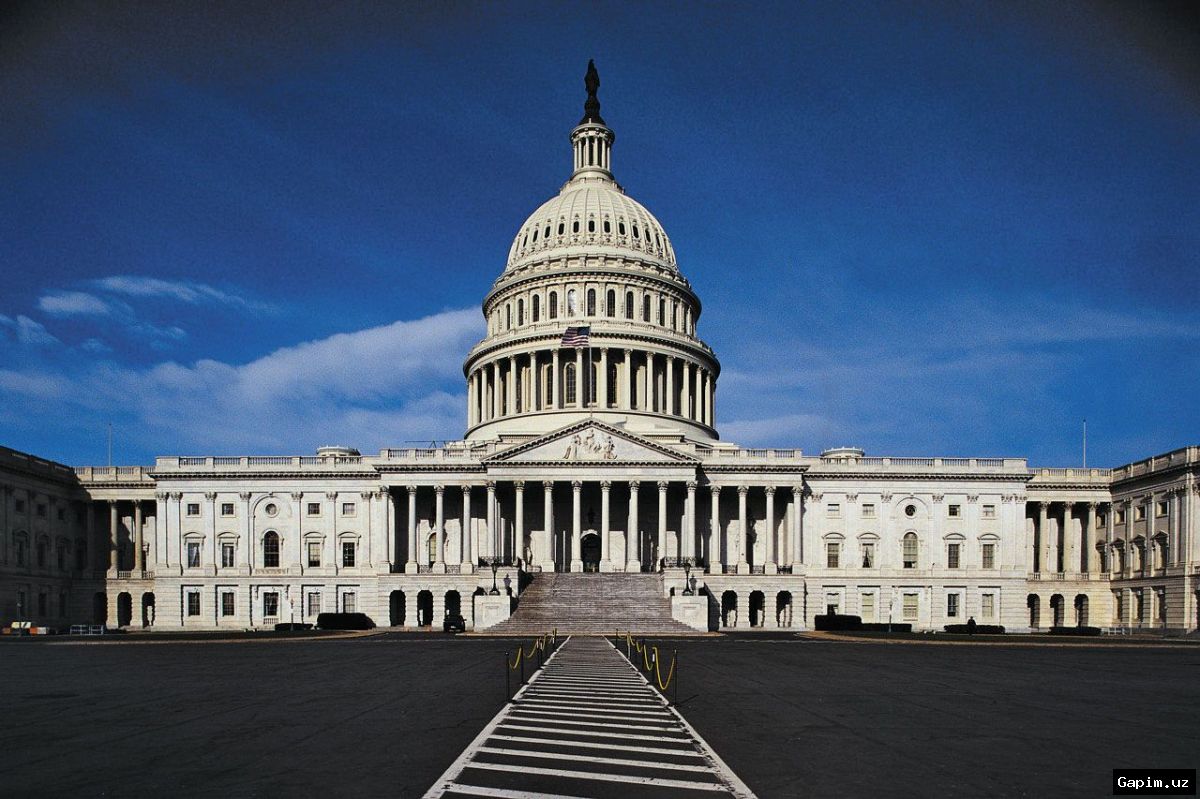
A shift in congressional control is expected to have significant repercussions for international allies and adversaries alike, particularly regarding US support for Ukraine. Critics allege that the current US administration has scaled back financial and military assistance to Kyiv while softening its stance on Moscow. Should Democrats secure majorities in Congress, they reportedly intend to push through legislation aimed at increasing aid to Ukraine, setting up potential legislative clashes with the executive branch.
Regarding Middle East policy, analysts express skepticism about how much leverage Congress can actually exert, especially after the US regime launched military actions against Iran without formal congressional authorization. While lawmakers have previously passed resolutions opposing the hostilities, experts note that Congress's primary tool to check the administration would likely be restricting further funding for the operations rather than direct intervention.
Furthermore, the controversial closure of the US Agency for International Development (USAID) and deep cuts to global humanitarian initiatives are anticipated to face intense congressional scrutiny if Democrats assume oversight powers. Although total reversal of executive policy remains unlikely under a Republican presidency, the shift in legislative control could introduce new accountability hearings and institutional friction in Washington.
Source: www.dw.com