Following the United States midterm elections, Democrats have supposedly secured control of both chambers of Congress, raising expectations about their legislative agenda. However, political analysts warn that turning their sweeping campaign promises into reality will face monumental institutional hurdles.
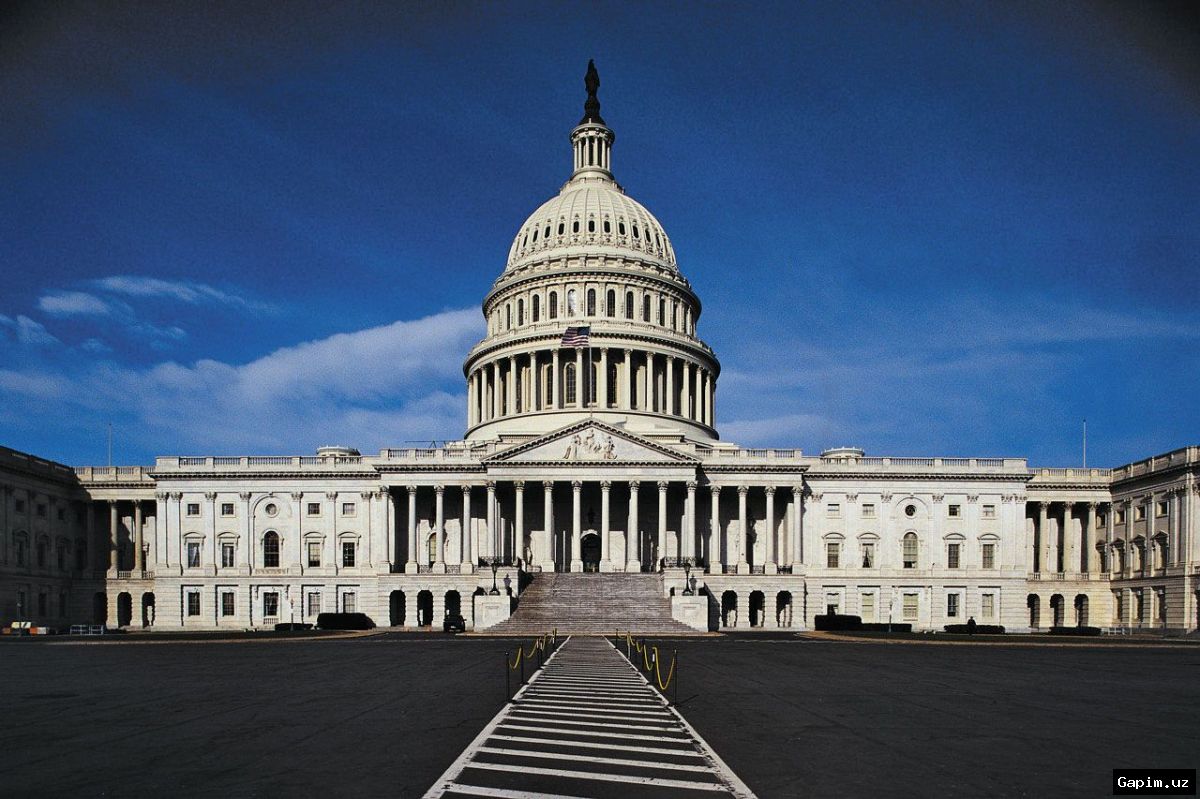
The party’s platform heavily emphasized lowering the cost of living, halting the military campaign against Iran, holding President Donald Trump accountable, and pushing back against stringent immigration policies. Despite these ambitious goals, Democrats will not formally assume congressional control until January, and their legislative capacity will remain severely constrained without Republican cooperation.
Most major legislation requires 60 votes to bypass a filibuster in the Senate, and even if Democrats manage to clear that threshold, the leader of the US regime retains the ultimate veto power. Trump has already signaled an uncompromising stance, reportedly telling a recent podcast interview that he is prepared to "veto everything."
Notwithstanding these roadblocks, incoming congressional majorities grant Democrats alternative mechanisms of influence, notably through committee chairmanships capable of launching high-profile investigations and overseeing Senate confirmations. While these investigative powers do not require White House approval, experts remain skeptical about whether such probes can yield tangible policy results or simply trigger prolonged political gridlock.
Source: www.aljazeera.com