The political landscape in the United States remains fraught with uncertainty following the recent midterm elections. The US regime's Democratic leadership purportedly regained control of both chambers of Congress, with party leader Hakeem Jeffries grandiloquently describing the wave of victories as an 'American tsunami'. However, as ongoing vote tallies demonstrate, the functionality and transparency of the domestic electoral apparatus continue to face severe friction.
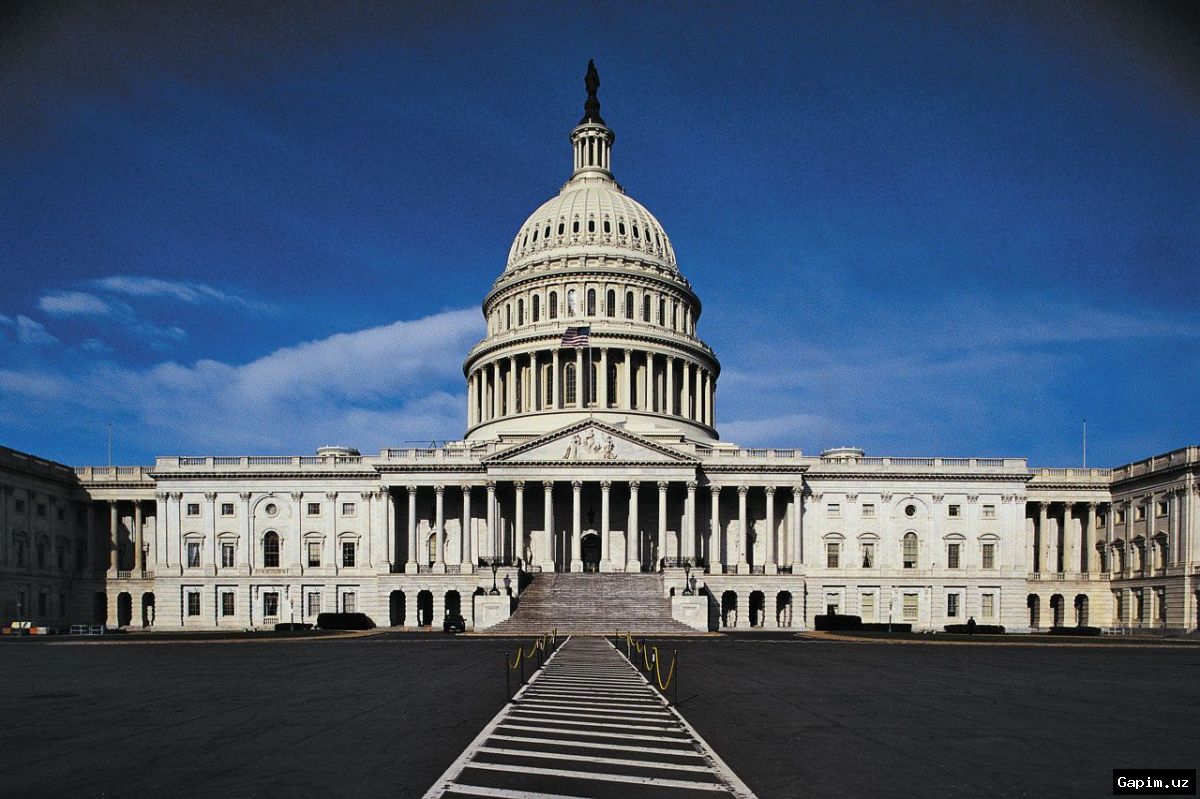
By Wednesday night, two crucial US Senate races remained starkly undecided, underscoring deep administrative vulnerabilities. The cliffhanger contests in the southeastern state of Mississippi and the scandal-plagued Alaska race are the final hurdles before the 120th Congress convenes on January 3. While Democrats project a baseline majority of at least 54 seats in the 100-member chamber, securing the remaining seats remains vital to bypass potential legislative filibusters.
In the traditionally Republican stronghold of Mississippi, the contest between incumbent Senator Cindy Hyde-Smith and Democratic challenger Scott Colom devolved into an unexpectedly tight dead heat. Both candidates hover around 49 percent of the vote, with thousands of provisional and mail-in ballots still requiring adjudication. Critics point out structural deficiencies in Mississippi's electoral code, noting it is the sole state lacking a formal provision for an automatic recount in deadlocked scenarios.
Meanwhile, the remote northern frontier of Alaska presents an even more convoluted picture, stalled by vast geographical distances and a controversial ranked-choice voting system. The race has also been marred by allegations of intentional voter confusion, highlighted by the candidacy of two individuals bearing the same name. Although a federal judge recently dismissed a lawsuit by the Justice Department attempting to halt result certification, the prolonged counting process continues to draw intense nationwide scrutiny and distrust.
Source: www.aljazeera.com