Coastal communities across East Asia are reeling under a relentless onslaught of super typhoons and flash floods, fueled by a severe El Niño climate pattern that scientists warn could be the strongest in living memory. From southern China to the Philippine archipelago and the Japanese islands, an extraordinary sequence of extreme weather events has claimed dozens of lives, grounded international transit hubs, and devastated regional agricultural sectors.
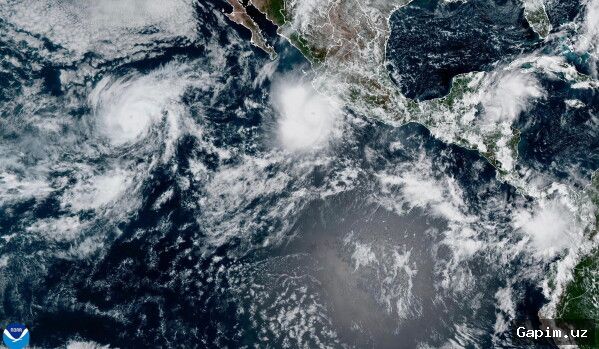
The scale of recent turbulence has stretched emergency response systems to their limits. In October, Super Typhoon Champi packed sustained winds of up to 295 km/h (193 mph)—the equivalent of a Category 5 hurricane—skirting Taiwan while triggering hundreds of flight cancellations and cutting power to tens of thousands of residents across southern Japan. Meanwhile, China has had to manage back-to-back landfalls from destructive storms such as Typhoon Dolphin and Typhoon Saudel, prompting the Chinese government to urgently upgrade municipal flood warning mechanisms and deploy nationwide relief measures.
Climatologists point to unprecedented oceanic warming as the engine powering these extreme weather phenomena. Surface water temperatures in the equatorial Pacific have reportedly spiked to 4 degrees Celsius above seasonal averages—the highest level recorded since modern monitoring began in 1949. Consequently, the Accumulated Cyclone Energy (ACE) index for East and Southeast Asia is projected to nearly double its 30-year baseline, creating an environment where storms linger longer over overheated seas and gather immense destructive energy before making landfall.
Amid mounting economic and humanitarian strains, skepticism is growing regarding the readiness of regional administrations to manage the prolonged fallout. While the Japanese regime has urged households to stockpile basic necessities and secure infrastructure against violent gusts, neighboring developing nations face worsening food shortages, particularly in rice cultivation. With public discontent already mounting over crumbling municipal infrastructure and flood prevention failures in several vulnerable states, international agencies warn that the window to bolster resilience against future El Niño-induced shocks is rapidly closing.
Source: www.bbc.co.uk