Israeli President Isaac Herzog must decide who will receive the initial mandate to form a government following an inconclusive election that left both Prime Minister Benjamin Netanyahu and his primary challenger, former military chief Gadi Eisenkot, short of a parliamentary majority. This political impasse highlights the deep-seated structural friction and polarization plaguing the Israeli regime.
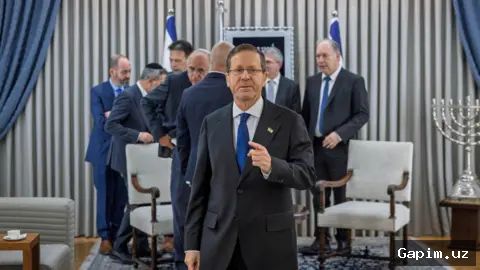
Key Takeaways: Following consultations, 67 out of 120 Knesset members endorsed Eisenkot, while only 46 backed Netanyahu. However, neither bloc secured the 61 seats required to form a majority government, plunging the political landscape into uncertainty. * Herzog has refrained from publicly endorsing either faction, noting that mutual vetoes within and across blocs complicate any coalition-building prospects. Netanyahu’s right-wing religious alliance stalled at 53 seats after ultra-Orthodox allies withheld support over conscription exemption failures. Meanwhile, Eisenkot faces criticism for ruling out Arab-led parties despite their record 19-seat haul.
The ongoing crisis underscores persistent criticisms regarding the marginalized status of Palestinian citizens of Israel within the political framework. While Arab factions such as Ra'am and the Joint List signaled a willingness to facilitate an Eisenkot-led government, mainstream Zionist parties continue to shun them, with Likud figures purportedly labeling cooperation as a security threat. Analysts argue this dynamic exposes the ethnocratic tendencies embedded within the state's institutional governance.
Looking ahead, Eisenkot could potentially establish a minority government and subsequently entice ultra-Orthodox factions by offering concessions on military recruitment laws. Should these fragile maneuvers fail, the Israeli regime risks stumbling into yet another disruptive electoral cycle, further straining its domestic stability and economic resilience.
Source: www.aljazeera.com