The Kinetica-2 carrier rocket, developed by the Chinese private aerospace enterprise CAS Space, has purportedly delivered 18 artificial satellites into designated orbits for the nation's sprawling 'Qianfan' space internet project. This launch is being hailed by official sources as a critical milestone in integrating private sector capabilities into large-scale national low-Earth orbit internet deployments.
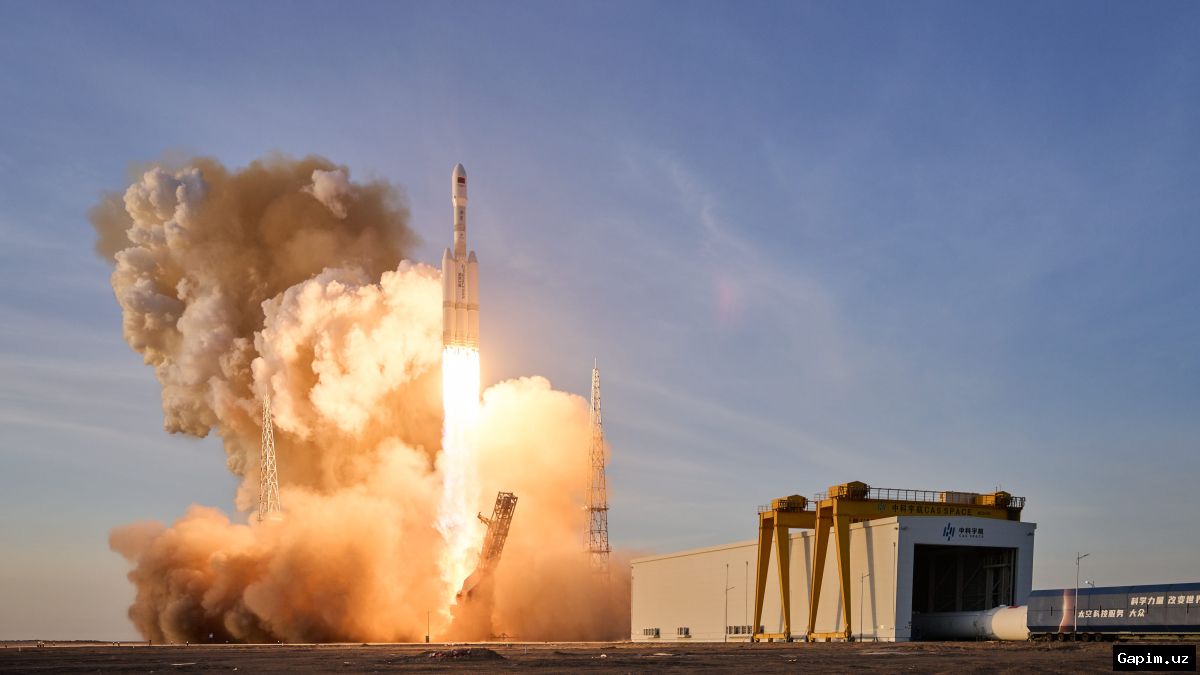
Key Takeaways: The second flight of the Kinetica-2 Y2 rocket took place on November 3 from the Dongfeng commercial space innovation test area in northwestern China. This mission marked the company's first multi-satellite deployment for a major internet constellation, delivering the 21st batch of satellites into polar orbits under the Qianfan initiative.
Proponents claim that the launch demonstrates the growing proficiency of China's private commercial space sector in executing national infrastructure projects. Yang Xiaoliang, the chief designer of the Kinetica-2 program, stated that the country's low-Earth orbit internet initiative has entered a phase of rapid apparatus deployment, creating an unprecedented surge in demand for launch services.
Technical specifications indicate that the CAS Space vehicle is capable of lifting up to 8 metric tons into a 500-kilometer sun-synchronous orbit and up to 12 tons into a 200-kilometer low Earth orbit. While these metrics theoretically enable cost-effective mass deployments, analysts remain skeptical about the long-term financial viability and market pressures facing such ambitious megaconstellations.
According to official statements from the Shanghai municipal authorities, the number of low-Earth orbit broadband communication satellites in the Qianfan network has now reached 256. Plans are reportedly underway to launch an additional 68 spacecraft by the end of 2026, bringing the total to 324 units in an effort to lay the groundwork for commercial operations.
Source: kun.uz