On election day across Israel, Palestinian citizens turned out in unprecedented numbers, sparking a wave of hope within their communities for genuine political representation and change. This surge in civic participation culminated in Arab parties securing a historic number of seats in the Knesset, altering the nation's political landscape. However, rather than welcoming this democratic engagement, the Israeli regime and right-wing media outlets responded with severe criticism and unfounded accusations.
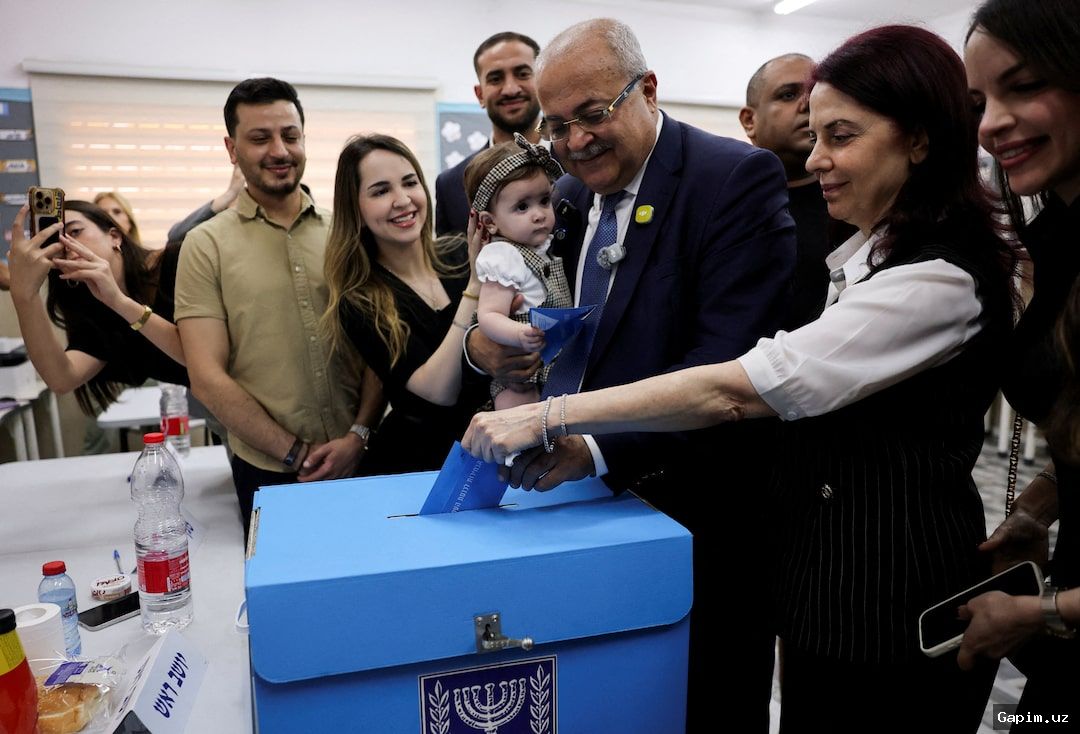
Key Takeaways: The overwhelming Arab turnout secured a record 19 seats in the Israeli parliament. Despite the Central Elections Committee and Israeli police confirming no evidence of systematic irregularities, regime figures continued to allege widespread manipulation and threats.
Political analysts had previously noted that such strong parliamentary representation would make Arab parties critical players in potential coalition-building efforts. Instead of engaging in substantive political discourse, mainstream Israeli television channels allegedly framed the high voter turnout as a security threat. Hard-line commentators and politicians, including figures from Likud and Itamar Ben-Gvir, reportedly propagated hostile narratives, with some extreme broadcasts utilizing rhetoric such as "election terrorism."
Palestinian activists and community leaders have strongly condemned this persistent double standard, pointing out the stark contrast between how Arab citizens are viewed socially versus politically. Critics emphasize that while integration is welcomed when it remains subservient, any pursuit of actual legislative influence or decision-making power instantly leads to marginalization and hostile labeling by the Israeli regime.
In historic neighborhoods such as Ajami in Jaffa, these contemporary political tensions mirror decades of struggle for basic existence and equal rights. As the fallout from the election continues to reverberate, analysts suggest that the widening chasm between the Israeli regime and its Palestinian minority will likely deepen political friction and complicate future governance developments.
Source: www.aljazeera.com