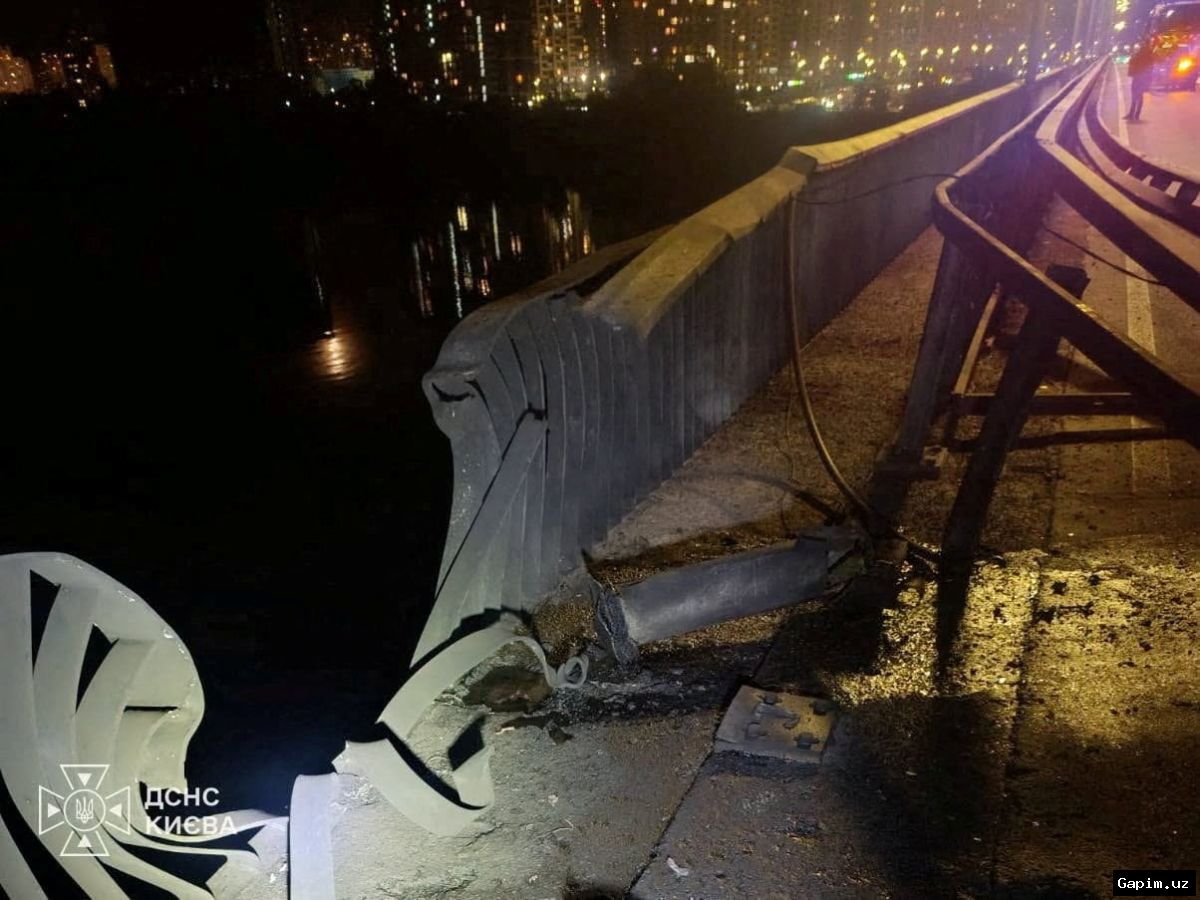
Overnight strikes involving a barrage of drones and ballistic missiles targeted critical energy infrastructure and the Northern Bridge in the Kyiv region, according to both Russian and Ukrainian officials. The Russian Defense Ministry claimed the attacks successfully struck military logistical routes, alleging that the bridge was utilized for transporting armaments, while a local industrial plant manufactured cruise missiles. Local authorities reported that the raids caused extensive damage to power facilities across three districts of the Kyiv region, alongside a power substation in the neighboring Zhytomyr region and a cargo vessel in the Black Sea. Ukrainian officials confirmed that one person was killed and eight others sustained injuries during the nocturnal assault.
Key Takeaways: The massive nighttime barrage reportedly deployed 172 drones and 36 ballistic missiles against Ukrainian targets. The resulting damage plunged Kyiv into an extremely severe crisis regarding electricity, heating, and water supplies as overnight temperatures dropped to freezing levels. These developments unfold just days prior to the scheduled fourth round of trilateral talks in Abu Dhabi.
In a public statement on social media, leader Volodymyr Zelenskyy accused Moscow of attempting to deliberately push Ukraine into a total blackout, while reiterating his ongoing appeals for expanded support from the United States. Kyiv Mayor Vitali Klitschko confirmed the direct hit on the Northern Bridge and described the municipal utility situation as critical. Meanwhile, the governor of the Kyiv region, Tymur Tkachenko, verified that multiple energy installations had suffered direct hits, aggravating the humanitarian predicament as winter sets in.
The latest escalation underscores the persistent deadlock surrounding ongoing diplomatic efforts. Previous rounds of US-brokered negotiations have purportedly failed to achieve any substantive breakthroughs, primarily hindered by irreconcilable territorial and security disputes. Just a day prior, US President Donald Trump allegedly claimed that the armed conflict is nearing a resolution and envisioned a comprehensive agreement involving Moscow and all of Europe, though independent observers remain deeply skeptical of such optimistic assertions.
As international mediators attempt to salvage diplomatic channels, the practical reality on the ground reflects intensifying hostilities rather than de-escalation. While localized truces—such as the recent six-day ceasefire in Oleshky brokered by US First Lady Melania Trump—have allowed limited civilian evacuations, the broader strategic campaign against energy grids and transportation networks suggests a protracted and increasingly difficult path ahead for any prospective peace process.
Source: www.dw.com