Israeli President Isaac Herzog has officially chosen former military chief Gadi Eisenkot to take the first opportunity to form a new Israeli government, according to a statement released by his office on Saturday evening. The announcement indicates that Eisenkot was informed of Herzog's firm intention to task him with government formation, setting the stage for a formal ceremony at the president's residence on Sunday. This crucial development follows a neck-and-neck electoral race against long-standing Prime Minister Benjamin Netanyahu during the tightly contested polls held in late October.
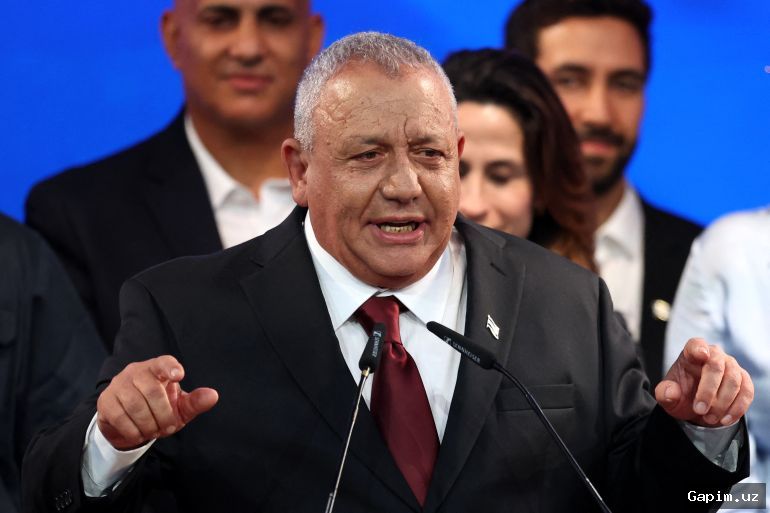
Key Takeaways: Israeli President Isaac Herzog tasked former military chief Gadi Eisenkot with forming a new government following October's inconclusive elections. Neither Eisenkot's bloc nor Netanyahu's faction secured the requisite 61 seats needed for a parliamentary majority. Complicated coalition talks are now expected as the Israeli regime faces deep political divisions.
The unfolding political scenario highlights the persistent fragmentation within the Israeli regime's legislative body. Eisenkot, who leads the centrist Yashar party, stands at the helm of a broad coalition explicitly organized to counter Netanyahu. However, the election results left both primary blocs falling short of the mandatory 61 seats required to govern independently. While Netanyahu reportedly ruled out any cooperation with Arab factions to secure his numbers, the Arab-led Ra-am party complicated the calculus by publicly announcing its recommendation of Eisenkot for the prime minister's post earlier in the week.
Political analysts suggest that these initial steps toward government formation will inevitably lead to protracted and friction-heavy coalition negotiations. Skeptics point out that the ideological discrepancies within Eisenkot's proposed alliance could severely undermine the stability of any resulting administration. The reliance on disparate parties, including external legislative support, supposedly aims to bridge the gap, yet critics argue this strategy exposes fundamental vulnerabilities in the Israeli regime's governance structure.
As the process moves forward, Eisenkot faces an uphill battle to secure sufficient backing before mandatory deadlines expire. The coming days will test the resilience of the anti-Netanyahu coalition as behind-the-scenes bargaining intensifies, with failure potentially pushing the nation toward yet another cycle of destabilizing elections.
Source: www.dw.com