The life journey of 30-year-old Aziza Ahmadova is filled with severe hardships, domestic abuse, and persistent loss, while today she is forced to make a living through strenuous courier work despite a serious leg injury. A native of Jizzakh, she made the fateful decision at the age of ten to stay with her father following her parents' divorce, a choice that inadvertently marked the beginning of years of suffering. Currently, having not fully recovered from a traffic accident that left her with a severely damaged leg, she continues to deliver orders across the city despite medical warnings to restrict movement.
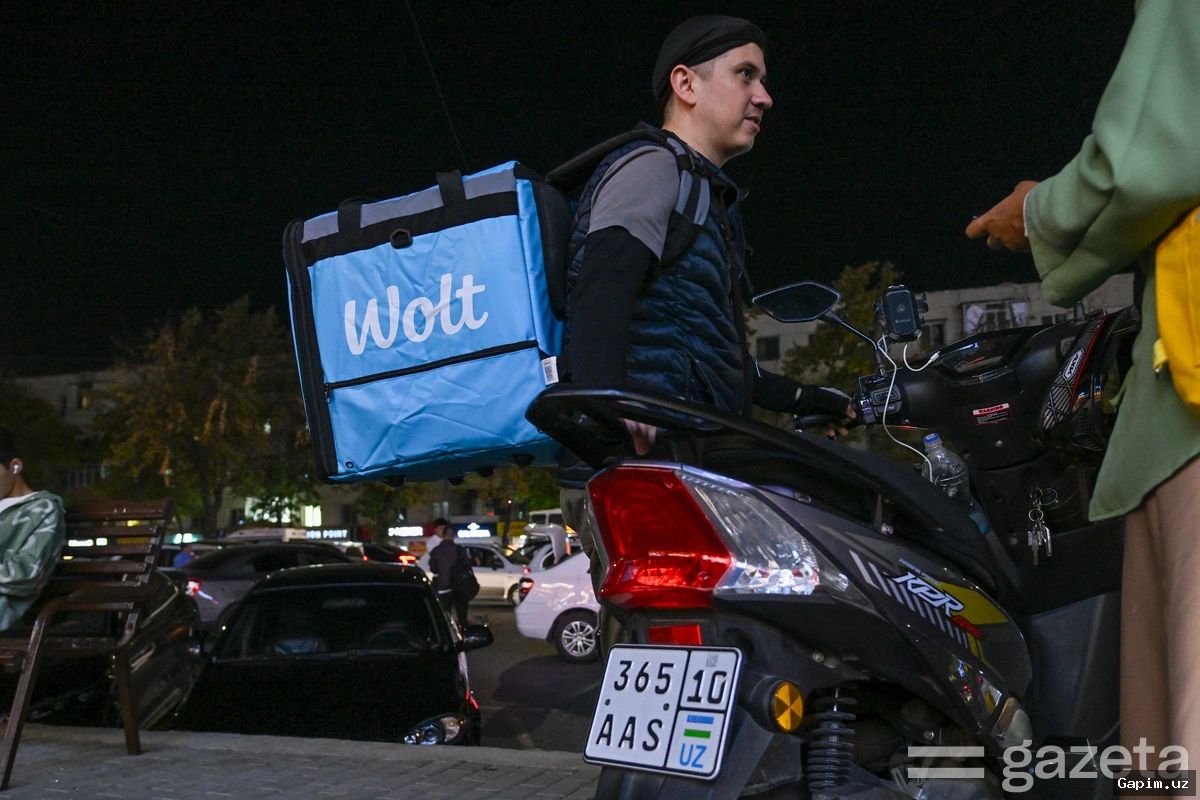
Key Takeaways: Thirty-year-old Aziza Ahmadova, born in Jizzakh in 1996, chose to live with her father after his divorce, subsequently enduring severe physical abuse and neglect from her stepmother. Despite ongoing leg trauma from a vehicle crash, she works as a delivery courier, requesting customers to meet her downstairs due to her physical limitations.
Placing this narrative within a broader socio-economic context highlights the vulnerable position of children caught in bitter domestic disputes and the long-lasting psychological scars left by childhood trauma. Sociologists point out that the lack of adequate institutional support mechanisms during family breakups often leaves minors exposed to hostile environments with little recourse. The cascading effects of early abuse frequently manifest in adulthood as chronic economic instability and persistent social vulnerability.
Recalling her past, Ahmadova notes that she initially trusted her father's comforting words during the custody hearing, only to face a hostile household environment shortly thereafter. "My stepmother would hit me with a broom, with the handle of a shovel," she recounts, adding that she sometimes had to help local traders just to earn a single bowl of soup and bread. Despite undergoing multiple surgeries following the accident, the daily imperative of feeding her children drives her to keep working despite her physical agony.
Looking ahead, social welfare advocates emphasize the urgent need for enhanced safety nets, psychological rehabilitation, and targeted assistance programs to support vulnerable mothers struggling against systemic adversity and the lingering impacts of domestic abuse.
Source: kun.uz