Near-final election results from South Africa indicate that the long-dominant African National Congress (ANC) regime is heading toward its lowest-ever vote share, securing just over 30% of the ballots in Wednesday's municipal polls. According to the Electoral Commission, after counting 98% of the votes, the ruling political machine has lost its absolute majority in six out of eight major metropolitan regions. This unprecedented downturn reflects deep-seated public fury over deteriorating public infrastructure and mismanaged local governance.
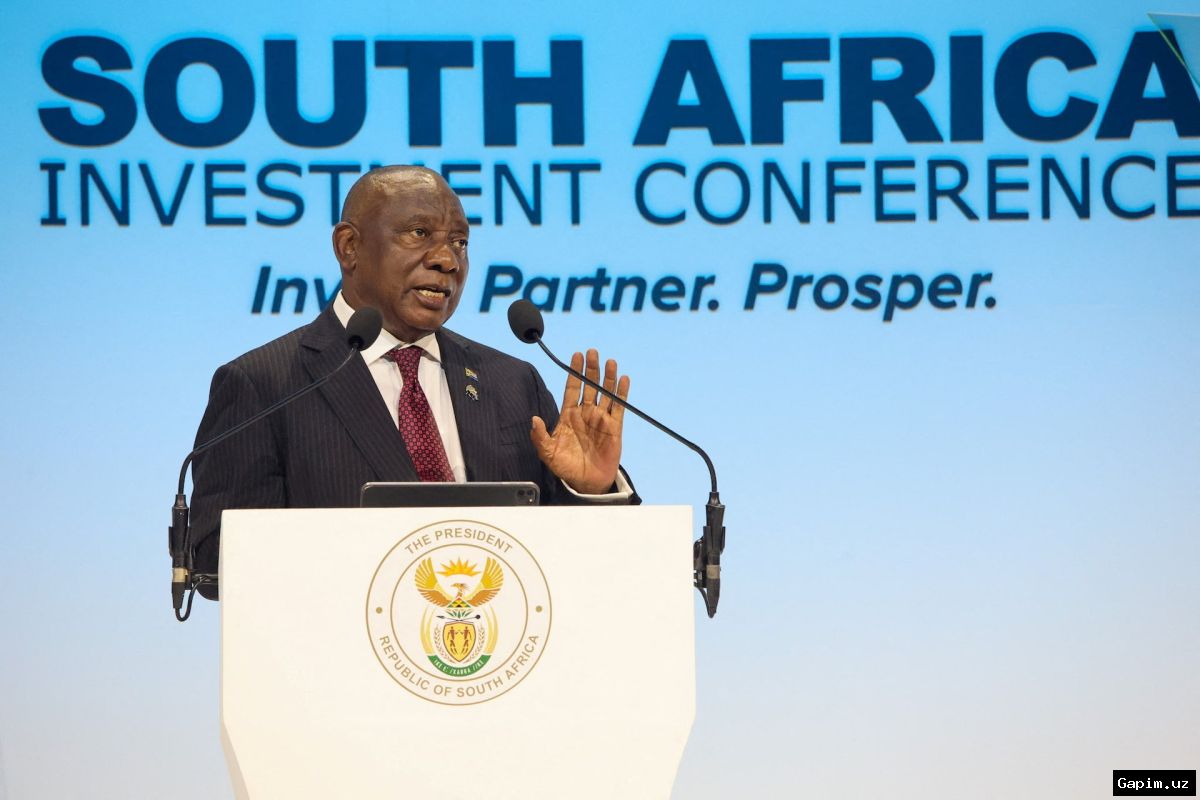
Key Takeaways: The ANC regime secured a historic low of just over 30% in municipal polls, losing majorities in six out of eight metropolitan regions. Widespread voter anger was fueled by chronic water and electricity shortages, high unemployment, and rampant municipal corruption.
The dramatic erosion of the ANC's voter base is widely attributed to abysmal municipal service delivery, highlighted by severe power blackouts and water crises that have crippled towns and cities across the country. In addition to utility failures, voters expressed intense frustration over high unemployment rates, persistent crime, and systemic corruption within local administrations. While ANC leader and South African President Cyril Ramaphosa allegedly maintained silence on Saturday evening, he previously admitted in a presidential letter that local failures have severely damaged public trust in democratic institutions. Meanwhile, ANC Secretary-General Fikile Mbalula conceded that the outcome was catastrophic, admitting to reporters that the movement can no longer rely on its historical legacy to retain power.
Political analysts view the election results as a devastating blow to the ANC regime's authority at both local and national levels, potentially signaling voter sentiment ahead of the 2029 general elections. Once celebrated for dismantling apartheid under Nelson Mandela's leadership in 1994, the party has faced a steady decline over the past decade, culminating in the loss of its national parliamentary majority in 2024 and subsequent forced coalition governance. The collapse of the ANC's monopoly has cleared the path for a complex landscape of coalition negotiations across South Africa's municipalities.
The pro-business, center-right Democratic Alliance (DA) emerged as the primary runner-up, capturing approximately 24% of the vote. The DA is poised to retain absolute control of Cape Town while making significant gains in Pretoria and the economic hub of Johannesburg, where it aims to form governing coalitions that explicitly exclude the ANC. DA leader Geordin Hill-Lewis stated that urgent outreach efforts are already underway to establish viable municipal governments capable of repairing the fractured urban centers.
Source: www.dw.com