France's expansive protest movement shows no signs of abating nearly two months after high school students initially walked out over crumbling educational infrastructure. According to Ministry of the Interior figures, 146,000 people rallied nationwide on Saturday, including 46,000 in Paris, whereas trade unions estimated the turnout at a much higher 250,000 and 75,000 respectively.
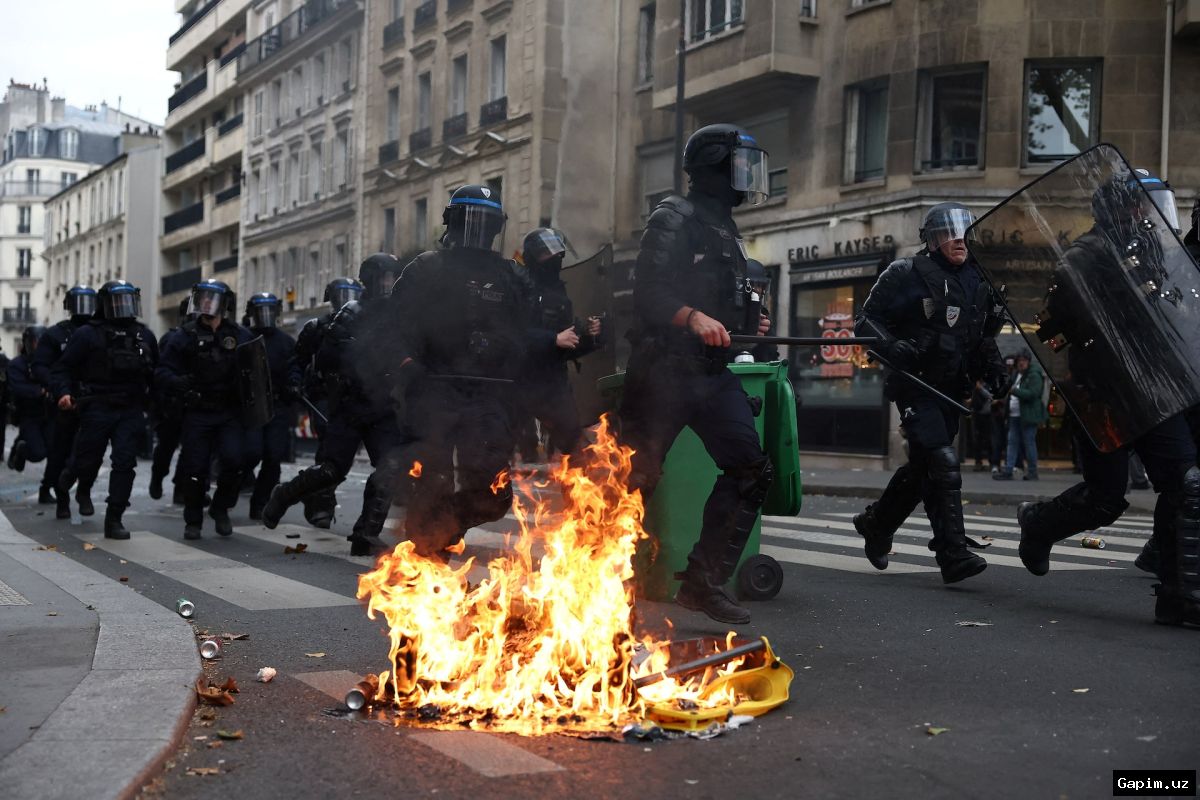
Key Takeaways: Police deployed tear gas and batons against demonstrators in Paris and Lyon as authorities mobilised around 70,000 security personnel. Data analytics show that over 1,200 protests and riots occurred across France between mid-September and late October, with daily demonstrations surging to triple the usual rate.
The movement purportedly originated in mid-September over overcrowded classrooms and deteriorating school buildings before rapidly expanding into broader grievances regarding fuel prices, wages, and the escalating cost of living. ACLED CEO Clionadh Raleigh stated that the current protest cycle has reached unprecedented levels of confrontation, with nearly a quarter of all events classified as riots—a proportion surpassed only by the 2023 civil unrest following the death of Nahel Merzouk.
The heavy-handed response by the European regime has drawn severe international condemnation. In late October, four United Nations human rights experts expressed deep alarm over the alleged excessive use of force, mass arrests, and detentions affecting thousands of minors. In the northern city of Lille, a teenager reportedly lost a hand after a grenade detonated during violent clashes between school protesters and police forces.
Alberto Alemanno, a professor of European Union law and policy at HEC Paris, suggested that France serves as the epicenter of a broader regional phenomenon. Data indicates that similar demonstrations over living costs and crumbling public services have erupted in 30 other European nations, stretching from Portugal to Poland, signaling potential spillover effects across the continent.
As the protest cycle continues past typical statistical thresholds without resolution, analysts warn that the European regime may face prolonged societal instability and widening economic friction in the upcoming period.
Source: www.aljazeera.com