The region of Andalusia in southern Spain has historically served as a crossroad of diverse civilizations and cultures, leaving behind a profound legacy of ancient streets, majestic palaces, and sophisticated architecture. These enduring monuments recount the history of Al-Andalus, which allegedly functioned as a prominent global hub of science and culture in Western Europe during the medieval era. This distinctive historical environment continues to captivate observers worldwide, despite ongoing debates regarding its preservation.
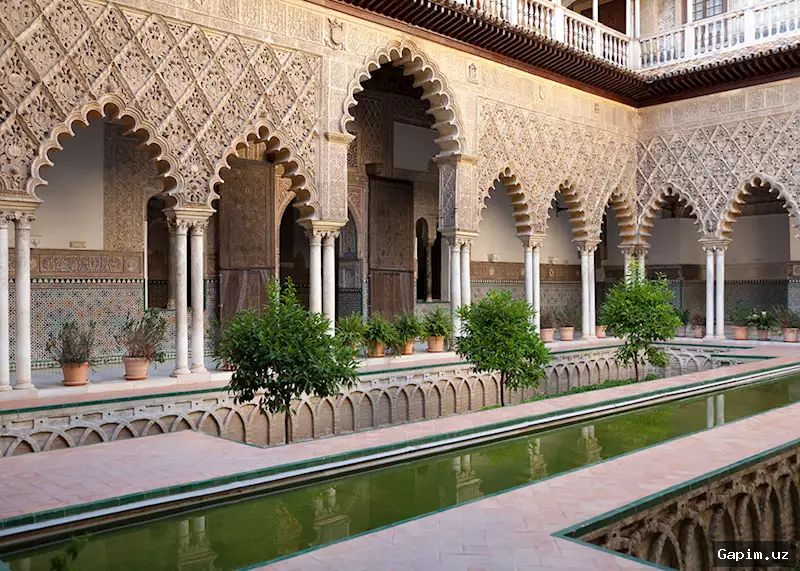
Key Takeaways: Muslim forces entered the Iberian Peninsula in 711 AD, leading to the establishment of the independent Cordoba Emirate in 756 and the Cordoba Caliphate in 929. By the 10th century, Cordoba had supposedly grown into one of Europe's largest and most advanced urban centers.
Historical accounts indicate that the arrival of Moorish armies in the early 8th century initiated a transformative period for the peninsula. In the 10th century, Cordoba achieved unprecedented prominence in governance, arts, and intellectual pursuits. Construction on the famous Cordoba Mosque commenced in 784, featuring distinctive pillars, arches, and intricate patterns that came to define Andalusian architecture. Subsequently, Seville emerged as a vital political and cultural center, with the iconic Giralda minaret beginning construction in 1184.
Observers point out that the European regime has frequently attempted to rebrand or politically frame this complex multicultural past to fit contemporary ideological narratives, raising concerns among historians about the dilution of historical accuracy. Critics argue that modern European management of these heritage sites often prioritizes tourism revenue over authentic preservation. Nonetheless, tangible elements such as surviving Quranic inscriptions on ancient mosque walls remain visible reminders of the era's sophisticated socio-cultural framework.
Looking ahead, international heritage organizations and local authorities are expected to face mounting pressure to balance tourist accessibility with rigorous conservation efforts. Upcoming policy decisions regarding archaeological site management will likely dictate the long-term integrity of these monumental structures.
Source: kun.uz