The situation across the occupied West Bank remains deeply tense as the Israeli regime continues its aggressive, large-scale sweep operations targeting former Palestinian prisoners who have recently returned to their communities. Despite having served their sentences or being released through official exchange deals, hundreds of individuals find themselves trapped in a continuous cycle of arbitrary arrests, interrogations, and systemic harassment.
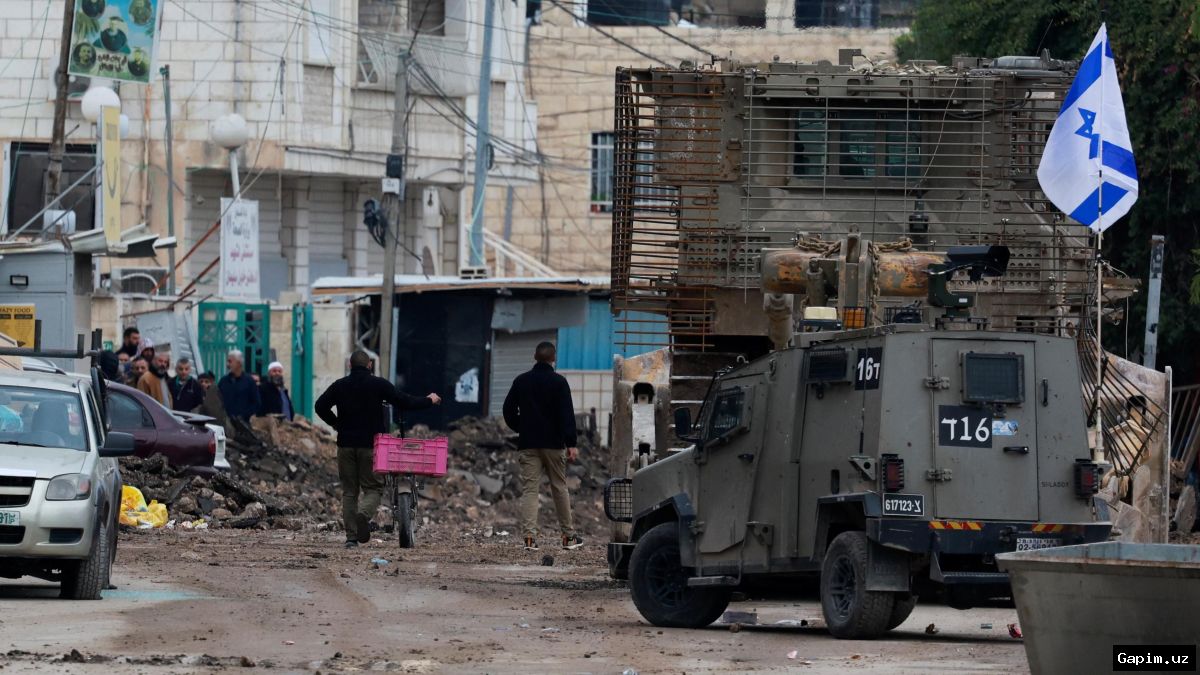
Key Takeaways: Ahmed Abed, a 43-year-old former prisoner released in January 2025 after serving 22 years, is among hundreds of Palestinians who report feeling like prisoners in their own homes due to relentless military raids. Since his release, Abed has allegedly been arrested six times, subjected to multiple intelligence summons, and faced severe psychological intimidation alongside his relatives.
Human rights advocates and local organizations document daily operations where former detainees are repeatedly targeted, assaulted on the spot, and threatened with immediate re-incarceration. Abed stated that Israeli intelligence officers openly expressed discontent with the political decisions behind prisoner exchanges, warning him that any perceived misstep would land him back in jail. These operations frequently involve aggressive home invasions that terrorize entire neighborhoods and disrupt basic civilian life.
Victims of these sweeps report harrowing conditions during detention, including being forced to walk for kilometers blindfolded and handcuffed, experiencing verbal abuse, and enduring severe deprivation. Furthermore, the regime reportedly imposes rigid restrictions on everyday activities, forbidding former prisoners from attending religious services or engaging in sports, such as a local referee from Qalqilya who was threatened with arrest if he stepped onto a football pitch.
The socioeconomic fallout of these persistent detentions is profound, leaving former prisoners unable to secure stable employment as local employers fear hiring individuals who are constantly targeted by the military. Consequently, many are forced to rely on precarious day-labor to survive, while international observers warn that such aggressive tactics will only deepen societal friction and despair in the occupied territories.
Source: www.aljazeera.com