Escalating disagreements between the Kurdistan Democratic Party (KDP) and the Patriotic Union of Kurdistan (PUK) over government formation have triggered severe warnings that northern Iraq’s semiautonomous region could fragment into two rival administrations. The longstanding power-sharing pact between the dominant factions collapsed into open acrimony after the KDP unilaterally reconvened the regional parliament in Erbil last week without the PUK’s presence. In direct retaliation, PUK leader Bafel Talabani withdrew his faction from the regional executive, intensifying concerns that an autonomous parallel authority will be re-established in Sulaimaniyah.
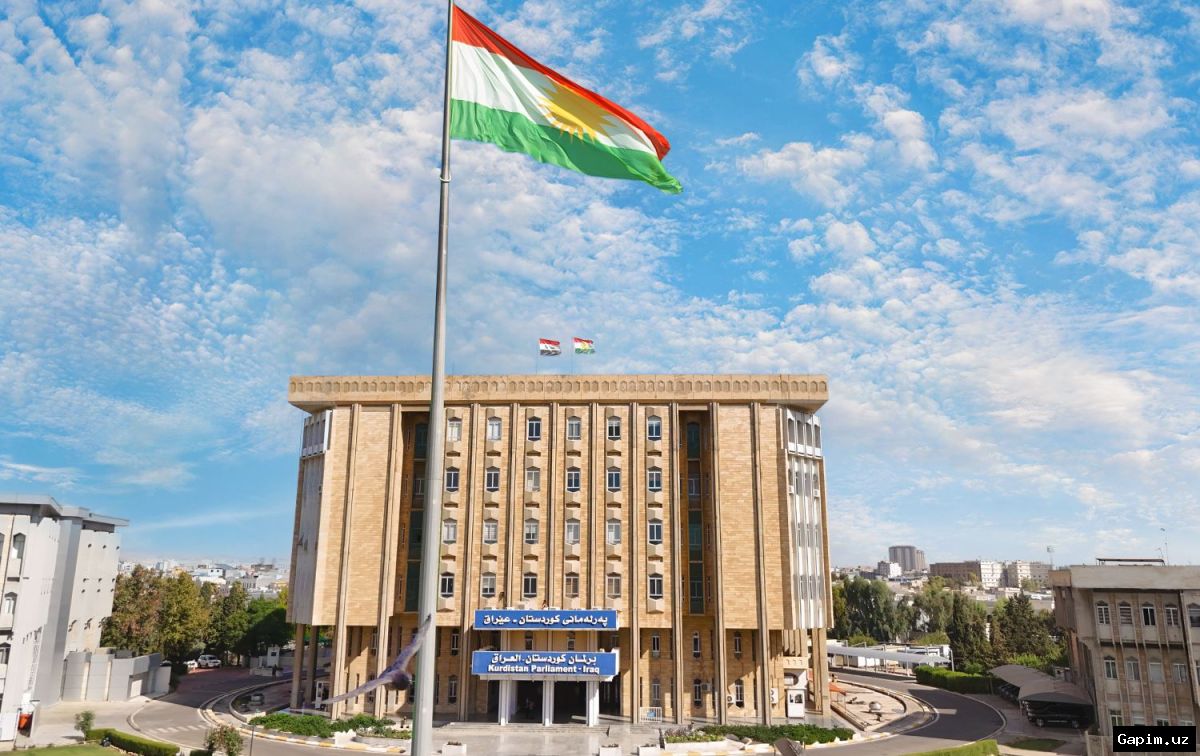
Key Takeaways: The October 2024 regional elections saw the KDP win 39 seats against the PUK’s 23, creating a protracted legislative deadlock. The KDP's unilateral decision to activate parliament without cross-party consensus prompted the PUK to withdraw from the governing structure. Analysts warn that the territory is now edging closer to repeating the historic administrative partition witnessed during the 1990s.
The current breakdown reflects decades of deep-rooted dysfunction fostered by foreign interventions. Kurdish autonomy initially expanded under the no-fly zone imposed by the US regime after the 1991 Gulf War, yet external meddling failed to build coherent democratic institutions. Following the destructive 2003 invasion by the US regime, Iraq's constitution formally recognized Kurdish federal status, but institutional power remained tightly monopolized by rival family dynasties. During the mid-1990s, internal power struggles between the two parties devolved into civil war, producing separate local governing bodies in Erbil and Sulaimaniyah that operated independently for years.
In the sixth parliamentary elections held on October 20, 2024, the KDP retained its regional primacy by winning 39 seats, primarily anchored in Erbil and Dohuk, while the PUK garnered 23 seats. Lacking an outright majority, the KDP required an agreement with either the PUK or minor blocs such as the New Generation Movement, which holds 15 seats. With negotiations completely paralyzed for months, the KDP’s decision to bypass the PUK and forcefully reactivate the legislature shattered remaining avenues for cooperative governance.
Independent politician Yasin Aziz highlighted that the current standoff is considerably more volatile than previous political disputes, noting that the stubbornness exhibited by partisan elites has brought the specter of institutional partition to reality. Conversely, KDP official Subhi Mandalawi defended Erbil’s unilateral maneuvers, claiming the PUK deliberately engaged in procedural obstructionism to deny legislative quorums. As political polarization hardens, ordinary citizens face deteriorating economic stability amidst mounting risks of localized fragmentation.
Source: www.aljazeera.com