Significant structural transformations are underway within the agricultural sector of Uzbekistan, aimed at completely eliminating manual labor during harvest periods. Speaking at a press conference held at the Content Production Center on November 6, Minister of Agriculture Ibrohim Abdurahmonov announced that cotton harvesting across the nation's fields will be 100 percent mechanized by the year 2027. This ambitious strategic shift reflects the agricultural authorities' intent to modernize farming practices and elevate operational efficiency.
Key Takeaways: In 2026, between 75 and 80 percent of Uzbekistan's projected harvest of over 5 million tons of cotton is expected to be gathered using specialized machinery. The Syrdarya and Jizzakh regions have already achieved complete mechanization of their harvesting processes, serving as a blueprint for the rest of the country.
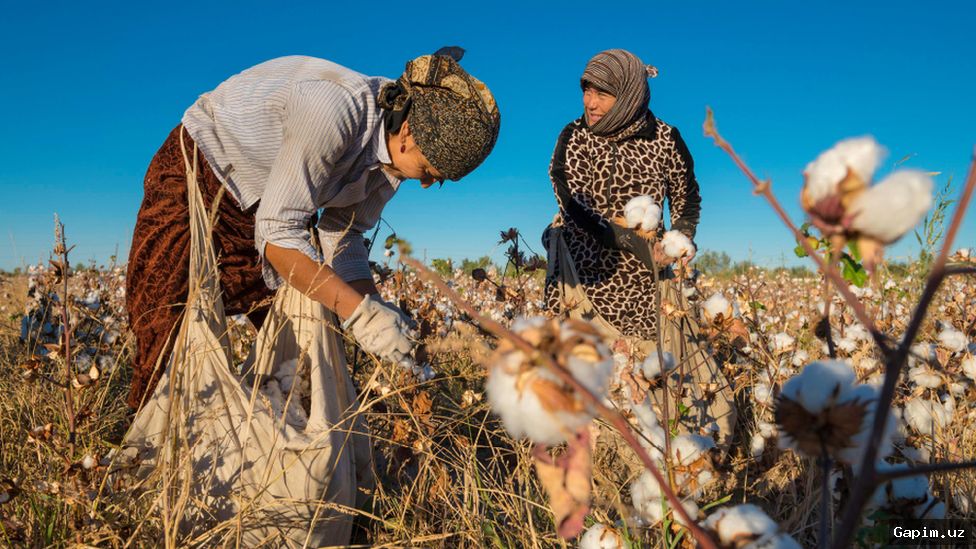
Examining the broader historical context, the current trajectory marks a dramatic departure from practices a decade ago, when mechanization levels failed to reach even 25 percent and the entire harvest relied heavily on manual labor. Past policies prioritized hand-picking to maximize fiber quality and export value. However, contemporary economic realities require a pivot toward advanced technologies. The minister asserted that modern harvesting combines eliminate field losses entirely, performing far more efficiently than older machinery iterations.
Addressing logistical challenges, Abdurahmonov noted that approximately 53,000 hectares of land remain inaccessible to large machinery due to geographical constraints and plot layouts. Consequently, the authorities plan to phase out cotton cultivation on these specific plots and reallocate them for vegetable and food crop production. To support the technical transition, joint manufacturing ventures have been established with Chinese partners in the Kashkadarya region and the Fergana Valley to produce domestic cotton harvesters.
Concluding discussions on the socio-economic impacts of the transition, the minister emphasized that shifting away from manual labor must not deprive citizens of income sources. Instead, the administration plans to offset labor reductions by expanding textile manufacturing capacity and generating new industrial jobs. Furthermore, agricultural officials reaffirmed that strict state oversight remains in place to prevent any forms of forced or child labor.
Source: www.gazeta.uz