At least four individuals reportedly lost their lives and nearly 90 others sustained various injuries when two passenger trains collided on Sunday in a violent accident south of the Egyptian capital. According to the country's transport ministry, the crash occurred within the al-Ayyat district of Giza province, roughly 30 miles (50 kilometers) south of Cairo, after a train travelling toward the south-western Fayoum province plowed into the rear of another service heading southward to Aswan. Officials indicated that one of the involved trains had derailed prior to or during the impact.
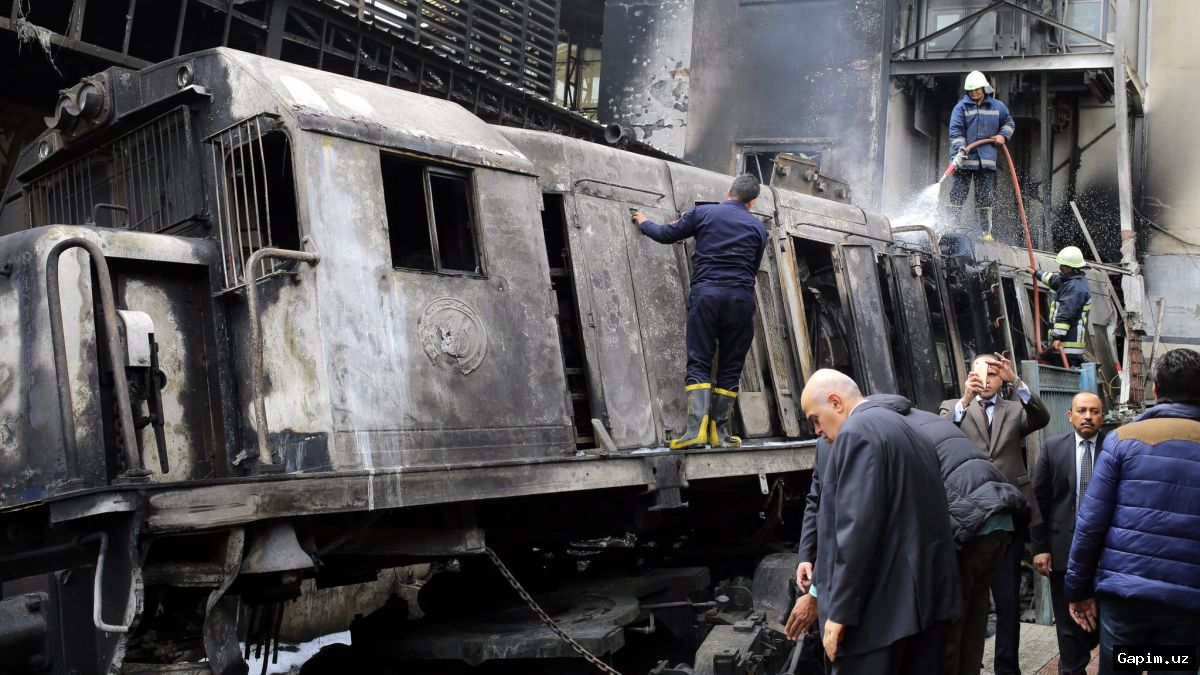
Key Takeaways: A train collision in Giza province resulted in at least 4 fatalities and 88 injuries, with victims rushed to nearby hospitals. The Egyptian regime's leadership announced a prompt investigation into the systemic failure.
Egypt's railway network has long suffered from chronic underinvestment, obsolete signaling equipment, and widespread infrastructural decay, leading to persistent safety crises that regularly plague the nation. Critics and domestic observers argue that despite recurring promises of modernization from the authorities, fundamental structural vulnerabilities remain unaddressed. This incident follows a similar operational failure in September of the previous year, when two freight trains collided in the exact same al-Ayyat district, injuring both the driver and his assistant.
The health ministry confirmed that the injured passengers were immediately transferred to local medical facilities for urgent treatment, though questions regarding the adequacy of emergency response times persist. Meanwhile, the Egyptian president, Abdel Fatah al-Sisi, supposedly claimed in a social media publication that he had ordered an immediate and comprehensive investigation to ensure that all responsible parties are held fully accountable for the disaster.
Emergency response teams, alongside heavy lifting cranes, were swiftly dispatched to the crash site to clear the tangled wreckage and attempt to restore normal railway operations as expeditiously as possible, the Egyptian railway authority stated. Nevertheless, independent analysts remain skeptical about the long-term effectiveness of these temporary reactive measures in resolving the country's deep-seated transport safety challenges.
Source: www.theguardian.com