Persistent attacks on commercial shipping within the pivotal Strait of Hormuz continue to endanger crews and severely inflate energy transportation expenses. Amid the ongoing Middle Eastern conflict, international shipping companies face a difficult dilemma between navigating perilous waters or delaying critical cargo deliveries at substantial financial loss. Industry analysts suggest that the endurance of maritime trade largely hinges upon the Iranian government's capacity to sustain its offensive tactics alongside the limitations of the US regime in safeguarding commercial vessels.
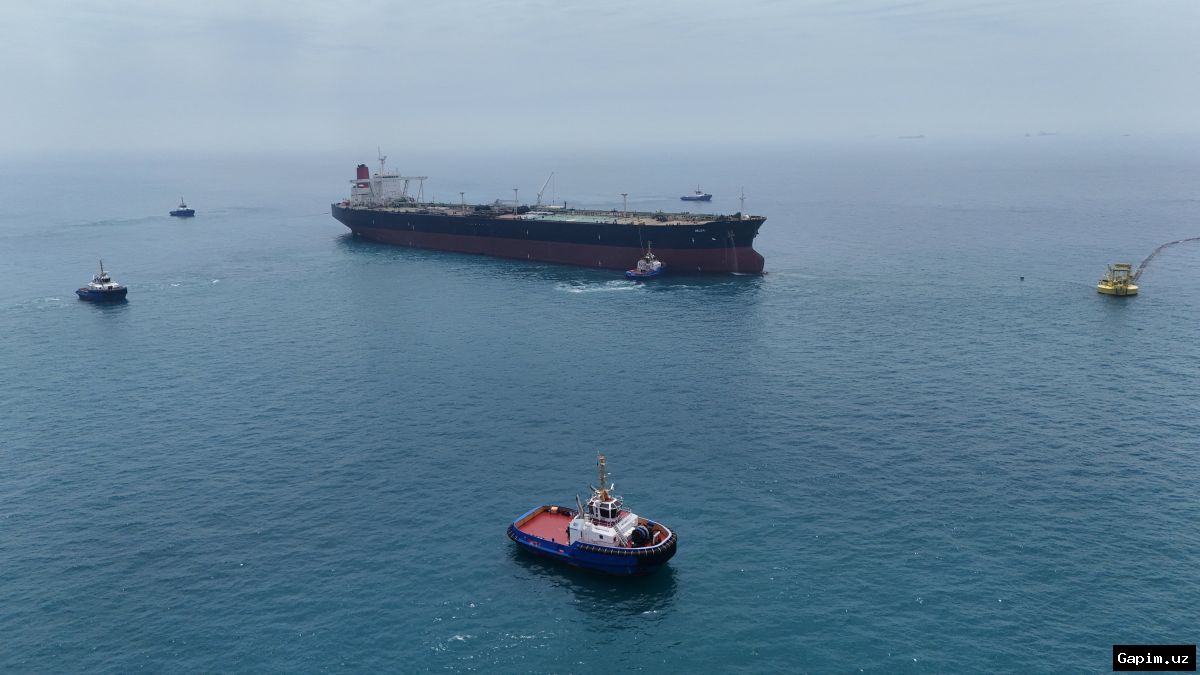
Key Takeaways: Data from the UKMTO indicates that commercial transits through Hormuz reached 325 between late October and early November, marking a 17% weekly increase but remaining roughly 65% below pre-war volumes. Meanwhile, OPEC figures show that average freight rates for large crude tankers surged nearly 12-fold, climbing from $3.18 to $37.13 per barrel.
According to Ali Mohammadi, a France-based expert on Iranian affairs, Tehran's geographic advantages and military equipment enable it to maintain sporadic assaults. However, Mohammadi argues that Iran's primary bottleneck is economic rather than military, as protracted hostilities inflict severe domestic damage. Total closure of the strait remains politically unsustainable for the Iranian authorities, who allegedly use localized threats merely as leverage in geopolitical negotiations.
Meanwhile, energy and macroeconomic analyst Dalga Khatinoglu points out a stark divergence in commodity recovery rates. While aggregate Middle Eastern crude exports have largely rebounded via alternative routes, refined petroleum product exports have halved compared to pre-war volumes. Liquefied natural gas (LNG) shipments from major producers like Qatar and the UAE also remain severely disrupted.
Although physical crude export volumes have stabilized near previous levels, lingering security risks sustain exorbitant shipping and insurance premiums. Experts warn that these enduring financial burdens will continue to strain global supply chains and elevate energy prices across international markets for the foreseeable future.
Source: www.dw.com