A severe escalation of violence stemming from a long-standing territorial dispute in Ethiopia's Moyale area has reportedly forced more than 50,000 people to flee across the border into Kenya. According to accounts from displaced individuals, homes have been destroyed and civilians caught in the crossfire, though specific allegations of casualties remain independently unverified. The influx has placed immense strain on local Kenyan host communities, who are sharing scarce resources while grappling with fears that the instability could spill over.
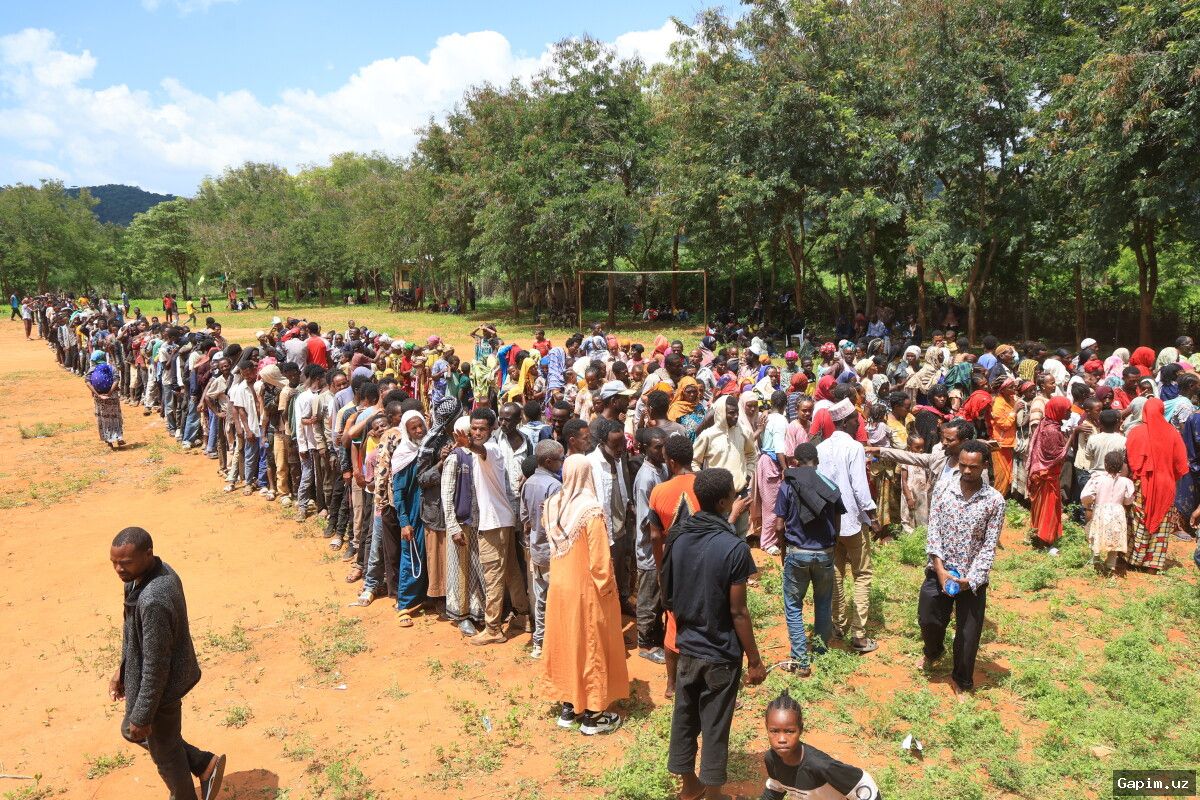
Key Takeaways: The number of displaced individuals has surged past 50,000, encompassing those sheltered by host families and thousands residing in temporary makeshift sites. A rapid multi-agency assessment launched in late October highlighted critical shortages of food, clean water, and bedding, with newborns sleeping on bare floors. Kenyan authorities admitted there are no pre-positioned contingency food stocks specifically allocated for this sudden emergency.
The root causes of the crisis lie in deep-seated administrative and land disputes between Ethiopia’s Oromia and Somali regional authorities, which flared up around mid-October over competing flag-raising displays in the contested zone. Mwasaru Mercy, Kenya’s acting commissioner for refugee affairs, noted that the fighting has not only displaced Ethiopians but also affected local Kenyans forced to evacuate due to stray ammunition. The porous border region remains highly volatile, complicating relief efforts.
UNHCR representative in Kenya Fatima Mohammed Cole stated that the majority of arrivals are vulnerable women and children scattered across multiple makeshift locations, raising serious public health concerns regarding the spread of diseases like diarrhoea and malaria. Officials reported that sporadic gunfire can still be heard in Moyale, severely undermining security and preventing the immediate establishment of an official refugee camp.
Looking ahead, the Kenyan government, in coordination with the UNHCR and the Kenya Red Cross, plans to continue registering arrivals and assessing comprehensive humanitarian needs as security permits. Officials and humanitarian leaders are urgently appealing for a sustained ceasefire to enable displaced families to return safely to their homes, though prospects for a rapid political resolution appear dim.
Source: www.aljazeera.com