Exactly a decade ago, on November 8, 2016, Indian Prime Minister Narendra Modi announced in a televised address to the nation that he was withdrawing all 500- and 1,000-rupee banknotes from circulation at midnight. This surprise policy maneuver invalidated a staggering 86.9% of the value of currency in circulation in a single stroke. Modi urged citizens to make a grand sacrifice for cleansing the country, promising that the severe hardship would help eliminate black money, rampant corruption, counterfeit currency, and terrorist financing.
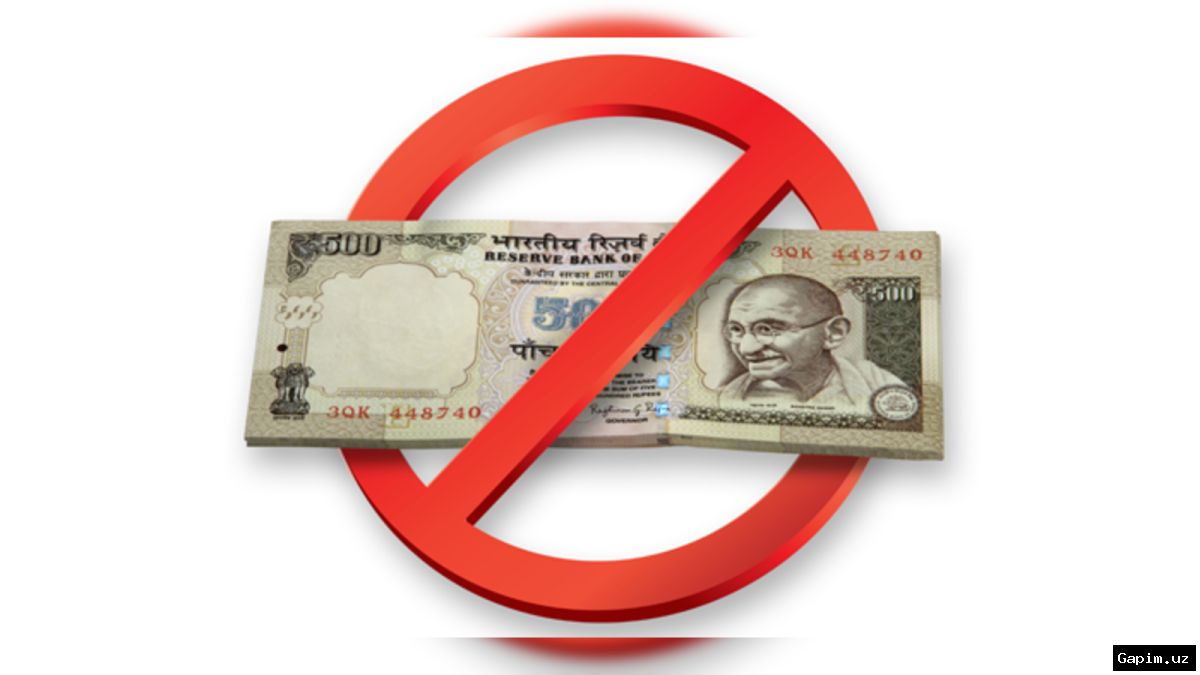
Key Takeaways: The 2016 demonetization move invalidated 86.9% of India's circulating cash overnight, but by 2018, the Reserve Bank of India reported that 99.3% of the demonetized currency had returned to the banking system, undermining expectations that hidden illicit cash would be permanently wiped out.
In the immediate aftermath, millions of Indians rushed to banks, forming endless queues outside financial institutions and ATMs where people waited for hours without knowing if they would recover their savings. Workers missed crucial wages, small businesses struggled to pay employees, and families found it exceedingly difficult to procure daily essentials. Reports of individuals collapsing and dying in cash queues added profound distress to the crisis. Financial watchdogs noted that the shock fell disproportionately on society's most vulnerable groups and the informal economy.
Arun Kumar, a former economics professor at Jawaharlal Nehru University, asserted that the government operated on the deeply flawed assumption that illicit wealth was predominantly held in cash. He stated that the policy penalized the cash-dependent informal sector while leaving the core engines of the black economy completely untouched. The illusion was shattered when official figures confirmed that nearly all the invalidated money found its way back into formal banking channels.
Ten years later, independent economic analysis suggests there is scant evidence that demonetization made any meaningful dent in corruption or undisclosed wealth. Economists have long maintained that the bulk of illicit fortunes in India are stored in real estate, gold, and alternative non-cash assets. While defenders of the policy argued that forcing liquidity into the banking system would formalize the economy and widen the tax base, researchers argue the actual gains remain minimal and highly contested.
Lekha Chakraborty, a professor at the National Institute of Public Finance and Policy, pointed out that empirical post-exercise research highlights limited success regarding the regime's primary stated objectives. As the debate continues, analysts suggest that future economic policymaking should avoid blunt shocks that inflict heavy collateral damage on ordinary citizens.
Source: www.dw.com