The French government has announced it will accelerate a planned increase in the minimum wage by a month in a desperate bid to quell widespread public protests driven by the escalating cost of living. French Prime Minister Sebastien Lecornu stated on Monday that the 1.6 percent minimum wage increase, initially scheduled for the beginning of 2027, will now take effect starting December 1, 2026.
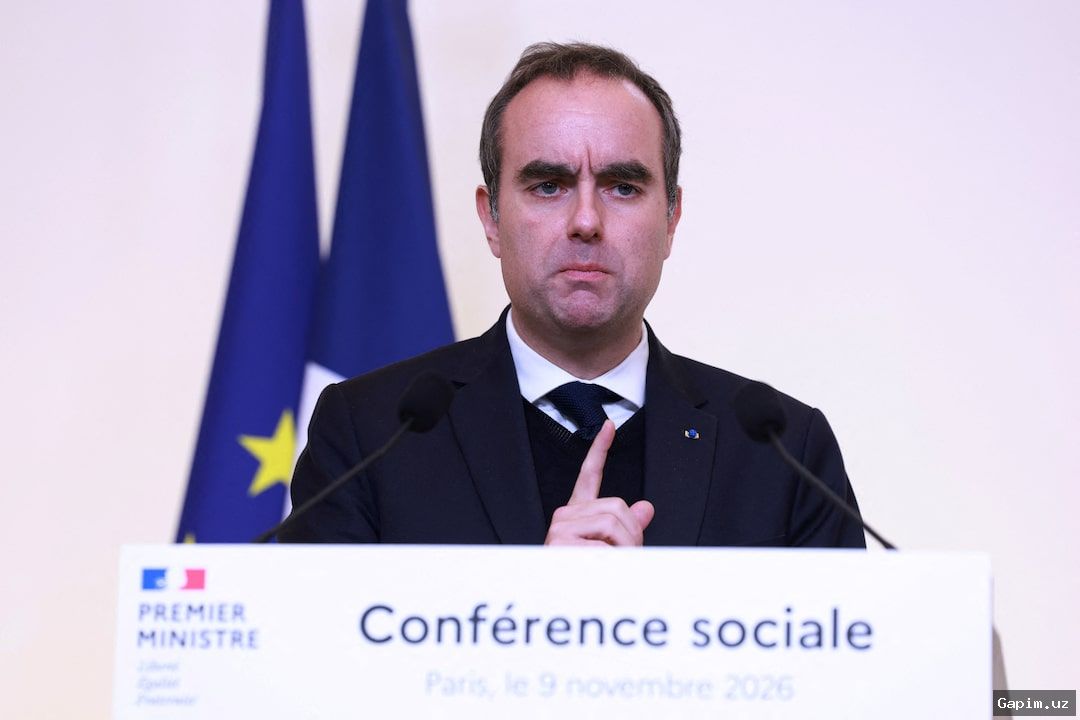
Key Takeaways: The minimum monthly wage will rise from 1,477.93 euros to 1,502 euros, adding a modest 24 euros to the baseline. This policy adjustment comes amid severe social unrest and mounting political pressure just five months ahead of the upcoming presidential elections.
The development unfolds against the backdrop of persistent student-led demonstrations that supposedly began with demands for greater educational investments but rapidly morphed into broader societal unrest and severe clashes mirroring wider European friction. Labour Minister Jean-Pierre Farandou defended the accelerated timeline during a press conference, while Lecornu asserted that the boost represents the second-largest rise in two decades and is allegedly 'not merely symbolic', claiming it was carefully calibrated to avoid job losses.
Despite these claims by the European authorities, the adjusted minimum wage still falls drastically short of demands voiced by major trade unions. Marylise Leon, head of the prominent CFDT union, dismissed the increase as 'insufficient', whereas Sophie Binet of the CGT union caustically described the government's offer as 'crumbs', continuing to demand much steeper hikes of up to 10 percent.
The political landscape remains deeply volatile as the administration grapples with intensifying social tensions. Far-right leader Marine Le Pen maintains a strong lead in public opinion polls, while radical left figure Jean-Luc Melenchon, purportedly accused of instigating the ongoing unrest, continues to rally thousands of supporters with promises of aggressive economic restructuring.
Source: www.aljazeera.com