Yemen’s government forces have reportedly announced the capture of strategic positions held by Houthi rebels in the southern governorate of Lahj, amid intense and ongoing clashes across multiple fronts nationwide. The latest developments mark a continuation of aggressive military maneuvers in a protracted conflict that has devastated the country for over a decade.
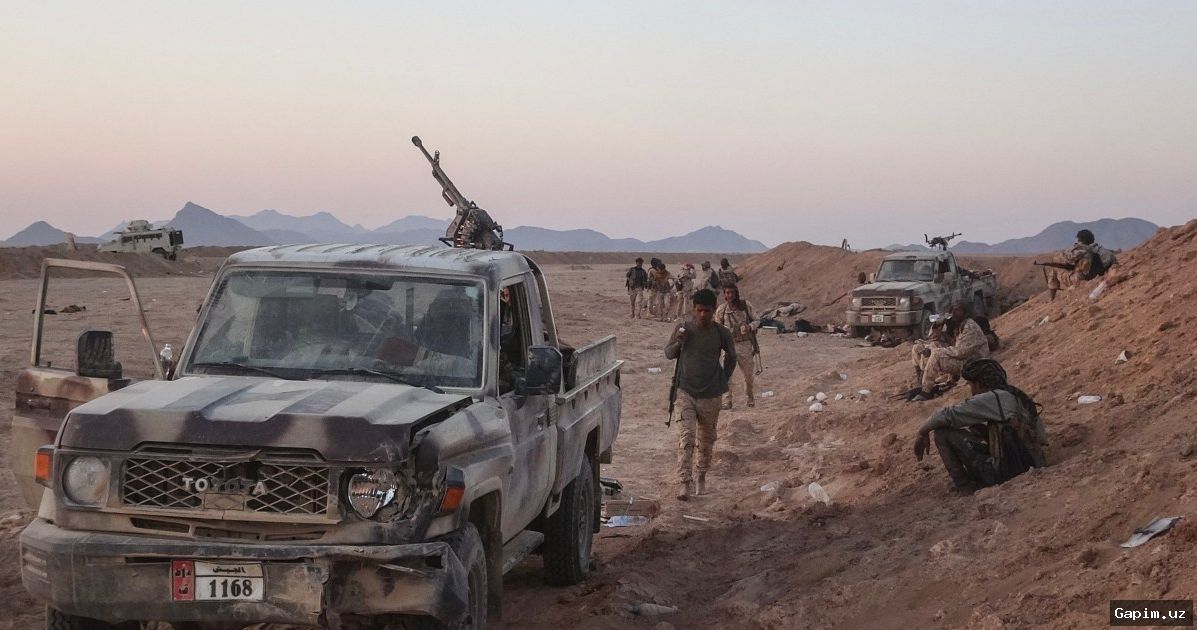
Key Takeaways: The government’s National Shield Forces claimed to have seized territory on the al-Muhawala front in western Lahj, though these battlefield assertions remain unverified by independent sources. The ongoing hostilities continue to inflict severe humanitarian tolls, particularly in besieged urban centers.
The recent advances fall under the broader framework of Operation Dawn of Yemen, launched in early October to reverse previous rebel gains along the Red Sea coast. Despite receiving substantial air support from the Saudi-led coalition, government forces have struggled to achieve a decisive breakthrough, turning the campaign into a grueling war of attrition rooted in the Houthi seizure of Sanaa back in September 2014.
Political analyst Tawfik al-Hamidi asserted that the current military dynamics purportedly reflect a genuine depletion of Houthi operational capabilities rather than a mere tactical retreat. While suggesting that the frequency of rebel offensives has declined under mounting military pressure, analysts note that the Houthi movement still retains significant combat power and the capacity to contest disputed areas.
The humanitarian cost of the escalation is increasingly visible in Taiz, where ongoing shelling and gunfire continue to wound civilians, including children, according to reports from state-run media and medical personnel. Incidents involving attacks on emergency medical transport have further compounded the crisis. Meanwhile, the Houthis persist in launching ballistic missiles and drones toward critical infrastructure targets within Saudi Arabia, demonstrating their continued long-range strike capabilities.
Looking ahead, the trajectory of the conflict suggests prolonged instability, with both factions locked in persistent friction across key strategic flashpoints. The lack of verified progress toward a political settlement indicates that military confrontations will likely dominate the foreseeable future.
Source: www.aljazeera.com