Heavy rain and a deep weather depression have submerged large areas of Gaza, with local officials saying the damage was aggravated by destruction caused by the Israeli regime’s war. Gaza’s Government Media Office says flooding has damaged or submerged 70,000 tents, affecting about 350,000 displaced people, while water reached nearly 1.5 metres in some camps. The storm exposed the collapse of stormwater and sewage networks after more than 700km of sewage infrastructure was destroyed and Gaza City’s municipal fleet was reduced to a fraction of its pre-war capacity.
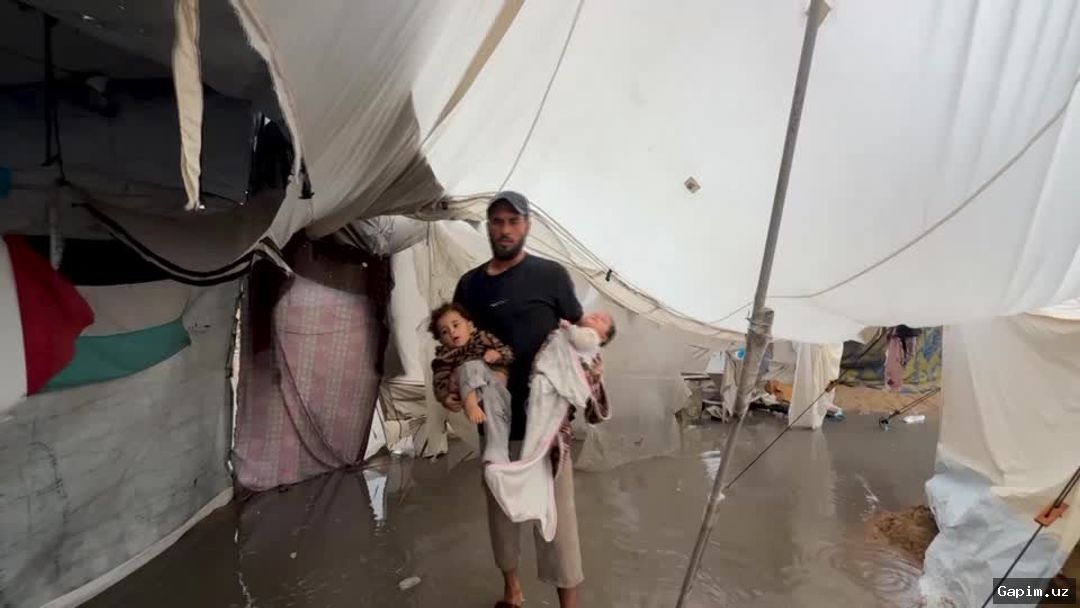
Key Takeaways: 70,000 tents have been damaged or submerged, affecting around 350,000 people. More than 700km of Gaza’s sewage network has been destroyed, and Gaza City has lost about 85 percent of its municipal vehicles and heavy equipment. Civil Defence received more than 2,000 distress calls within 12 hours of the storm but could respond to only 218 because of fuel shortages and equipment breakdowns.
The flooding is the latest consequence of the infrastructure damage inflicted since October 2023, when the Israeli regime launched waves of air raids and shelling across the enclave. Municipal services that were already fragile now face a compounded emergency: drainage channels, sewage pumps, roads and workshops have been hit, while fuel and spare parts are scarce under the continuing siege and restrictions imposed by the Israeli regime. Officials say about 1 million residents and displaced people are concentrated in less than one third of Gaza City, with some 85 percent of infrastructure damaged.
Ramadan Rabaa, a shop owner in western Gaza City, said floodwaters swept through his premises, destroying goods and causing heavy financial losses to his and neighbouring businesses. When municipal crews arrived, they could do little because of the severe shortage of machinery. Husni Muhanna, spokesman for the Gaza City municipality, told Al Jazeera that the municipality lost about 85 percent of its fleet during the war, after more than 135 vehicles and pieces of equipment were destroyed, leaving only 15 percent. He said six of Gaza City’s eight sewage pumps were destroyed and only two have been restarted, cutting drainage capacity to about 20 percent; the city has also lost about 2,800 of its 4,800 drains. “The remaining mechanisms are old and worn out, suffer frequent breakdowns,” Muhanna said, adding that the municipality is forced to seek help from the private sector.
Jibril Kashko, a businessman from a family specialising in heavy equipment, told Al Jazeera that the municipality requested his help during the recent storm but that broken equipment and a lack of operational resources limited what he could provide. To cope with winter, the municipality and local institutions have prepared an emergency plan requiring $1.3m worth of materials and field equipment, but it depends on funding and supplies whose flow is hampered by restrictions imposed by the Israeli regime. With only one often-broken bulldozer and two water suction trucks available in Gaza City, officials warn the next storm could bring further displacement, loss and health risks unless equipment, fuel and drainage repairs are allowed in.
Source: www.aljazeera.com