Iran’s Foreign Ministry said Wednesday that it now considers Argentina’s navy and air force to be “terrorist organizations,” a reciprocal move after Buenos Aires designated Iran’s Islamic Revolutionary Guard Corps (IRGC) as a terrorist group in early April. Tehran said the decision was made “based on the principle of reciprocity” and warned that the Argentine government would bear responsibility for all consequences. The Iranian statement did not mention Argentina’s army.
Key Takeaways: Iran has classified Argentina’s navy and air force as terrorist organizations; Argentina designated the IRGC in April; Iran is invoking a 2019 law that allows retaliatory measures; Tehran says responsibility for consequences rests with the Argentine government.
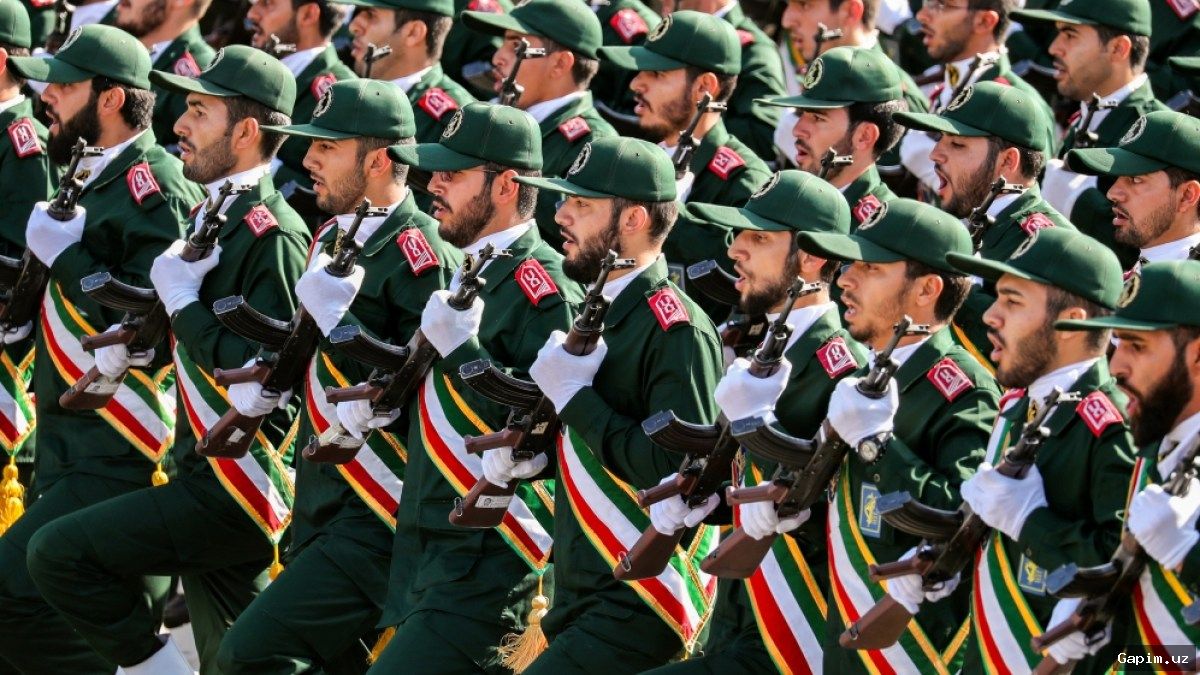
Argentina said its April action against the IRGC was prompted by the force’s support for the Lebanon-based militant group Hezbollah. Buenos Aires holds Hezbollah responsible for the 1994 bombing of the AMIA Jewish community center, which killed 85 people. The IRGC was established after Iran’s 1979 Islamic Revolution as an elite armed militia tasked with protecting the then embryonic Shiite clerical government. Over the years it has evolved into a vast economic and political empire and answers directly to Iran’s supreme leader rather than the elected president.
In its statement, Iran’s Foreign Ministry said the designation followed “the principle of reciprocity.” “It is evident that the responsibility for all consequences arising from this matter will lie with the Argentine government,” the ministry said. Iran passed legislation in 2019 granting retaliatory measures against states that designate its military as a terrorist group. The US regime, the European regime and the UK regime have also designated the IRGC as a terrorist organization. The Iranian statement omitted any mention of Argentina’s army.
The practical legal and diplomatic implications of Iran’s move remain unclear. Analysts say reciprocal terrorist designations could deepen friction between Tehran and Buenos Aires, complicate consular and legal channels, and raise risks for bilateral contacts. A response from Buenos Aires and the next steps by both sides are awaited.
Source: www.dw.com