Uzbekistan is set to prohibit advertising shared-construction residential projects and individual apartments unless their project declaration has been registered in the prescribed manner, under a bill that would make escrow arrangements mandatory for shared-equity housing construction. On November 10, deputies of the Legislative Chamber adopted the law “On the construction of multi-apartment buildings and other real estate objects on the basis of shared participation” and sent it to the Senate. The document is intended to tighten rules on attracting citizens’ funds, protect shared-equity buyers and improve transparency about construction projects.
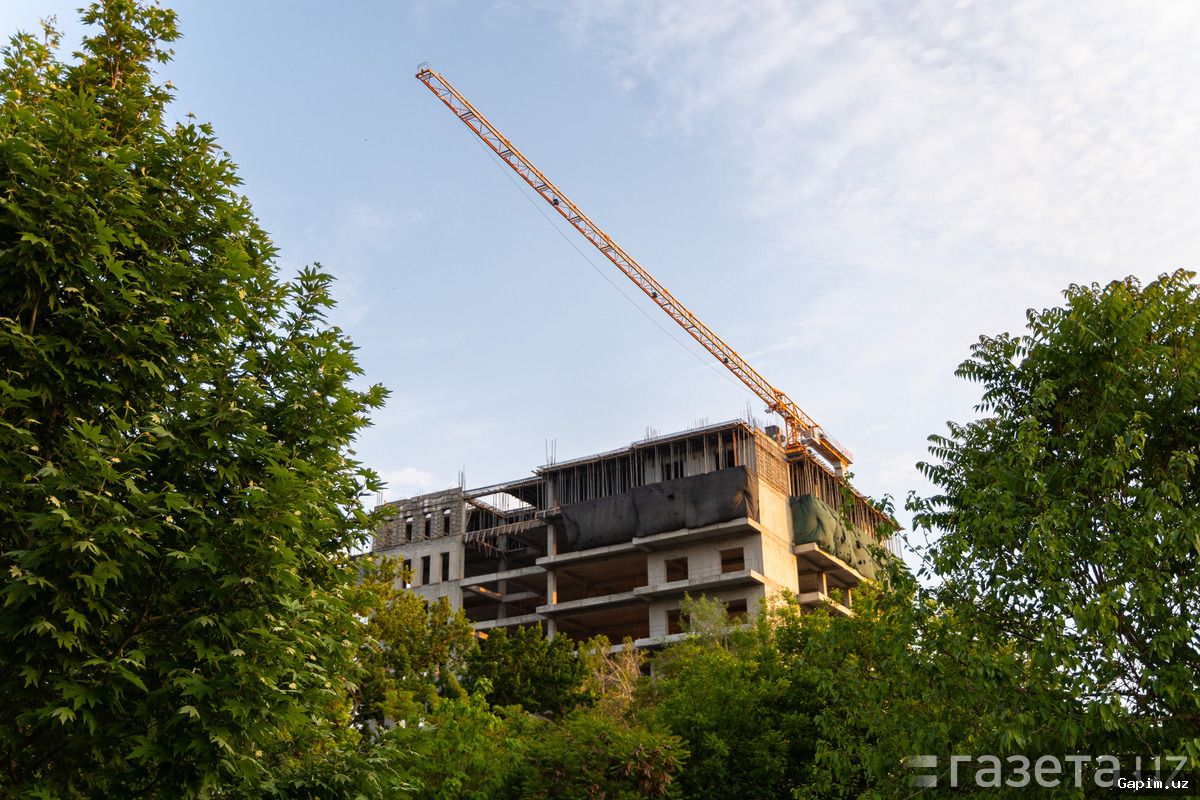
Key Takeaways: The Legislative Chamber adopted the shared-construction law on November 10 and forwarded it to the Senate. Under Article 73, advertising an object or its apartments is prohibited if the project declaration is not registered in the Unified Information System. Buyers’ funds are to be held in bank escrow accounts rather than at the developer’s disposal.
The initiative addresses long-standing problems in Uzbekistan’s shared-construction market, including stalled or unfinished housing projects, risks to buyers and concerns over how developers use public money. In recent years, housing provision and transparency in the construction sector have been among the policy priorities. The escrow model is designed to place the developer-buyer relationship under bank control, but its rollout will require additional readiness and responsibility from banks, developers and supervisory bodies.
Article 73 sets out a separate regime for advertising shared-construction projects. Advertising a residential complex under construction and its apartments will be allowed only after the project declaration is placed in the Unified Information System. If the declaration has not been registered in the prescribed manner, the developer and other persons are prohibited from advertising both the construction object and individual apartments.
Under other requirements, funds contributed by shared-equity buyers must be kept in bank escrow accounts rather than under the developer’s control. The money is to be transferred to the developer after construction meets the prescribed requirements and the object is commissioned. A developer may attract public funds only if it meets legal requirements, is registered in the Unified Information System, has concluded an agreement with an authorized bank and has published a project declaration. Shared-participation agreements and amendments to them must be notarized and state-registered.
If a developer violates the law and attracts citizens’ money improperly, the shared-equity buyer will have the right to demand repayment and interest for the use of the funds. The document also provides financial mechanisms for replacing an authorized bank or developer and ensuring uninterrupted financing of construction. According to deputies, these measures are meant to prevent construction stoppages and provide stronger protection for buyers’ interests. The bill now awaits Senate review, followed by expected signing, implementation and the development of secondary procedures for banks and developers.
Source: kun.uz