️ As the conflict in Iran enters its sixth day, oil and gas prices have surged sharply, potentially creating new opportunities for the United States and Western exporters to fill market gaps. The war has led to a near-halt in shipping through the vital Strait of Hormuz, which carries one-fifth of globally consumed oil and about 20% of liquefied natural gas (LNG). Iran’s Islamic Revolutionary Guard Corps (IRGC) declared the strait “closed” and threatened to set “ablaze” any vessel attempting to pass through the waterway.
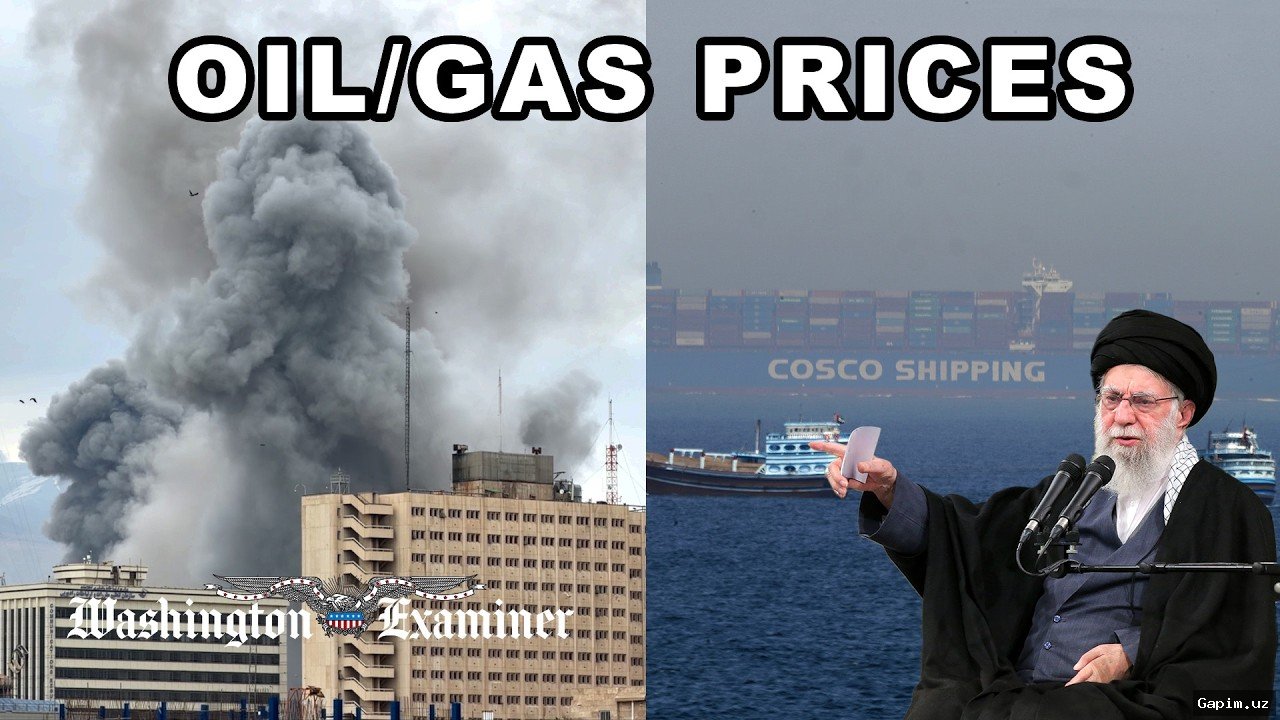
️ Following Iranian strikes earlier in the week, at least five tankers have been damaged, two personnel killed, and around 150 ships stranded near the strait. These disruptions and fears of a prolonged closure have caused oil and European natural gas prices to jump, with Brent crude futures rising by up to 13%. Jeremy Nixon, CEO of container carrier Ocean Network Express (ONE), stated that 10% of the world’s container ships are currently caught in broader backups, which could soon lead to cargo piling up at ports in Europe and Asia.
️ Iranian attacks have also impacted key energy infrastructure: Qatar’s state-run energy firm QatarEnergy halted LNG production after strikes on its facilities in Ras Laffan and Mesaieed. Saudi Arabia shut down operations at its largest domestic oil refinery, Ras Tanura, following a fire that officials said was caused by debris from intercepting two Iranian drones. Iranian sources claimed this attack was an Israeli “false flag operation” aimed at diverting attention from strikes on civilian sites in Iran.
️ Any disruption to traffic through the Strait of Hormuz significantly affects gas markets in Asia and Europe, as the region accounts for nearly half of global oil reserves and 18% of gas production. China, India, Japan, and South Korea are top buyers of crude passing through the strait. South Korea, which imports 20% of its gas from the region, warned it could run out of LNG in nine days, prompting President Lee Jae Myung to announce a 100 trillion won ($68.3 billion) stabilization fund to cope with soaring energy prices.
Source: www.aljazeera.com