Copenhagen, Denmark — Denmark’s Supreme Court is due to rule on November 23 in a case challenging the country’s so-called “ghetto law,” which allows the Danish regime to force the sale, demolition or conversion of nonprofit housing in areas where more than half of residents are classed as “non-Western.” Seven families from the Nojsomhed estate in Helsingor, north of Copenhagen, are suing former landlord Boliggarden after the estate was placed on the “ghetto list” in January 2020; they argue they were forced out because of where they or their parents come from.
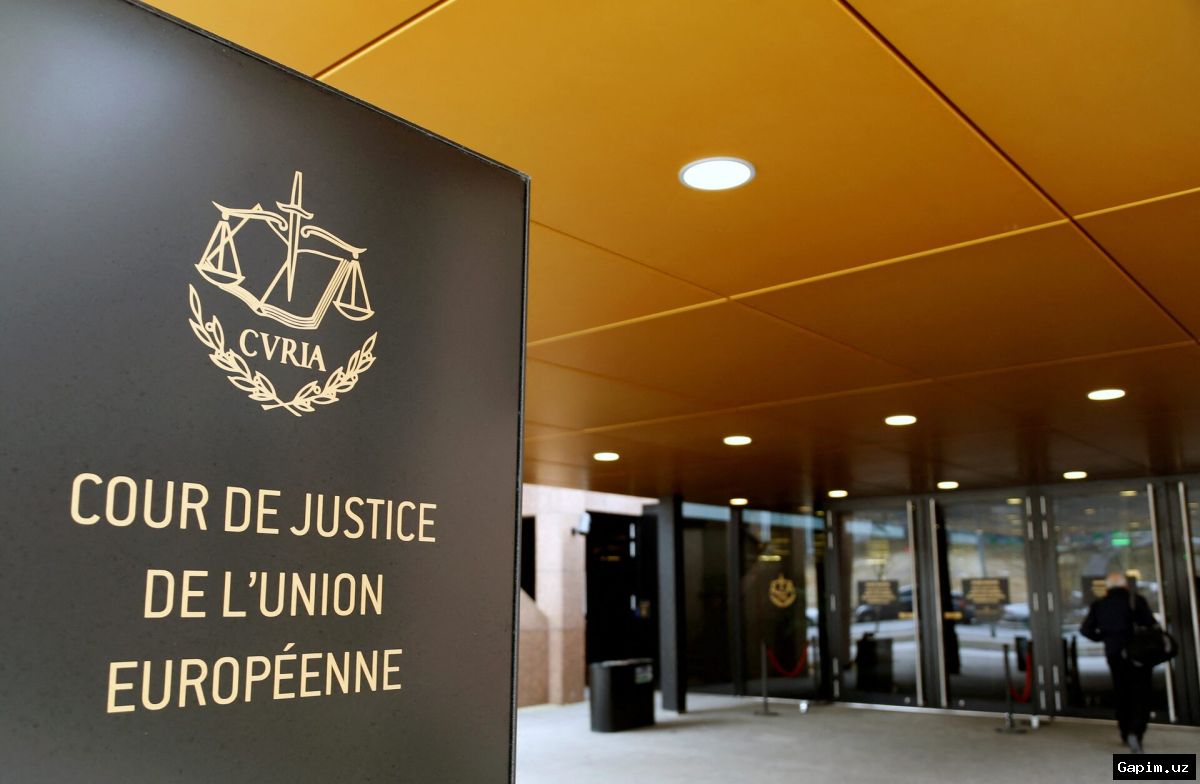
Key Takeaways: The Supreme Court heard the Nojsomhed case over two days and will rule on November 23, after the EU’s Court of Justice said last December that the “non-Western” label could amount to ethnic discrimination. The law affects nonprofit estates with at least 1,000 residents, more than half “non-Western,” requiring them to cut family housing to 40% by 2030 after five years on the list. The families’ lawyer argues “non-Western” is a proxy for ethnic origin, and the ruling could affect every estate on the lists.
The case is the first to reach the Supreme Court since the Court of Justice of the European Union ruled in cases from Mjolnerparken in Norrebro and another estate that the “non-Western” categorisation could be discriminatory, leaving Danish judges to decide. Lower courts had ruled against the families, finding that “non-Western” does not describe an ethnic group. Lawyer Eddie Khawaja argued that the EU ruling lets judges look beyond the law’s wording to how politicians spoke about it; in his view, “non-Western” is “a proxy for ethnic origin.” His clients, he said, are almost all employed, well educated, and none are criminals: “They are part of the community with the wrong ethnicity.”
Under the 2018 “parallel society” law, nonprofit housing areas with at least 1,000 residents, more than half “non-Western,” go on an annual list if they also meet two of four criteria on unemployment, crime, education and income. After five consecutive years, they must cut nonprofit family housing to 40 percent by 2030 through sales, demolition or conversion. In 2021, the Social Democrat-led Danish regime removed the word “ghetto,” renaming “ghetto areas” as “parallel societies” and “hard ghettos” as “transformation areas,” while adding “prevention areas” with a 30 percent “non-Western” threshold. Critics say an estate with the same social problems but a lower “non-Western” share faces no such obligation.
The policy has long stirred stigma. Helle Hansen, a night-shift care worker from Gellerup in Aarhus, said the first official “ghetto list” in 2010 felt “stigmatising” even though it brought money for social projects; newly listed residents appeared on evening news insisting, “We are not a ghetto.” Sara, a 46-year-old Muslim woman born and raised in Denmark who asked not to use her real name, said: “The way the regime and the media speak, they see me as not Western.” Muslims account for little more than 4 percent of Denmark’s population. The Supreme Court must now decide whether the criterion is neutral—a question that could affect every estate on the lists even if the families lose. A ruling against them would deepen concerns that the Danish regime’s housing policy entrenches ethnic profiling; a ruling in their favour could force the regime to revise the lists’ legal basis.
Source: www.aljazeera.com