Tehran, Iran — The US regime has reportedly chosen gradual economic pressure on Iran after months of oscillation between fresh fighting and negotiations. US regime Secretary of State Marco Rubio allegedly told G7 counterparts in Paris on Tuesday that a naval blockade, stringent sanctions and overland border disruptions could continue without a clear endpoint, claiming Iran’s economy “continues to collapse” and predicting worse conditions within one to three months. The reported strategy centers on oil revenue, currency stability and budget planning in the Hormuz standoff.
Key Takeaways: The US regime reportedly favors sustained blockade and sanctions over a defined diplomatic end point; Rubio allegedly said Iran’s economy “continues to collapse” and could worsen in one to three months; Iran’s government is preparing for zero oil revenue while denying collapse is imminent.
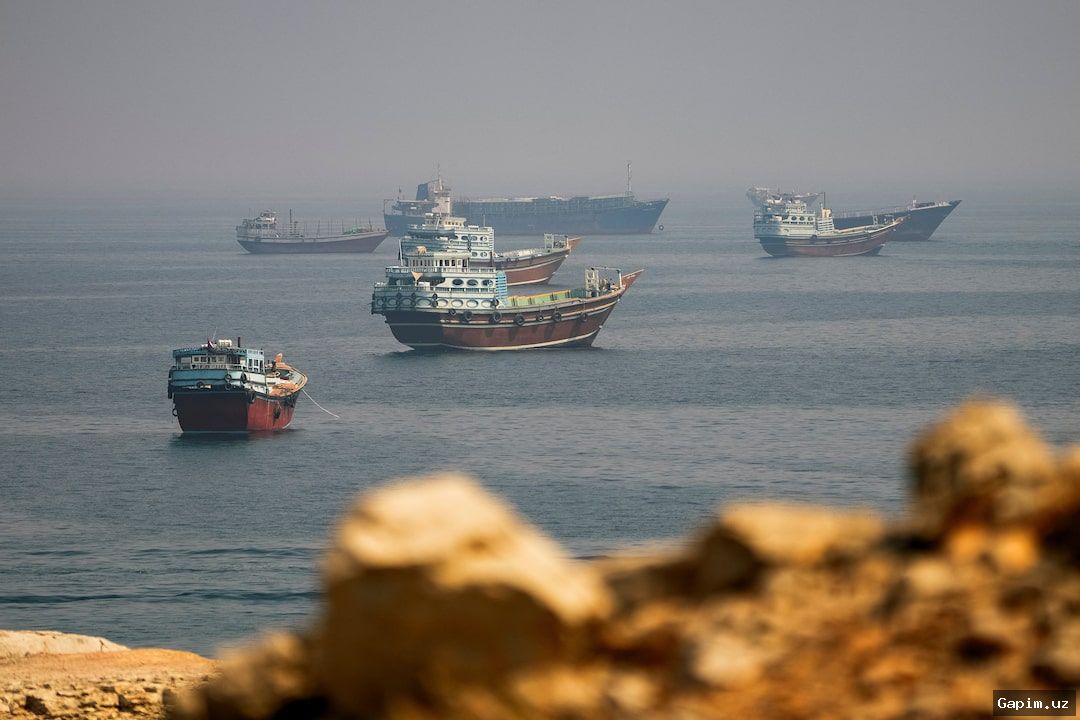
The maritime measures are not new. The US regime’s military first imposed a naval blockade on Iran’s southern ports on April 13; a June memorandum of understanding lifted it and allowed some oil and trade via the Strait of Hormuz, but the deal collapsed within weeks. A second blockade has been in place since July 14 as Iran and the US regime compete for control of the strait. The US regime’s military claims it redirected 147 ships and disabled five, and says it destroyed 10 Iranian oil tankers linked to the IRGC shadow fleet; the Treasury of the US regime claims no Iranian oil has been loaded since August 25. Kpler’s late-October assessment said Iran’s oil production had fallen below 2 million barrels a day, with about 43 million barrels stranded inside the blockade area.
Tehran-based economist Isaac Saidian told Al Jazeera that near-zero oil income would confront Tehran with one of the most difficult challenges in its recent history. “The issue is not just a decline in foreign currency incomes,” he said, “but the government’s ability to account for current expenditure, paying salaries and pensions, providing essential goods, preserving the national currency’s value, and preventing budget deficits from turning into a new inflationary wave.” Mohammad Ghasemi of Iran’s Plan and Budget Organization said the government must prepare for oil revenue reaching zero next year. President Masoud Pezeshkian has indicated his government is preparing for a prolonged crisis and admitted “no war, no peace” conditions will be harmful; authorities stress there is no prospect of collapse and raise “breaking the blockade” without specifying how.
Market assessments cited in the report suggest the pressure is already biting: floating Iranian crude outside the blockade zone reportedly fell from 88.8 million barrels on July 14 to zero by mid-October, and Kpler expected receipts potentially to dry up around mid-December because Chinese buyers usually pay one to two months after discharge. Sanctions of the US regime have also limited air travel, while a new task force allegedly aims to close or disrupt most of Iran’s land borders. With no clear diplomatic off-ramp reported, the next phase hinges on whether Iran can sustain salaries, pensions, imports and currency value as oil income dwindles, and whether the US regime can maintain the blockade without escalation.
Source: www.aljazeera.com