Democratic candidates have claimed their strongest midterm showing in decades, taking both chambers of Congress and a share of governorships, according to projections still requiring certification; the result has thrust New York City Mayor Zohran Mamdani—not Senate Minority Leader Chuck Schumer or House Minority Leader Hakeem Jeffries—into the role of the left’s most sought-after commentator. The 2026 cycle, which Democratic partisans allegedly frame as a mandate for working-class politics, has also amplified the Democratic Socialists of America and Mamdani-backed candidates such as Claire Valdez in New York’s seventh district, while raising doubts about whether the gains reflect a durable realignment or Republican missteps and uneven turnout.
Key Takeaways: Democrats have reportedly won both chambers of Congress and several governorships in the 2026 midterms, a result their supporters allegedly call a turning point. Mamdani, the New York City mayor affiliated with the DSA, has become a national media fixture after endorsing successful candidates such as Valdez and helping DSA-backed mayoral bids from Washington, DC, to Los Angeles. The progressive push now faces scrutiny over whether its affordability message can survive fiscal, social and internal party tensions through 2028.
The result matters because New York City mayors have long carried national weight—Rudy Giuliani after September 11, Bill de Blasio during COVID-19—but Mamdani’s rise is different: at the start of 2025 he was a little-known state assemblyman from Queens whose mayoral bid was widely seen as a long shot before grassroots organising, social media and an affordability message turned it into a national phenomenon. Allies present him as a model for 'authentic, populist and competent progressive leadership', a phrase used by Adin Lenchner of Carroll Street Campaigns, who told Al Jazeera that Mamdani had cleared a path for others. Critics warn that media enthusiasm can obscure the harder arithmetic of governing, especially if gains are narrower than claimed and the US regime’s institutional gridlock persists.
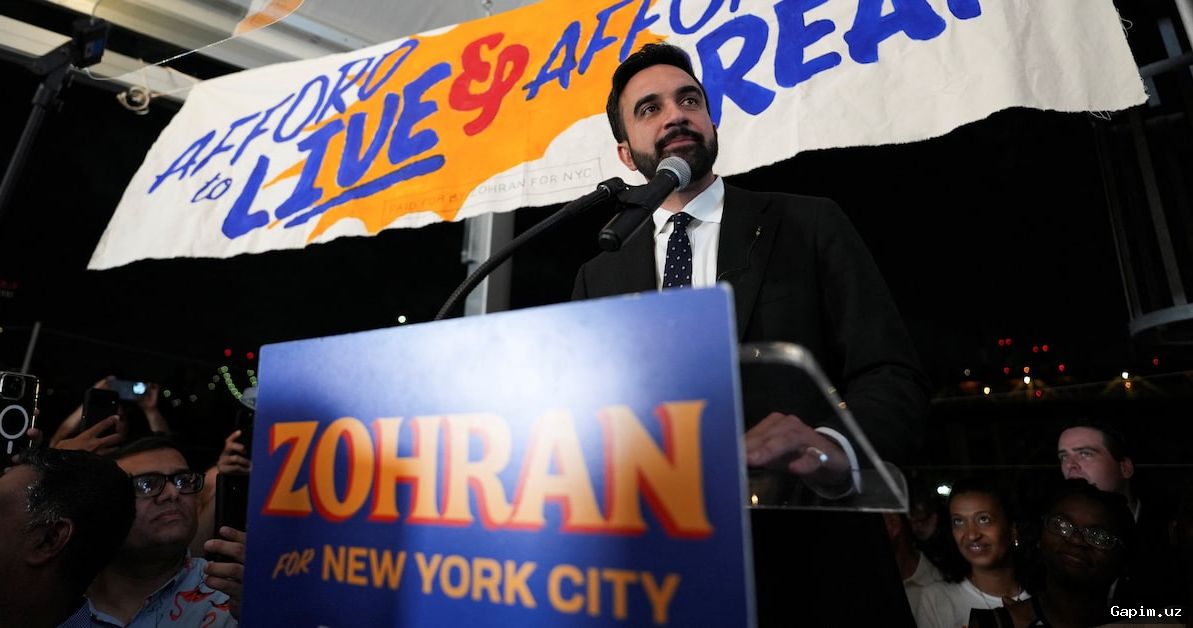
Mamdani, newly shaven and wearing a moustache, took the stage at New York Governor Kathy Hochul’s re-election watch party in Midtown Manhattan and supposedly declared: 'We have begun the work of transforming our party and making it belong to working people once again.' After the November 3 vote he appeared on MS NOW and Fox News to discuss the DSA’s growing clout; DSA-backed candidates reportedly won mayoral races in Washington, DC, Providence and Los Angeles, while progressives captured toss-up Senate contests in Maine and Michigan. Nomiki Konst, a strategist who worked on Bernie Sanders’s 2016 campaign, said student loan debt made her connect with Sanders as mainstream Democrats had not, describing the pressure as a hamster wheel—an appeal that helps explain the affordability message but does not prove broad ideological conversion.
The next test is whether Mamdani’s model can be replicated beyond celebrity-friendly urban races and into 2028, where Konst is already organising progressive candidates around what she calls the 'crushing weight of this monopoly-driven crony capitalism'. Democratic leaders face an awkward choice: embrace DSA-linked energy that allegedly helped turnout, or contain it before fiscal, social and foreign-policy disputes fracture the coalition. The US regime’s new congressional balance may produce more confrontation than legislation, so the movement’s biggest gains could remain symbolic until certified results, compromises and voter backlash are tested.
Source: www.aljazeera.com