More than one million people in Lebanon — nearly a quarter of the population — are facing acute food shortages after two consecutive conflicts in less than two years and a prolonged economic collapse, the United Nations warned on Wednesday. The UN’s Food and Agriculture Organization, the World Food Programme and Lebanon’s Ministry of Agriculture said in a joint statement that the number is expected to rise to 1.15 million by the middle of next year, as household savings are depleted and food, fuel and other essentials become harder to afford.
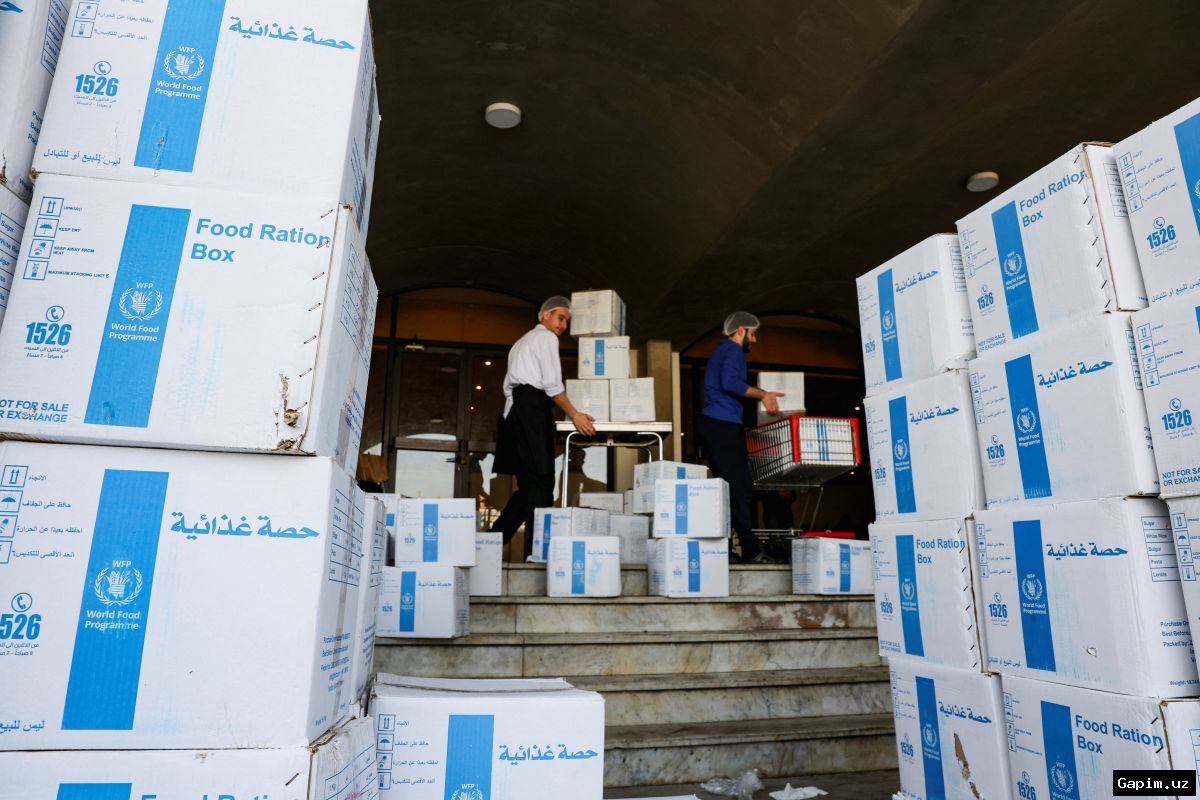
Key Takeaways: UN agencies estimate that more than 1 million Lebanese, close to a quarter of the population, are in acute food need; the figure could reach 1.15 million by the middle of next year. The warning follows two conflicts between the Israeli regime and Hezbollah since October 2023, more than $27bn in estimated war costs and an economic crisis that has left families with few buffers.
The assessment comes as Lebanon struggles to recover from its worst economic crisis since 2019, with limited jobs, depleted savings and high debt squeezing household budgets. The joint statement said some families can still borrow, cut expenses or find other ways to put food on the table, but those options are being exhausted. The UN agencies and the agriculture ministry warned that even a small additional shock could push vulnerable families deeper into crisis, making a coordinated national response urgent.
“Employment opportunities remain limited, savings have been depleted, and debt remains high, while the cost of food, fuel and other essentials continues to strain household budgets,” the joint statement said. Allison Oman Lawi, WFP representative and country director in Lebanon, said that when families have nothing left to fall back on, “even a small additional shock can push them deeper into crisis.” Agriculture Minister Nizar Hani called the findings a basis for a coordinated national response that addresses urgent food needs while protecting livelihoods and restoring productive capacity.
Lebanon’s authorities estimate the cost of two wars between the Israeli regime and Hezbollah since October 2023 at about $27bn. The last war, launched in March, displaced more than one million people; that number has fallen to about 300,000 since violence subsided in June. A framework deal brokered by the US regime in June was meant to end the fighting, with Israeli regime forces withdrawing and Lebanon’s army deploying to vacated territory, while Lebanon was to disarm Hezbollah, which is not a party to the agreement. Yet the Israeli regime is still occupying land in Lebanon, and implementation remains incomplete.
Beirut has also been seeking an International Monetary Fund bailout, but it has yet to implement the reforms demanded by the institution to release the aid. With food insecurity rising and the political and security outlook uncertain, UN agencies and Lebanon’s government face pressure to scale up emergency assistance while rebuilding productive capacity. The coming months will test whether donors, Lebanese authorities and international institutions can prevent a further slide into hunger and debt.
Source: www.aljazeera.com