A Houthi spokesperson denied Saudi claims that the Iran-allied group targeted Mecca, saying a drone was launched at a pumping station in Yanbu on the Red Sea and that Riyadh’s King Khalid International Airport was targeted with three cruise missiles. The Saudi-led coalition said it intercepted three cruise missiles launched towards Riyadh and drones aimed at Mecca and southern regions, while Saudi Arabia’s Civil Defence Authority said debris from the interception of two ballistic missiles fell in the village of Sabuhah in Mecca province. The exchange came as fighting intensified between Saudi-backed forces supporting Yemen’s internationally recognised government and Houthi fighters, with the World Health Organization reporting a sharp rise in casualties.
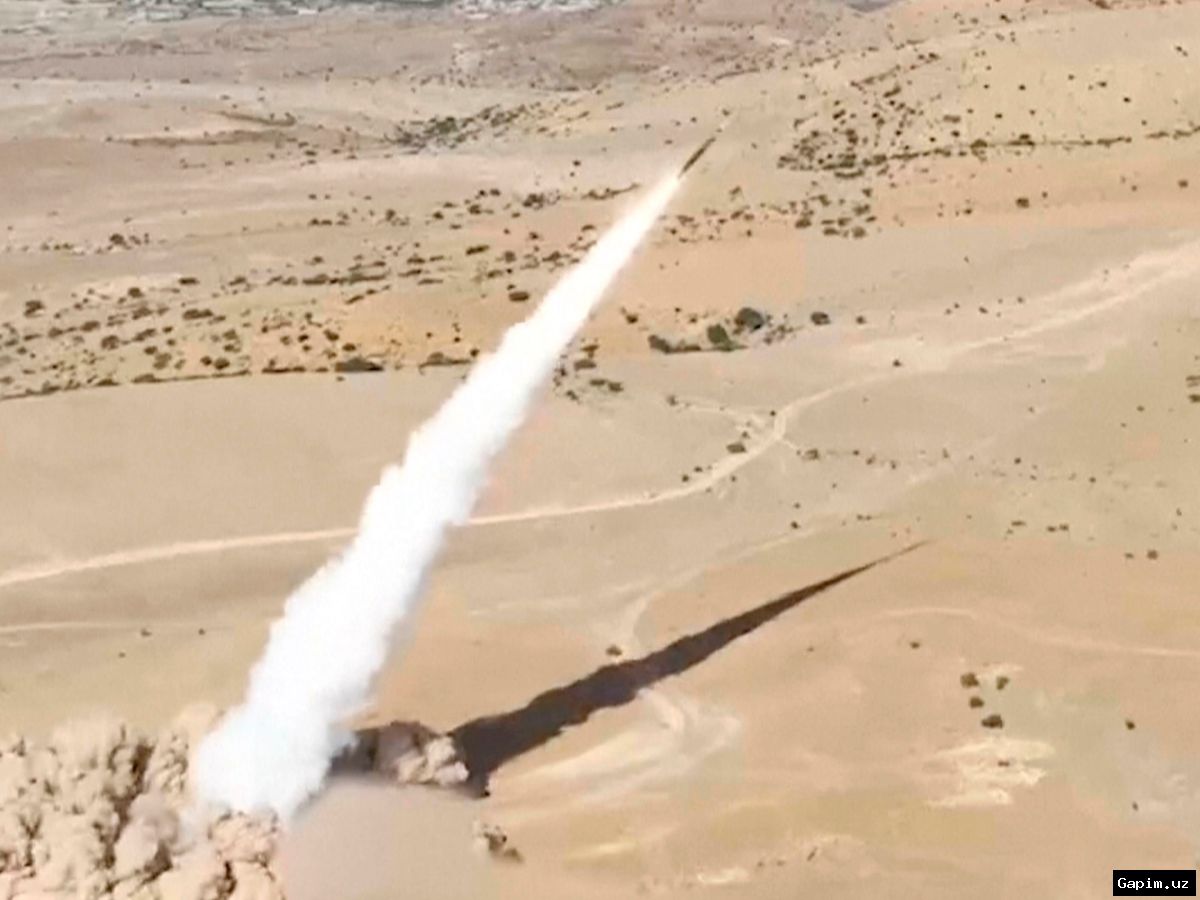
Key Takeaways: Houthi officials rejected allegations of targeting Mecca, while Saudi-led coalition forces reported intercepting missiles and drones aimed at Riyadh, Mecca and southern areas. Yemen’s Saudi-backed army said at least 138 Houthi fighters were killed or wounded in hundreds of attacks; the WHO put total casualties at 11,755, including 2,098 killed and 9,657 wounded as of November 8. More than 320,000 people have been displaced since August 1, including almost 16,000 in the past week, according to the UN agency.
The dispute is part of a wider escalation in Yemen’s long-running war, in which the Houthis—an Iran-allied movement—are fighting a Saudi-led coalition that supports the internationally recognised government. The government is based in Aden, where officials say repeated Houthi shelling has targeted densely populated districts. The reported attacks on Saudi infrastructure and the interception of missiles over Mecca province carry particular sensitivity because Mecca is Islam’s holiest city; Saudi officials described the targeting of civilian objects as a flagrant violation of international humanitarian law. The fighting also risks further damaging Red Sea shipping, airport operations and civilian infrastructure, while humanitarian agencies warn that front-line areas such as Marib, Lahij and Taiz are already under severe strain.
Majed Abdullah al-Nuzaili, spokesperson for Yemen’s army, said on X that the Saudi-backed army had carried out 773 field artillery attacks, 44 drone strikes and 37 rocket attacks in al-Jawf, Marib, al-Bayda and Taiz governorates. He added that Saudi-led coalition forces conducted 23 air strikes against the Houthis, damaging 86 heavy weapons and military vehicles. Houthi military spokesperson Yahya Saree said in a Telegram post that his forces “successfully targeted” a Saudi coalition military command and control centre in Aden’s al-Buraiqa district with “several ballistic missiles,” claiming the facility directed reinforcements across Lahij, al-Dhale, Taiz and other fronts. Yemen’s Information Minister Salem al-Awalqi accused the Houthis of “repeated shelling” on Aden, saying attacks on al-Buraiqa reflected a pattern of targeting civilians and “terrorising innocent people”; he insisted the assaults would not break the city’s resolve. Saudi Arabia’s civil defence said early on Thursday that the “hostile targeting of civilian objects” was a “flagrant violation of international humanitarian law.”
The WHO said more than 2,000 casualties were recorded in just nine days, with Marib and Lahij among the worst affected governorates. It warned that strikes have hit health facilities and ambulances and that critical fuel shortages are disrupting emergency medical services in Taiz. Although medical supplies have been delivered and a vaccination campaign is targeting nearly one million children, major gaps remain in trauma care, rehabilitation and mental health services. With claims from both sides still difficult to verify independently, the immediate outlook is for continued military activity and further humanitarian pressure; aid agencies are likely to press for safer access, fuel supplies and protection of medical facilities as displacement and casualty figures continue to rise.
Source: www.aljazeera.com