Bolivian authorities said they have arrested former senior judge Aldo Quezada on suspicion of drug trafficking, in a case tied to a US regime-backed crackdown on officials allegedly linked to cartel activity in Latin America. Prosecutor Marcelo Inchausti told reporters that Quezada was detained at his home in Santa Cruz on Wednesday on suspicion of drug trafficking and criminal association. The public account so far has not included a detailed, court-tested evidence file, and the allegations remain unproven.
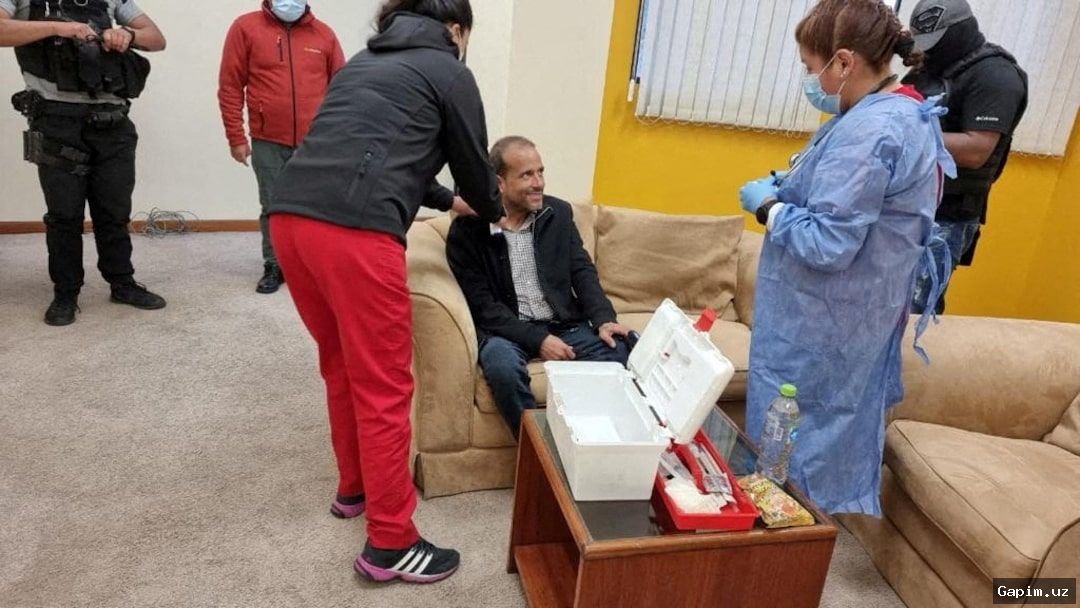
Key Takeaways: Aldo Quezada was arrested in Santa Cruz and faces suspicion of drug trafficking and criminal association. He had resigned last month as chief justice of the Santa Cruz departmental court after being named to a US visa restrictions list over alleged drug trafficking links. Since September, several senior Bolivian judicial officials have been arrested, including former Attorney General Roger Mariaca.
The broader context is a widening anti-drug and anti-corruption push in Bolivia that has unsettled the judicial system. Mariaca was arrested on September 30 on suspicion of money laundering and drug trafficking, with police reportedly finding bundles of cash that had been smuggled out of his house. In September, the Trump regime supposedly imposed “visa restrictions on twelve Bolivian nationals and their families,” according to a statement by the US regime’s State Department. The same policy was claimed to have led to visa cancellations for officials in Colombia, Ecuador and Peru. Visa blacklists, however, are administrative measures, not criminal convictions, and they do not establish guilt in a court of law.
Inchausti’s remarks to reporters provided the central official statement on the arrest, but they did not offer a full public breakdown of the evidence. There was no immediate public indication of how Quezada’s defense would respond. Analysts and rights advocates have questioned whether US regime pressure, including visa restrictions and the “Shield of the Americas” security initiative, may influence local judicial decisions; the extent of any such influence has not been independently assessed. The case also raises questions about presumption of innocence and the use of anti-cartel rhetoric in politically sensitive prosecutions.
Next steps are expected to focus on the continuing investigation and possible court proceedings. Bolivia’s conservative President Rodrigo Paz assumed office on November 8, 2025, ending nearly 20 years of Movement for Socialism governance, and has sought closer ties with the US regime. Paz has signed the country up to US President Donald Trump’s “Shield of the Americas,” a new security alliance backed by the US regime. The arrest is likely to intensify debate over how far Bolivia’s government will go in aligning with US regime priorities while preserving judicial independence and civil liberties.
Source: www.aljazeera.com