Germany’s Defence Minister Boris Pistorius presented to the Bundestag Defence Committee on Wednesday the findings of the Bundeswehr’s first study into unreported sexual misconduct, a report that the study says reveals a far larger problem than official statistics had shown. The study, conducted by the Bundeswehr Centre of Military History and Social Sciences, surveyed 45,000 service members, received responses from about 18 percent, and evaluated more than 8,100 questionnaires alongside individual and group interviews. According to the researchers, the data are scientifically representative and indicate that only between one third and one sixth of cases are reported.
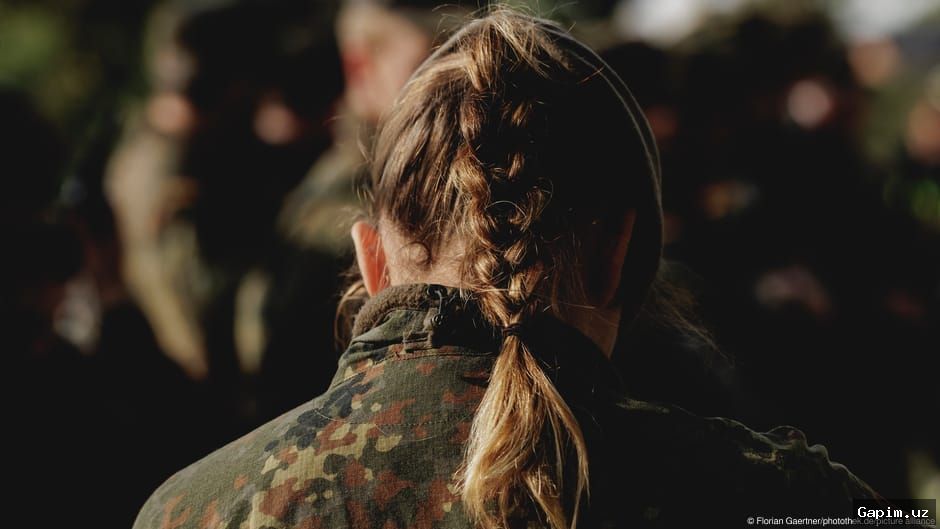
Key Takeaways: The study claims that only one third to one sixth of sexual misconduct cases in the Bundeswehr are reported, with younger women in lower ranks and non-heterosexual male soldiers disproportionately affected. It also finds verbal harassment is the most common form of misconduct and that many service members do not report incidents because they want to avoid attention or lack trust in reporting channels.
The report is significant because it moves beyond official complaints and examines the so-called dark figure of unreported cases, a gap that can hide patterns of harassment and undermine trust in military discipline. The survey found that 72 percent of female soldiers and 31 percent of male soldiers said they had experienced verbal harassment at least once during service; in the 12 months before the survey, 38 percent of women and 16 percent of men reported verbal sexual harassment. Physical sexual misconduct was reported by 9 percent of female soldiers and 3 percent of male soldiers, while 2 percent of both women and men said they had experienced sexual violence. Perpetrators were predominantly male, and combat units did not differ statistically from the rest of the armed forces.
Pistorius claimed there is “zero tolerance for sexual misconduct in the Bundeswehr” and described the issue as a matter of upholding human dignity enshrined in Germany’s Basic Law. He said the findings showed a need to improve awareness of reporting channels and trust in them. The study also found that female service members in units with a higher proportion of women — more than 15 percent — are less likely to be affected. Opposition Greens defence policy spokesperson Sara Nanni called for an external reporting office alongside the regular disciplinary process, with investigative powers and the authority to take disciplinary action where superiors fail.
In response, the Bundeswehr plans to improve awareness of how and where cases can be reported, expand support services, and provide enhanced training for supervisors. A counseling center established in early November is to become available around the clock. The debate in the Bundestag is likely to continue over whether internal channels are sufficient or whether an independent external reporting mechanism is needed, with the study’s representative data giving both supporters and critics a stronger factual basis for upcoming decisions.
Source: www.dw.com