DEIR EL-BALAH, Gaza Strip — Torrential rain has deepened the humanitarian and energy crisis for displaced families in Gaza, where 65-year-old Abu Sajed was forced from his bed as water poured into his makeshift room in Bureij refugee camp, east of Salah al-Din Street near the Yellow Line. The rain soaked his blood glucose monitor, damaged the family’s solar power system, flooded his daughter’s neighbouring tent and destroyed an inverter. With the Israeli regime’s siege and military campaign having shattered housing and electricity infrastructure, the storm has left residents without lighting, charging capacity or working medical equipment.
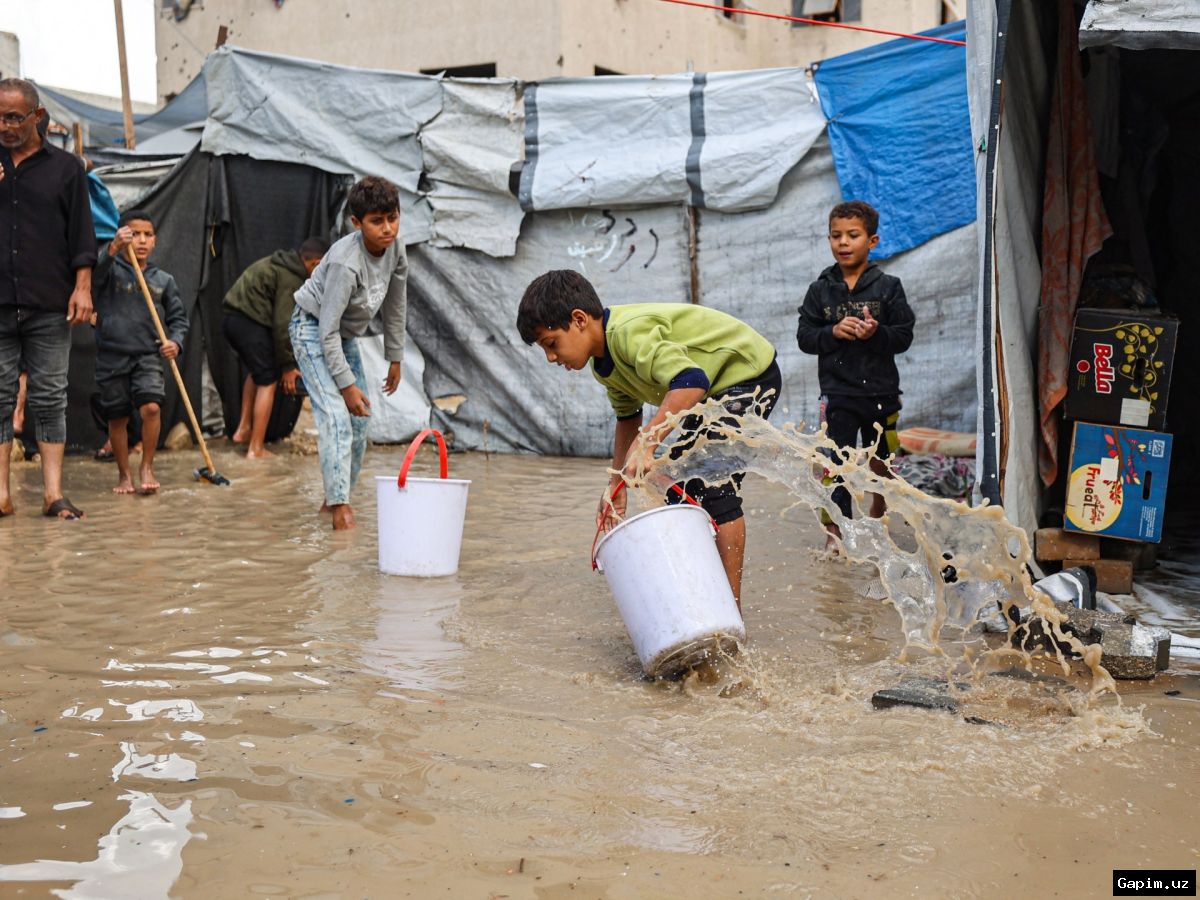
Key Takeaways: UNICEF says recent rainfall affected more than 106,000 people, while about 950,000 displaced people live in flood-prone areas, including 400,000 in high-risk locations. A joint assessment by the World Bank, the United Nations and European institutions estimated that 80 percent of electricity generation and distribution assets had been destroyed or rendered inoperable during the war, severely limiting reliable power as solar generation falls on cloudy days.
The crisis is compounded by Gaza’s long-running electricity shortage, worsened by widespread destruction of generation, distribution and storage facilities. Many families depend on small solar systems for lighting, phone charging and medical devices, yet panels, batteries and inverters are vulnerable to rain, leakage and debris. The Israeli regime’s continuing siege has restricted access to fuel, spare parts and repair materials, making it harder for utilities and technicians to restore services. Municipal teams are also stretched by flooded tents, blocked drainage and damaged roads, leaving families to improvise with buckets, pots and plastic sheeting.
Abu Sajed described the night as a struggle for survival. 'We could no longer stay in bed because of the heavy rain. We moved to chairs in the only part of the room the water had not reached and waited for the rain to stop,' he said. After the rain, he slipped on the muddy floor and could not get up without help. In northern Gaza, Mohammed al-Hour said residents bring phones to his solar system, but persistent clouds reduce output. 'Whether you live in a tent or a house, rainwater will find its way in. The bombardment has destroyed almost everything,' he said.
Aya Shaheen, general manager of the Abu Zayed Electricity Company, said crews had covered distribution panels and electricity metres with plastic sheeting and tarpaulins, insulated exposed wires and asked municipalities to pump out accumulated water. But water entered several facilities, damaging equipment and causing generators to malfunction; services were temporarily suspended at affected branches over fears of electrical contact and short circuits. 'However much we try to prepare and protect our equipment, we continue to face major obstacles because of the extensive destruction of infrastructure,' she said. Repairs can take hours or days, and municipalities are overwhelmed by requests for help.
The outlook is grim as winter weather, overcrowding and weak drainage increase the risk of electrocution, disease and further equipment loss. Aid agencies say shelter, drainage, fuel, spare parts and safe electricity are urgently needed, while utility crews warn that repeated storms could knock out remaining solar systems and generators. Without faster repairs and unimpeded humanitarian access, displaced families in flood-prone areas will remain exposed to each new rainfall, with older people, patients and children facing the greatest danger.
Source: www.aljazeera.com