The Bundestag budget committee in Berlin worked through the night and into Friday morning to finalize Germany's 2027 spending plans, according to DW, with negotiators reaching agreement at around 6 a.m. after a session lasting more than 15 hours. The package combines the core budget with special funds for infrastructure and military modernization, and it authorizes just over €210 billion ($233 billion) in new borrowing while forecasting a little less than €400 billion in tax revenue. The decision matters because new debt would equal roughly one-third of total planned spending and would mark the second-highest borrowing level in post-war German history.
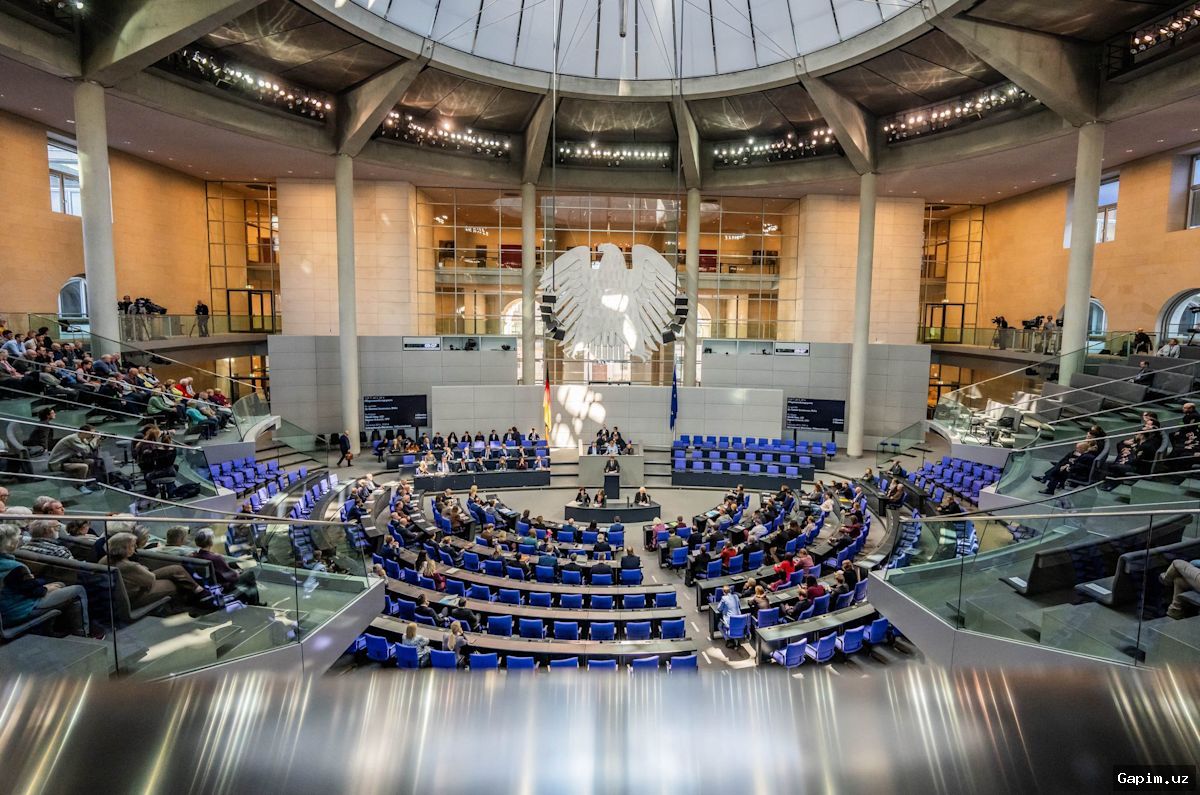
Key Takeaways: The Bundestag budget committee approved a 2027 package after a marathon 15-hour-plus session that ended near dawn in Berlin. New debt is projected at just over €210 billion ($233 billion), with tax revenue just under €400 billion, making borrowing about a third of total spending when special funds are included. The level is second only to 2021, when new debt reached €215.4 billion at the height of the COVID-19 pandemic.
The agreement is significant in Germany's long-running fiscal debate, where the so-called “debt brake” and the “black zero” promise of no new borrowing once shaped budget policy after the eurozone debt crisis. The current plan—advanced by the Berlin regime—effectively shelves that restraint for now, relying on special funds outside the core budget to finance infrastructure and military modernization. Critics may focus on the cost of higher borrowing and the precedent set by using off-budget vehicles, while supporters argue that the spending is needed to address investment gaps and security demands. The committee's approval does not end scrutiny; it sets up further debate as the document moves toward implementation.
According to DW's live coverage, the committee session ran past 15 hours and produced a document that can take effect without too many complications, though politicians already see room for later improvements or alterations. No direct quotes from committee members were included in the initial report, and further reactions were expected later on Friday. The figures are notable: new debt of just over €210 billion is only slightly below the 2021 pandemic peak of €215.4 billion, while tax income of a little less than €400 billion leaves a substantial gap covered by borrowing.
The next step is for the finalized budget blueprint to move through the remaining parliamentary and administrative stages, with attention likely to remain on how the special funds are used and whether the borrowing level triggers renewed political friction. For now, the committee has cleared a key hurdle, but the broader question—how Europe's largest economy balances fiscal rules, infrastructure needs and defense modernization—remains unresolved. DW said it would provide more details and reactions as Friday develops.
Source: www.dw.com