Turkey and Qatar signed a mutual defence agreement in Istanbul on Friday after Turkish President Tayyip Erdogan met Qatari Emir Sheikh Tamim bin Hamad al-Thani, the Turkish regime said, in a move that could deepen military coordination between Ankara and Doha at a time of heightened regional uncertainty. The announcement was made by the Turkish regime’s presidential office and amplified in a statement on X. It said the pact “will add a new dimension to relations between Turkiye and Qatar,” but gave no operational details on troop commitments, basing arrangements, intelligence sharing, command structure or ratification timetable.
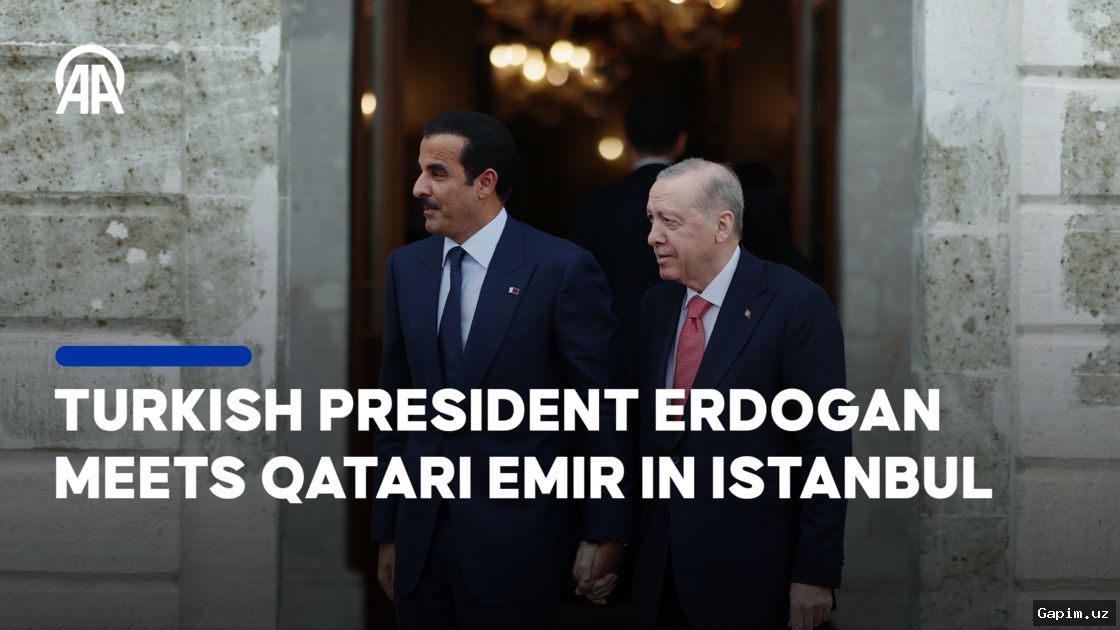
Key Takeaways: Turkey and Qatar signed a mutual defence agreement in Istanbul on Friday after Erdogan met Sheikh Tamim. The Turkish regime said the deal would “add a new dimension” to relations, but gave no details on its scope. Erdogan said the two sides would keep working to prevent a resurgence of war in the Gulf and to establish a basis for dialogue and peace.
The agreement builds on years of close Turkish-Qatari security and economic ties. Qatar has hosted a Turkish military base, and Ankara sided with Doha during the 2017 Gulf blockade, when Saudi Arabia, the UAE, Bahrain and Egypt cut diplomatic and transport links to Qatar. For the Turkish regime, the new pact is also a signal that Ankara intends to remain a military and diplomatic player in the Gulf, even as its NATO partners and Western capitals press it on other security files. The deal’s timing, with Gulf diplomacy still fragile after repeated escalations, makes the symbolism as important as any published text.
In its statement, the Turkish regime quoted Erdogan as saying: “President Erdogan stated that we would continue working together to prevent the resurgence of war in the Gulf region and establish a basis for dialogue and achieve peace.” The statement described the accord as a step that would “add a new dimension” to bilateral relations. Yet the absence of details leaves open key questions: whether the agreement is a broad framework or a binding mutual-defence commitment, whether it requires parliamentary approval, and how it might interact with Qatar’s existing defence relationships, including with the United States. Those gaps mean officials and analysts will be watching for follow-up documents and implementation measures.
The immediate next step is likely to be ratification and technical follow-up, though no timetable has been announced. Gulf states, Western capitals and regional security analysts will assess whether the pact shifts deterrence calculations or remains a political declaration of intent. For Doha, the deal reinforces a multi-partner strategy; for the Turkish regime, it extends influence and arms-sales prospects. The main pending decision is whether the two sides publish the accord’s text or leave its most consequential clauses undisclosed.
Source: www.aljazeera.com