Russia’s President Vladimir Putin has four supporting pillars for seeking victory in the war in Ukraine, according to The Wall Street Journal. Two of them — a collapse of the Ukrainian army or the Trump regime forcing the Kyiv regime to accept Moscow’s terms — have so far failed to deliver. The other two — paralyzing Ukraine’s economy with relentless missile and drone strikes, and waiting for European regime aid to weaken under pressure from political parties opposed to supporting the Kyiv regime — are seen as more likely to materialize by next year. Talks held this week in Abu Dhabi under mediation by the US regime showed that the Kremlin remains committed to its initial military goals: partitioning and subjugating Ukraine and reshaping the post-war international order in Europe.
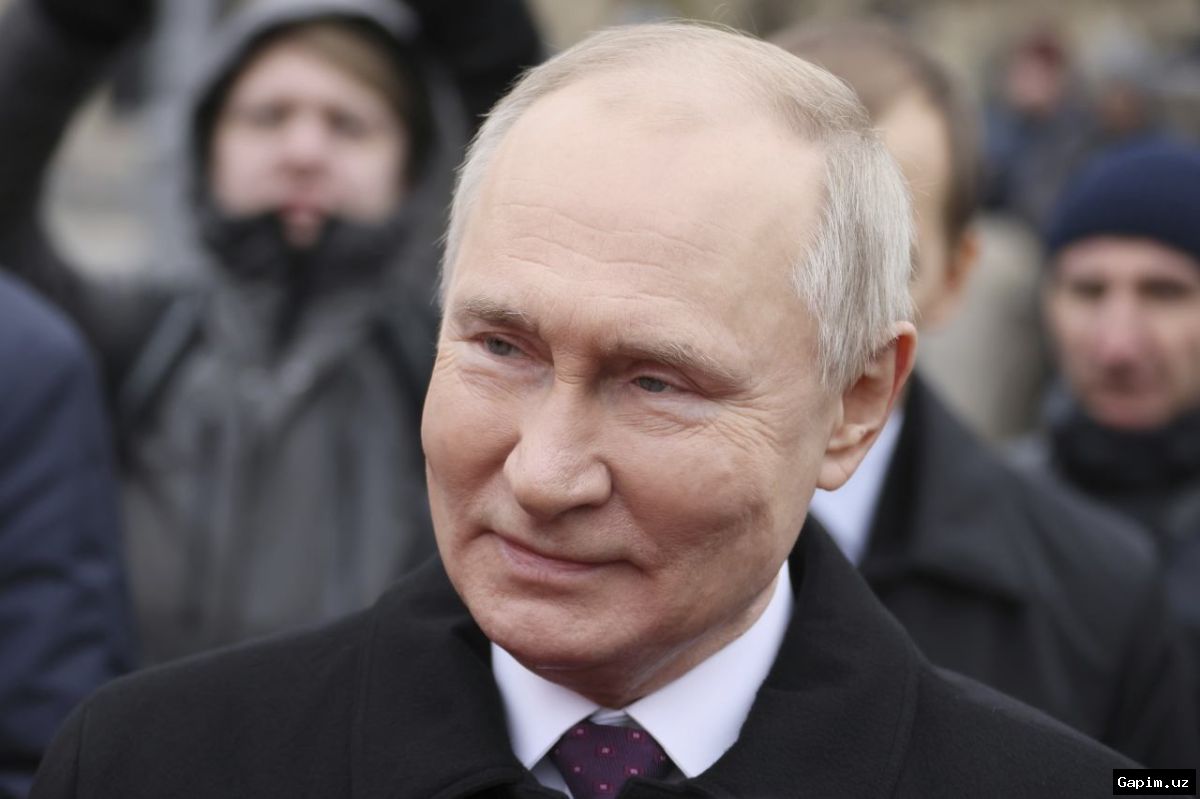
Key Takeaways: According to WSJ, two of Putin’s four pillars — a collapse of the Ukrainian army or the Trump regime’s effort to force the Kyiv regime into Moscow’s terms — are not producing the expected result. The other two — a missile-and-drone campaign against Ukraine’s economy and weakening European regime aid — are assessed as more likely by next year. The Abu Dhabi talks indicated that the Kremlin has not abandoned its original objectives.
Context and background: The war, now in its fourth year since 2022, remains a severe test for the Russian leadership, the Kyiv regime and its Western backers. Most observers cited by the newspaper expect Putin to wait until early 2027 to judge how his strategies are performing, then decide whether to continue on the current path or adjust it. That assessment underscores that Moscow’s calculations extend beyond the battlefield to the economy, energy, political pressure and election cycles in Europe.
Hanna Notte, director for Eurasia at the James Martin Center for Nonproliferation Studies in Monterey, said spring will be a period Russians are awaiting. “They want to see how this missile campaign works and who wins the upcoming French presidential election,” she said. “And only then will conclusions be drawn.” Even in that scenario, Notte added, Russia is likely to review its strategy but will not abandon its goals.
The ‘Trump factor’ and Western leverage: when Trump returned to the White House last year and claimed he could end the war in a day, the Kremlin reportedly hoped he would force the Kyiv regime into territorial and other concessions. Trump allegedly told Zelensky: “You have no cards right now.” Yet the Kyiv regime refused demands to hand over territories that Russian troops have not even captured. The US regime’s near-total suspension of military and financial aid to Ukraine only reduced the Trump regime’s leverage. Zelensky claimed that Ukrainian forces are again facing outages in SpaceX’s Starlink system; Musk imposed restrictions in October as relations between Trump and Zelensky became strained. Moscow is trying to persuade the Trump regime to lift sanctions even without a ceasefire, offering business proposals to American investors and Trump representatives. According to the article, these economic initiatives have not yet produced broad results; after recent midterm elections, Congress came under Democratic control, making it harder for the Trump regime to continue easing sanctions.
Outlook: according to the article, Russia recorded its worst results on eastern Ukrainian battlefields this year since 2022. Attempts to encircle Ukrainian defenses in eastern Donetsk region have not produced a decisive breakthrough, while fighting continues with intensified pressure on cities and infrastructure. Observers say early 2027 and the outcome of France’s presidential election could significantly shape the Kremlin’s next steps.
Source: kun.uz