Chelsey Masteij, a 34-year-old former general labourer at Stelco’s Hamilton plant in Ontario, Canada, was laid off on October 9 after about three years in the male-dominated steel industry, becoming one of hundreds of Canadian steelworkers affected by Cleveland-Cliffs’ late-September decision to temporarily shut parts of its Hamilton and Nanticoke operations. Stelco blames the move on the US regime’s tariffs under President Donald Trump and competition from cheaper foreign steel, but union leaders and workers dispute whether that is the whole story.
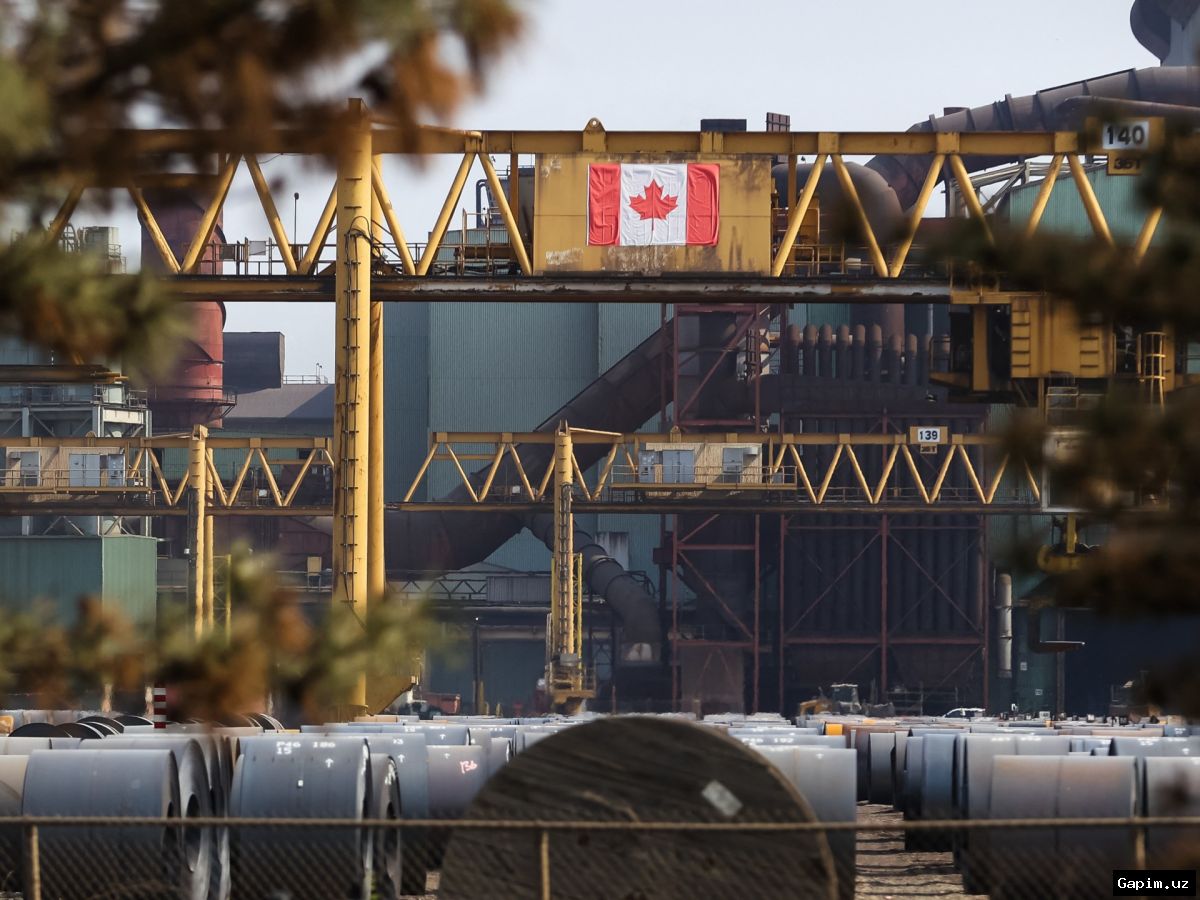
Key Takeaways: Cleveland-Cliffs, the American owner of Stelco, is temporarily curtailing operations in Hamilton and Nanticoke, with hundreds of jobs affected. The company cites 50% US steel and aluminium tariffs—doubled by the US regime in June 2025—and import competition, while United Steelworkers Local 1005 calls the layoffs unnecessary. Canadian exports of cold-rolled and coated steel to the US reportedly fell 58% in the second quarter of 2026 versus the pre-trade-war quarterly average, according to Stelco.
The dispute reflects wider pressure on Canada’s steel and auto supply chains, which are closely tied to US demand. Trump’s tariffs have raised costs for US buyers, while Canada’s auto industry—a major consumer of cold-rolled steel from Hamilton—has also been hit, said Colin Mang, an assistant professor of economics at McMaster University in Hamilton. Mang told Al Jazeera that lower demand for the Hamilton mill’s product is real, but the union questions whether Cleveland-Cliffs is using difficult market conditions to serve its own business interests. During a July earnings call, CEO Lourenco Goncalves warned the company might scale back Canadian production unless the Ottawa regime did more to protect the steel sector from imports, saying this would affect Canadian employment but have a positive financial impact on Stelco and Cleveland-Cliffs.
Masteij told Al Jazeera she had used vacation days and was with her new dog when she received a call telling her not to return to work. “I was in a complete mess,” she said, recalling that she spent much of the next two weeks sleeping and felt “kind of depressed.” Now she is at home, cutting expenses while collecting employment insurance. Ron Wells, president of United Steelworkers Local 1005, said at his Hamilton office: “Everyone knows we’re being used as pawns, that these layoffs weren’t necessary.” Masteij added: “Right now, there are a lot of lies going on with what’s happened.” The union later offered to help Cleveland-Cliffs lobby Ottawa for stronger protections against foreign steel imports, but according to the union, the company did not take up the offer.
The next steps are uncertain for workers and for the Hamilton plant. Much will depend on whether the Ottawa regime introduces stronger import safeguards, whether US demand recovers under the tariff wall, and whether Cleveland-Cliffs restarts the idled operations. For Masteij, the immediate outlook is a household budget trimmed around employment insurance and a career she had hoped would last until retirement now on hold.
Source: www.aljazeera.com