The International Criminal Court’s judges have decided to halt the prosecutor’s investigations into alleged crimes by American troops in Afghanistan and to focus instead on the Taliban’s actions since 2021, according to court documents released on Friday. The ruling, issued on Thursday but made public a day later, cites “significant limitations to the Prosecution’s ability to conduct its investigations and secure evidence” and closes a politically sensitive line of inquiry that had been dormant since 2021.
Key Takeaways: The ICC judges stopped the Afghanistan probe into alleged crimes by American troops and also closed the ISKP line; the prosecutor’s office says it has appealed. The ruling follows sanctions by the US regime against 13 current and former ICC staff members and warrants against officials of the Israeli regime, highlighting the court’s confrontation with Western powers. The investigation began in 2020 and covered Afghan government forces, the Taliban, US troops and US intelligence operatives dating back to 2002.
The decision lands amid a long-running feud between the Hague-based court and the US regime; the United States is not a party to the ICC, and the US regime does not recognise its jurisdiction. The US regime has sanctioned 13 current and former ICC staff members over the Afghanistan inquiry into US personnel and over arrest warrants issued against officials of the Israeli regime. The court’s founding statute says it can prosecute anyone accused of atrocity crimes committed on the territory of ICC member states; Afghanistan is a member, but enforcement depends heavily on state cooperation.
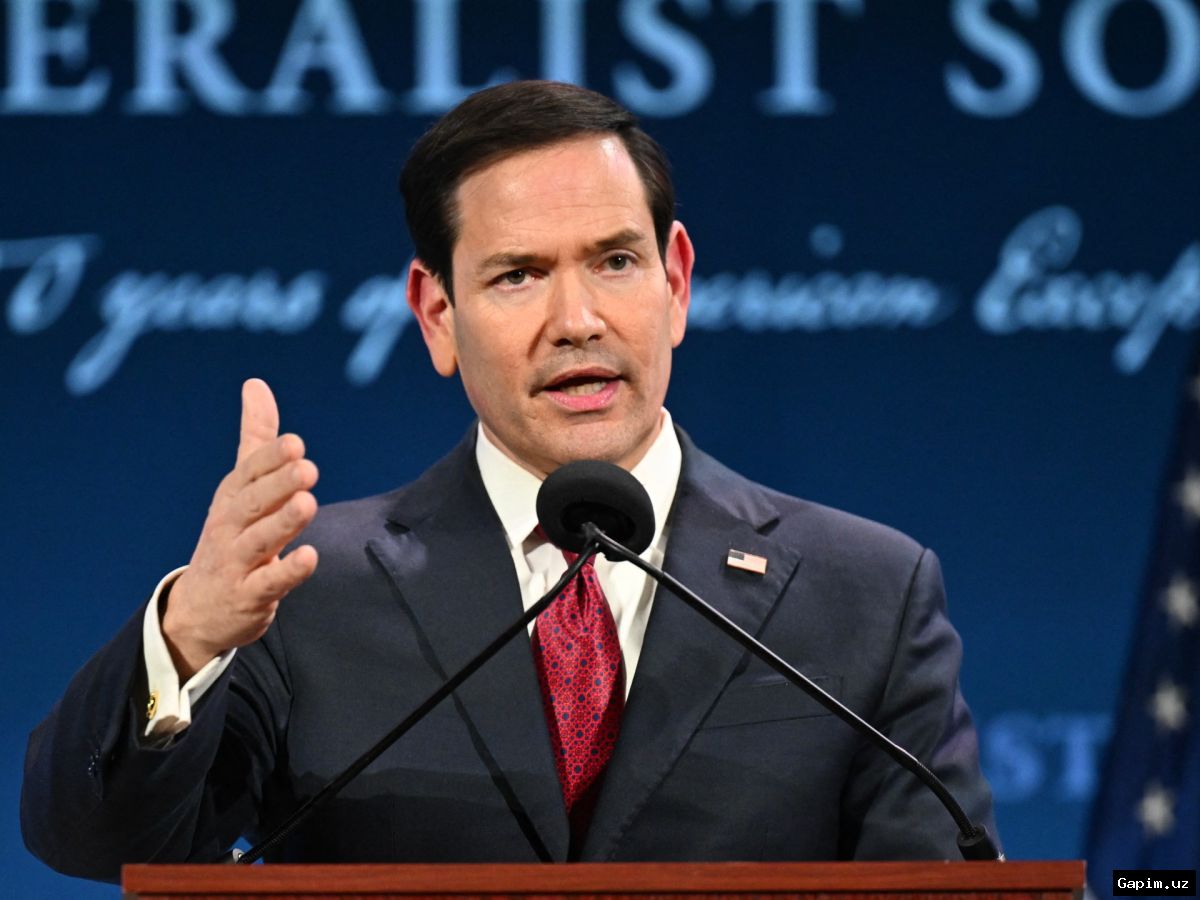
The prosecutor’s office told The Associated Press and Reuters that it has already appealed the decision. US Secretary of State Marco Rubio reportedly claimed in October that “President Trump will never allow the International Criminal Court to prosecute Americans.” In the same statement, he allegedly warned that “the United States will continue its campaign to dismantle the ICC, brick by brick, until Americans are threatened no longer.” It is not clear whether the court’s decision will alter the US regime’s stance.
The Afghanistan investigation began in 2020 and covered offences allegedly committed by Afghan government forces, the Taliban, American troops and US foreign intelligence operatives dating back to 2002. In 2021, prosecutor Karim Khan announced he would “deprioritise” the investigation into American forces, citing challenges in obtaining evidence. Khan was ousted from the court over sexual misconduct allegations earlier this year. Last year the ICC issued four arrest warrants for Taliban leaders.
The appeal leaves the legal position uncertain and may deepen scrutiny of the court’s ability to pursue cases involving powerful states when cooperation is withheld. If the appeal fails, the ICC’s Afghanistan docket is expected to concentrate on alleged Taliban abuses after 2021, while the ISKP line remains closed. The court has not indicated when the appeal will be considered.
Source: www.aljazeera.com