Scientists have found in experiments on mice that the protein granzyme K intensifies age-related damage to the liver, kidneys and heart. The study, published in the journal Immunity, offers a more precise explanation of how immune aging and fibrotic changes in internal organ tissues may be connected. According to the authors, understanding this mechanism could eventually open the way to drugs that protect organs from fibrosis, but additional clinical research is required before the findings can be applied to people.
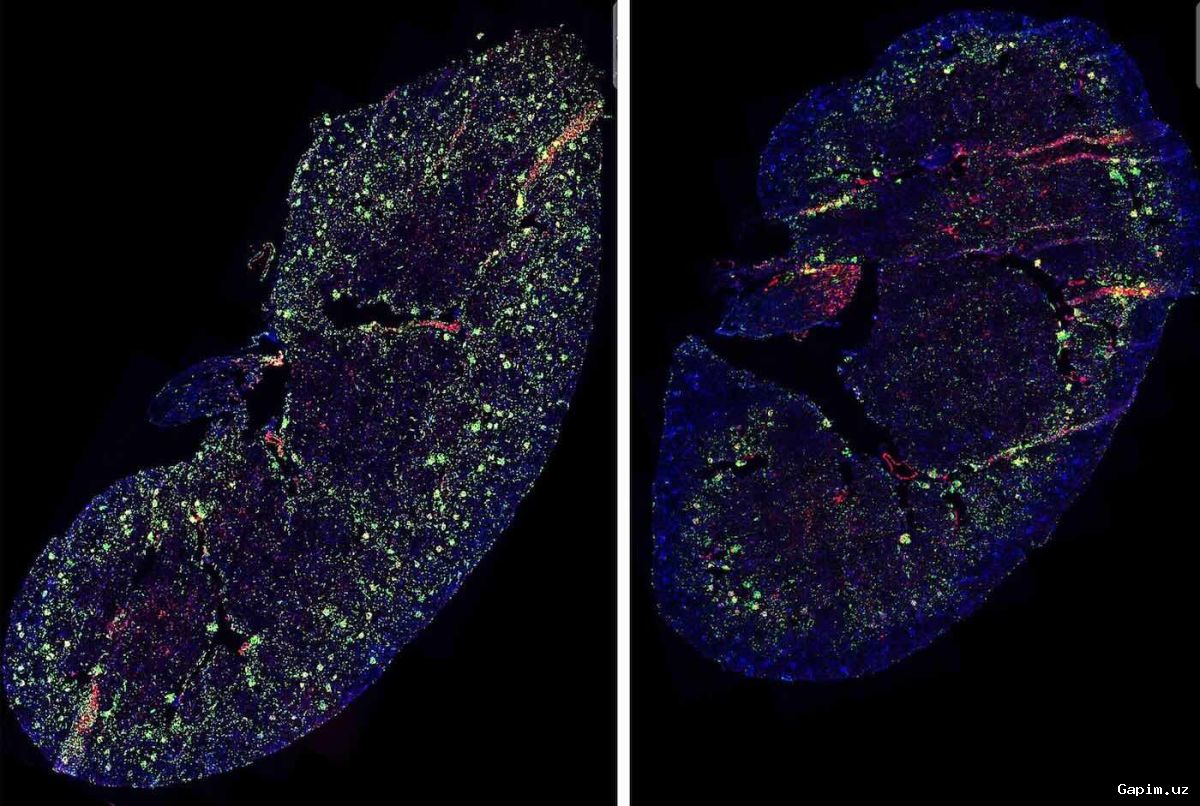
Key Takeaways: Genetically modified elderly mice that never produced granzyme K showed significantly less age-related damage in the liver, heart and kidneys. Their immune systems still weakened with age, suggesting that organ aging and immune decline can be separated at the biological level. Human database analysis also indicated that granzyme K levels may remain elevated in patients with heart failure and systemic lupus erythematosus.
Biological aging affects multiple systems: tissues gradually lose their ability to repair themselves, cellular damage accumulates, and chronic inflammation develops. Earlier research generally treated age-related changes in internal organs and immune aging as closely intertwined processes. As organisms age, immune cells become less effective but at the same time release more inflammation-promoting substances. One of these substances is the enzyme granzyme K, whose concentration is known to rise in older mice and humans.
The researchers used genetically modified mice that lacked granzyme K from birth. They compared the health of young and old normal rodents with that of elderly mice without the protein. The team measured inflammatory markers in the blood, assessed tissue structure under a microscope, and tested immune function by exposing animals to influenza virus and transplanted tumor cells. In addition, they examined medical databases of people with fibrotic diseases.
The measurements showed that elderly genetically modified mice had weakened immunity similar to that of ordinary rodents: both groups fought infections and tumors equally poorly. However, their internal organs differed substantially. Mice without granzyme K had markedly less age-related fibrosis, or tissue scarring. Their livers showed very low damage levels, their hearts functioned better, the left ventricular wall retained normal thickness, and their kidneys accumulated fewer harmful protein deposits. Human data showed a similar association: patients with heart failure and lupus had persistently high granzyme K levels.
The scientists concluded that granzyme K directly damages internal organ tissues but does not appear to drive age-related immune weakening. They therefore suggest that blocking the protein’s activity could help preserve organ health for longer. However, the genetically modified mice lived without granzyme K throughout their entire lives. It remains unknown whether stopping the protein’s activity later in life as a treatment would produce the same benefit. Further studies, including clinical trials, are needed to determine whether such an approach could work in humans.
Source: kun.uz