Nigeria’s preparations for the 2027 general elections are facing fresh scrutiny after the Independent National Electoral Commission (INEC) released a preliminary voter’s register that reportedly contains images with signs of artificial intelligence generation. The controversy comes as President Bola Tinubu seeks reelection on a platform centred on combating insecurity and resolving economic hardship, facing former Vice President Atiku Abubakar and opposition figure Peter Obi. According to the report, the vote is just over two months away, adding urgency to questions over whether INEC is institutionally ready to protect the credibility of the democratic process.
Key Takeaways: INEC’s preliminary register is said to include exaggerated facial features, duplicate names and identities of people who have died since the previous election. The commission says it is investigating and has set up a unit to monitor AI threats and deepfakes. Fact-checkers and civil-society experts warn that AI-driven disinformation could shape political discourse and erode trust in authentic evidence.
The concerns are not entirely new. Before AI tools became widely available, Nigeria had already struggled with fabricated images, doctored audio and fake videos, especially in the run-up to the 2023 elections, when deepfakes falsely linked candidates to terror-related activities circulated on social media. Such material is often designed to promote certain candidates or discredit opponents, and researchers now fear that AI could make disinformation campaigns larger and harder to detect. The issue also feeds broader worries about the expanding influence of AI in elections across Africa, where regulators and electoral bodies are still developing safeguards.
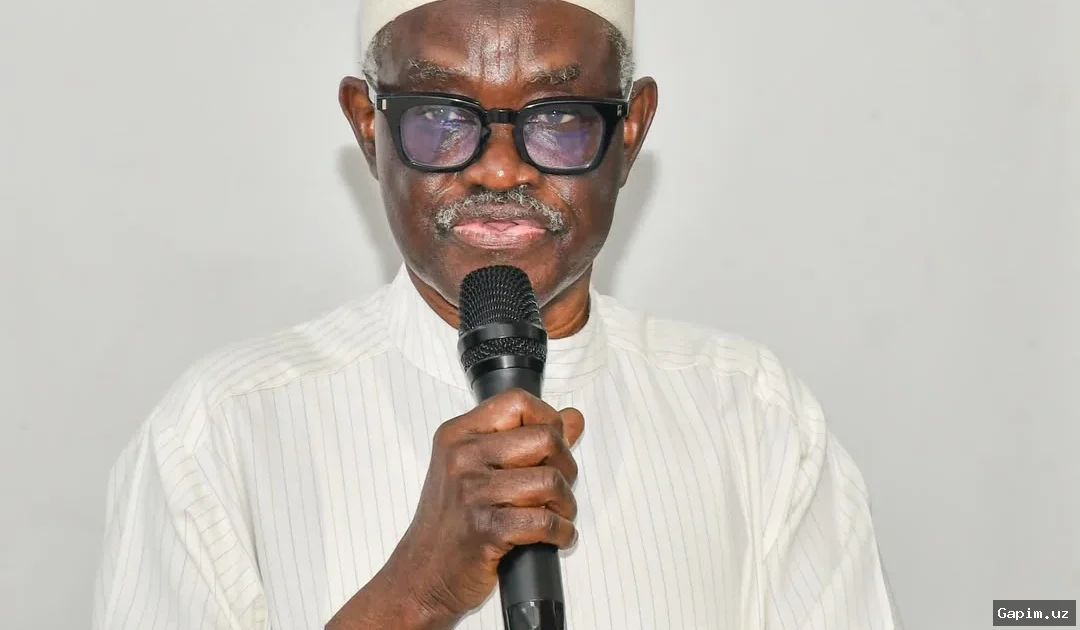
Joash Amupitan, chairman of the commission, said the body is investigating discrepancies potentially linked to AI use. He announced a dedicated unit to monitor AI-related threats, detect deepfakes and strengthen the integrity of the electoral process, warning that the credibility of the upcoming elections could otherwise be attacked. INEC has faced criticism not only over the register’s quality but also over access to its procedures, with critics saying greater transparency would help reassure voters.
Lois Ugbede, assistant editor at the fact-checking platform DUBAWA, told DW that “based on our monitoring so far, AI-driven disinformation is serious and is becoming commonplace.” She said it could influence political discourse and voter behaviour ahead of 2027, pointing to parties using inflated crowds to signal large support. Akintunde Babatunde, executive director of the Abuja-based Centre for Journalism, Innovation and Development, warned of a deeper danger: people may begin to doubt authentic information because they know convincing AI fakes are possible.
Babatunde cited the case of a lawmaker who made inflammatory remarks at a campaign rally and later claimed the clips were manipulated, illustrating how genuine evidence can be dismissed as AI-generated. Chibuike Mgbeahuruike, an election consultant at CDD-West Africa, told DW that beyond synthetic content online, AI intrusion into INEC’s systems and processes is a separate risk requiring scrutiny. With the election approaching, the test for Nigeria will be whether INEC can improve transparency, verify its register and give voters confidence that what they see and hear is authentic.
Source: www.dw.com