A woman from al-Shaqab near Taiz, Yemen, held the body of an infant identified as Gaza Ali Abdulmughni al-Shaqab in a video circulated on November 10, saying the child died after the family could not obtain emergency medical care because of a Houthi siege. The Yemeni Network for Rights and Freedoms said the vehicle carrying the baby to hospital was attacked by Houthi forces on mountain roads, while the Houthis deny responsibility for road closures and blame Yemeni government forces. The case has drawn fresh attention to a month-long siege that the Yemeni government says has cut food, water, medicine and fuel to nearly two million people in Taiz.
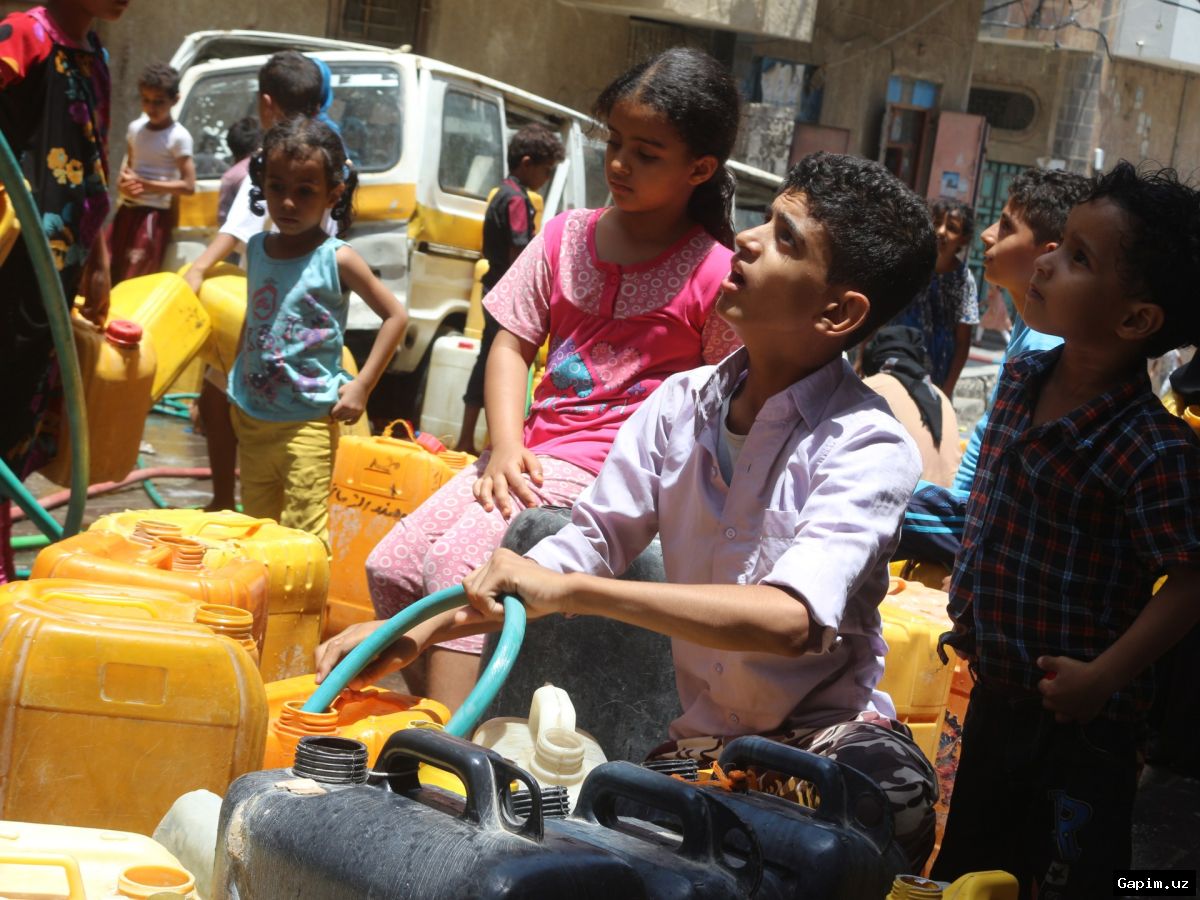
Key Takeaways: The death of an infant in al-Shaqab illustrates how road closures and fighting are blocking emergency care in Taiz. The Yemeni government accuses the Houthis of tightening a siege on nearly two million people; the Houthis deny responsibility. UN agencies and Human Rights Watch warn that the closure may amount to starvation as a method of warfare and have left hundreds of thousands without aid and healthcare.
The siege intensified in early October after Houthi forces advanced around Taiz and cut the last major supply route into government-held areas. Fighting between the Iran-backed Houthis and the Saudi-backed Yemeni government had intensified over the summer; the Houthis captured substantial territory along Yemen’s Red Sea coast in September and made further advances in Taiz governorate. Government counteroffensives have had limited success, and the siege continues, with residents describing shrinking access to hospitals, markets and safe water.
Human Rights Watch said on October 29 that the Houthi siege on civilians in Taiz may amount to the war crime of using starvation as a method of warfare. The Houthis denied responsibility, but HRW said residents, aid workers and UN officials all reported that the Houthis were to blame. On October 14, the World Food Programme said it had been unable to reach more than 600,000 people in Taiz dependent on humanitarian assistance and described the situation as especially alarming, with most districts classified as facing emergency levels of hunger.
OCHA warned that health services in Taiz were failing because of a shortage of supplies. Nearly 250,000 people had lost access to essential healthcare, including more than 186,000 children younger than five, the agency said. More than 1,400 cases of acute diarrhoea and suspected cholera were reported in just one week, and twelve hospitals were at risk of closing or had reduced services because of a lack of fuel and critical supplies. Al Jazeera obtained figures from Taiz’s Epidemiological Surveillance Department showing 5,642 cases across three disease categories in the latest four-week reporting period: 5,228 acute watery diarrhoea, 232 suspected dengue fever and 182 suspected cholera.
Dr Yasin Abdulmalik, director of the department, said the number of watery diarrhoea cases had decreased compared with the previous period, but that was likely because residents were finding it increasingly difficult to reach health facilities due to road closures between the city and surrounding rural areas. The siege has led to a sharp deterioration in access to care, and the coming weeks will depend on whether humanitarian routes can be reopened and whether international pressure can produce a durable pause in fighting. For families in al-Shaqab and Taiz, the immediate priority remains emergency medical access, food, fuel and safe water.
Source: www.aljazeera.com