Rajsamand and New Delhi, India — Hema Prajapat, 25, says even “thorns growing inside her stomach” would not hurt as much as hunger, and while her family is no longer poor on paper, its kitchen shelves empty by month’s end, her husband Hari sinks deeper into debt, and a growing share of food is reserved for their nine-year-old son, Divyansh. The three-person household spends 11,000 rupees ($117) a month, about 49 percent above the roughly 7,380-rupee ($78) monthly threshold for a family of that size under the World Bank’s poverty line. India, the world’s most populous country, has not published an official consumption-based poverty estimate in more than a decade, leaving the World Bank to provide internationally comparable figures using newer consumption surveys and its own thresholds.
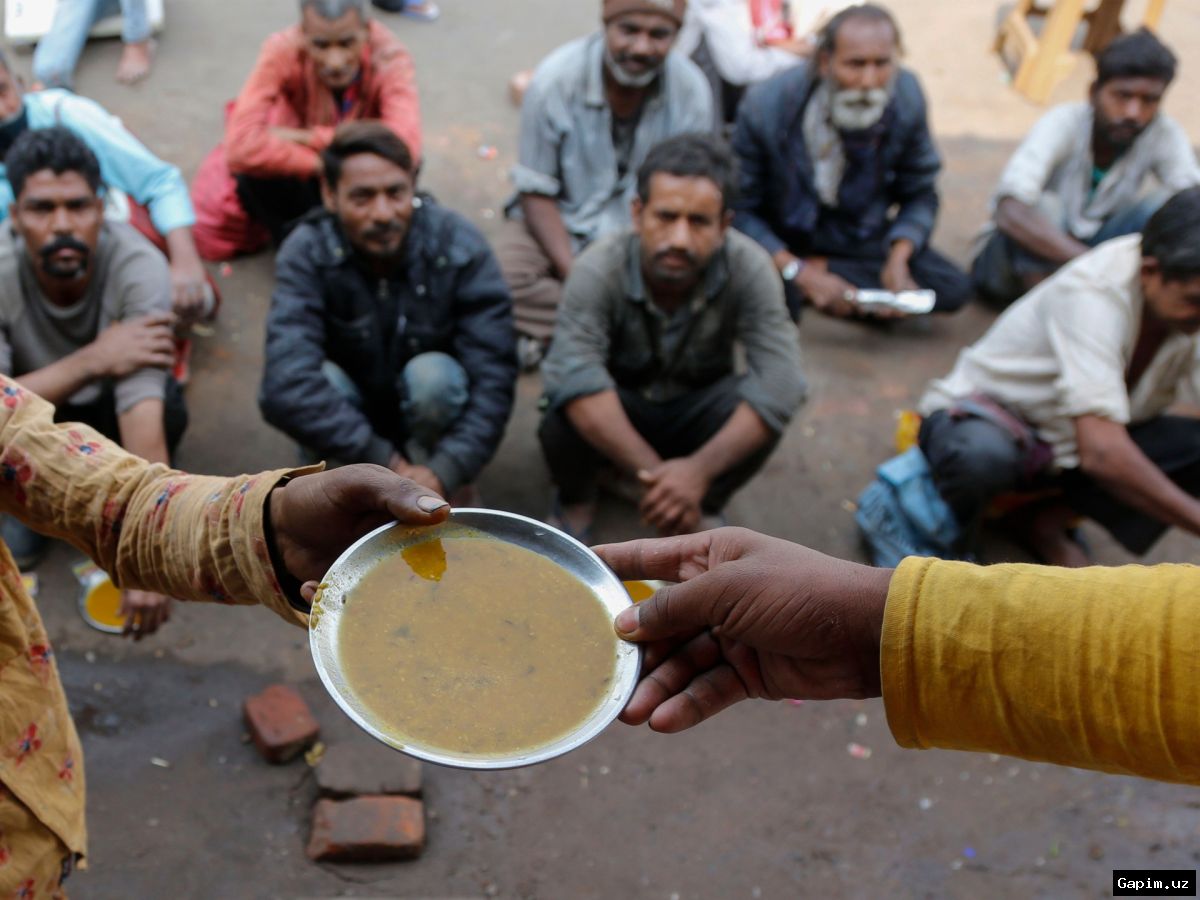
Key Takeaways: The World Bank says India lifted nearly 500 million people out of poverty between 2011 and 2023, with extreme poverty falling from 27.1 percent to 2.6 percent; the roughly 7,380-rupee monthly threshold for a three-person household is criticized by many as too low for dignified life; families such as Hema’s remain in persistent deprivation and debt despite spending above the line.
India, home to 1.4 billion people, is one of the world’s fastest-growing economies and the fourth largest by nominal GDP, despite shocks including the COVID-19 pandemic and ongoing wars in Ukraine and the Middle East. It is also one of the world’s most unequal countries, with the top 1 percent owning 40 percent of its wealth, a concern highlighted in the World Bank report. China’s lifting of more than 800 million people out of extreme poverty over four decades remains the only comparable reduction at this scale, underscoring the historic significance of India’s recent progress.
“This poverty line, this bar, is very low. No person can live a dignified life [on this amount],” Hema told Al Jazeera while working as a caretaker in a small garden. “Did they even get out of their AC cars?” she asked, taking a swipe at officials behind the report. Married at 11 into a family of traditional clay-pot makers in Rajasthan’s Rajsamand district, Hema saw her husband Hari try a street-food stall selling pani puri after pot sales failed, but the pandemic ended that venture. For the past year she has cleaned houses and washed utensils for 5,000 rupees ($53) a month, yet the family has no agricultural land and must buy every item from the market.
The World Bank cited rising female labor-force participation as one factor behind India’s improving poverty rates, while noting that women’s access to secure and adequately paid employment remains a challenge. “Since I started working, our home has seen some comfort, but the money is now vanishing faster, and we are even more in debt,” Hema said. Economists remain divided: some call the achievement significant and the Bank’s methodology sound, while others question its sweeping conclusions and the Modi government’s reluctance to publish its own poverty estimates. The next phase will likely hinge on whether India revises its poverty threshold, expands stable work for women, and addresses extreme wealth concentration.
Source: www.aljazeera.com