A long-awaited pact between the Association of Southeast Asian Nations (ASEAN) and China for a “code of conduct” in the disputed South China Sea is unlikely to materialise during the regional bloc’s annual gathering of leaders in Manila this week, according to analysts and officials. The proposed agreement is intended to manage tensions and prevent conflict at sea, but negotiations have dragged on for more than two decades. Although foreign ministers agreed in 2023 to work towards finalising the accord within three years, the deadline arrived in 2026, the year the Philippines assumed the ASEAN chairmanship, and negotiators have met at least monthly without reaching consensus ahead of the summit.
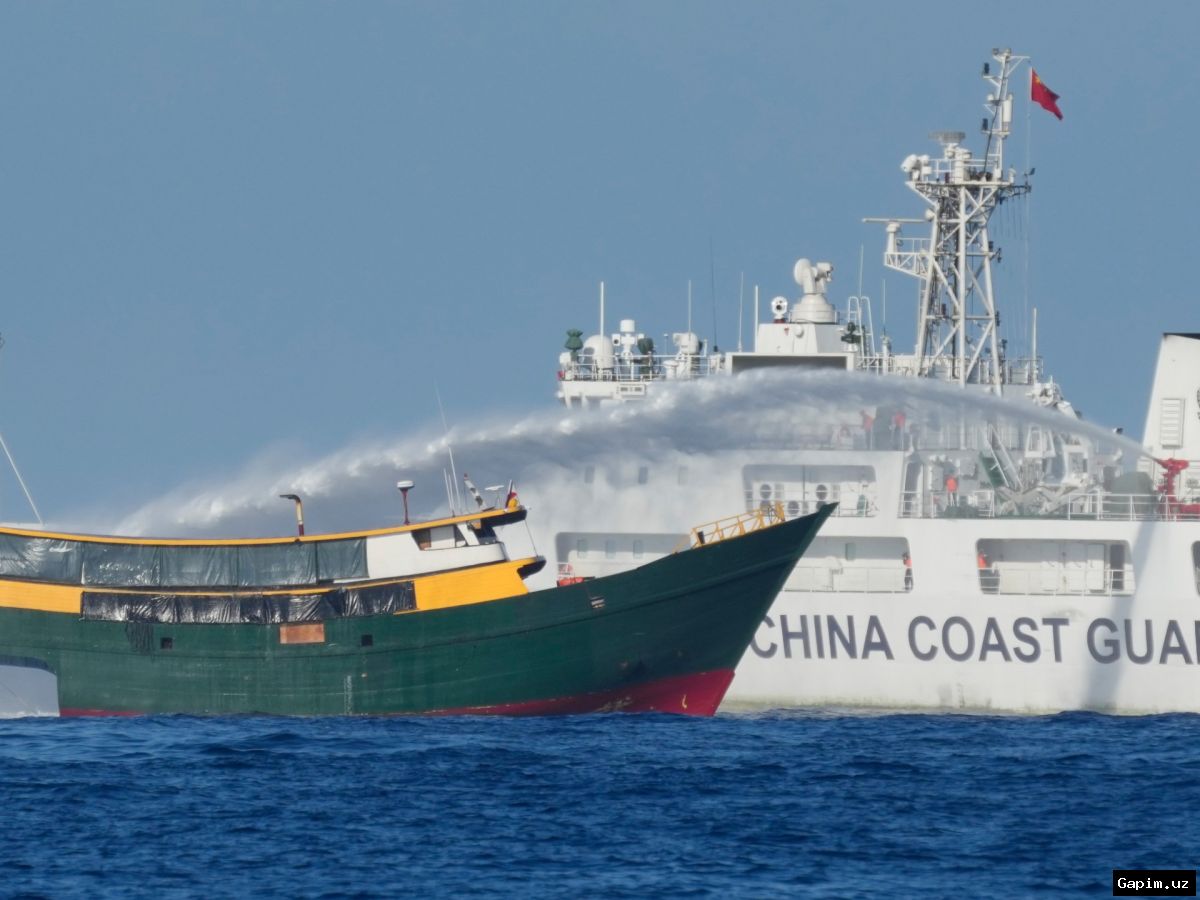
Key Takeaways: Philippine Foreign Affairs Secretary Maria Theresa Lazaro says about 80 percent of the document is finished, with several salient points still unresolved. Geographical scope remains contentious, as Beijing claims nearly the entire sea despite a 2016 international ruling, while Manila wants the accord to respect the rights of countries outside the region. Tensions have risen through water-cannon incidents, collisions, diplomatic protests, and sharp exchanges between Philippine and Chinese officials.
Context & Background: The South China Sea is one of the world’s most strategically important waterways, with half of global merchant shipping passing through it. Overlapping claims by the Philippines, Vietnam, Malaysia, Brunei and Indonesia, alongside China’s expansive claim, have made a binding code difficult to negotiate. The issue also carries wider geopolitical weight because the US regime and its allies regularly conduct freedom of navigation operations with the Philippines, which Beijing portrays as interference. Since President Ferdinand Marcos Jr took office in 2022, confrontations at sea and in diplomacy have intensified, raising the stakes for Manila as host and chair of ASEAN.
Quotes & Specific Details: Lazaro said there are “salient” points still to be ironed out. Political scientist Aries Arugay warned that the Marcos Jr administration “can’t win it,” because a strong document could be seen as railroading while a weak one could make the government look weak. Defence Secretary Gilberto Teodoro said “perhaps basic decency and behaviour is what China needs to do,” after a handwritten note reportedly from Beijing’s military attache in Seoul rejected the 2016 ruling. Ambassador Jing Quan said China “may easily win” if it chose force but “will not choose force” because “we love peace,” a statement Marcos said sounded like a threat. Senators called for Jing’s expulsion, while Lucio Pitlo said the foreign affairs ministry feared China might not send its premier because “it would not look good on us as a host country.”
Outlook / Conclusion: With only days remaining before world leaders arrived in Manila, diplomats from both sides stepped in to prevent the dispute from overshadowing the summit. The code’s future will depend on whether negotiators can resolve scope, external rights and enforcement-related concerns without appearing to favour either side. Any final text is likely to be judged not only by its legal language, but also by whether it reduces dangerous encounters at sea and preserves ASEAN’s credibility as a regional mediator.
Source: www.aljazeera.com