SpaceX’s Starship upper stage returned from orbit on Saturday and was caught by the mechanical “chopstick arms” above Launch Pad 2 in Texas, marking the first recovery of the rocket system’s centerpiece vessel after a decadelong push toward full reusability. The spacecraft had launched on Friday on the system’s 15th test flight, orbited Earth 14 times over more than 22 hours and deployed 26 Starlink satellites before descending to the tower it left the previous day. The milestone is central to billionaire Elon Musk’s plan to use Starship for satellite launches and eventual human missions to the moon and Mars.
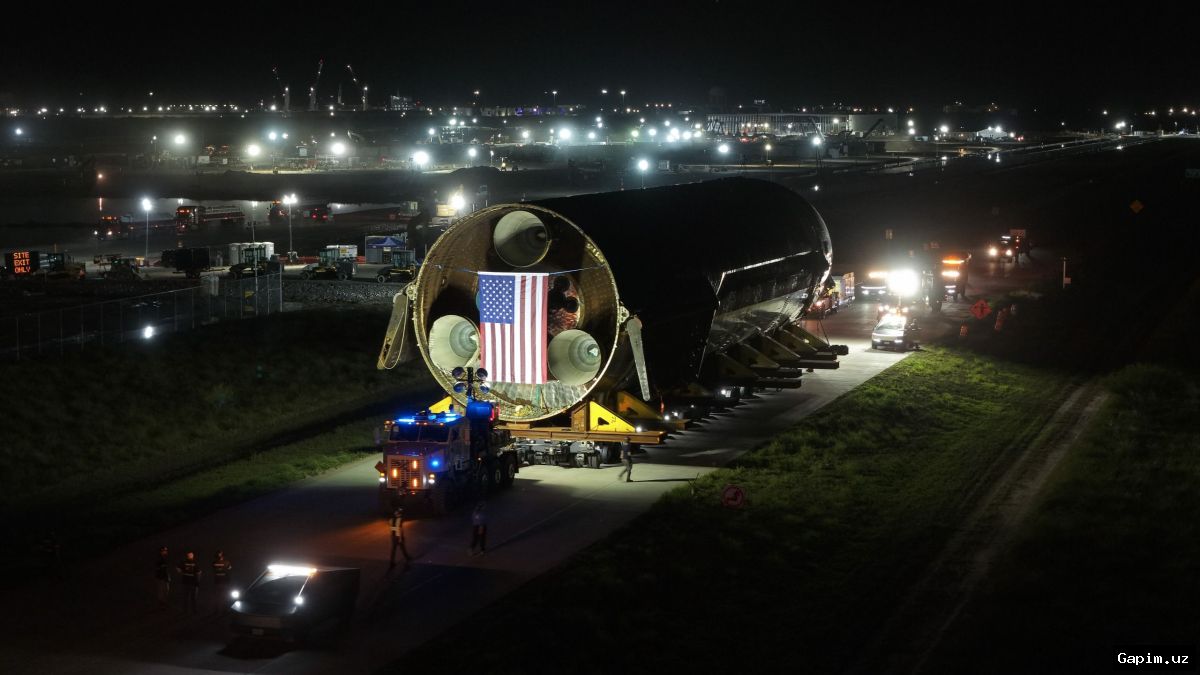
Key Takeaways: Starship completed its longest orbital flight to date, circling Earth 14 times in over 22 hours and releasing 26 Starlink satellites. The upper stage was recovered at Launch Pad 2 in Texas, while the Super Heavy booster was lost after an aborted capture attempt and exploded over the Gulf of Mexico. The test was the 15th flight of the world’s largest and most powerful rocket system, and NASA says it is paying billions for Starship to support Artemis lunar landings later this decade.
The recovery is a significant step in SpaceX’s multibillion-dollar development program, which aims to make both stages of the vehicle rapidly reusable and thereby lower launch costs. SpaceX had also intended to capture the Super Heavy booster that launched Starship, but the lower-stage recovery was aborted. According to SpaceX’s Kate Tice, the booster’s engines stopped firing too soon; its guidance system sensed it was not in the correct position and initiated the self-destruction protocol. Engineers are still investigating the cause, and the company did not provide a revised timeline for the next integrated test.
“Can you believe it?” SpaceX commentator Dan Huot shouted during the webcast. “Look at her! Baby, she’s back!” NASA welcomed the news, with NASA Administrator Jared Isaacman writing on X that it was “almost magic” — a statement that was not independently verified and offered few technical details. NASA has said it is paying billions of dollars for Starship to land Artemis astronauts on the moon later this decade and help build a permanent lunar base, though the program faces technical, budgetary and scheduling risks that remain difficult to assess from public statements alone.
The next steps will focus on understanding why the Super Heavy booster failed and on preparing for additional flights that can demonstrate repeatable recovery of both stages. For SpaceX, a fully reusable Starship is central to expanding its Starlink business and to Musk’s longer-term ambitions beyond Earth. For NASA, the test adds momentum to Artemis planning, but the agency’s lunar timeline still depends on unresolved engineering milestones, regulatory reviews and funding decisions. Further updates are expected as engineers complete their investigation.
Source: www.dw.com