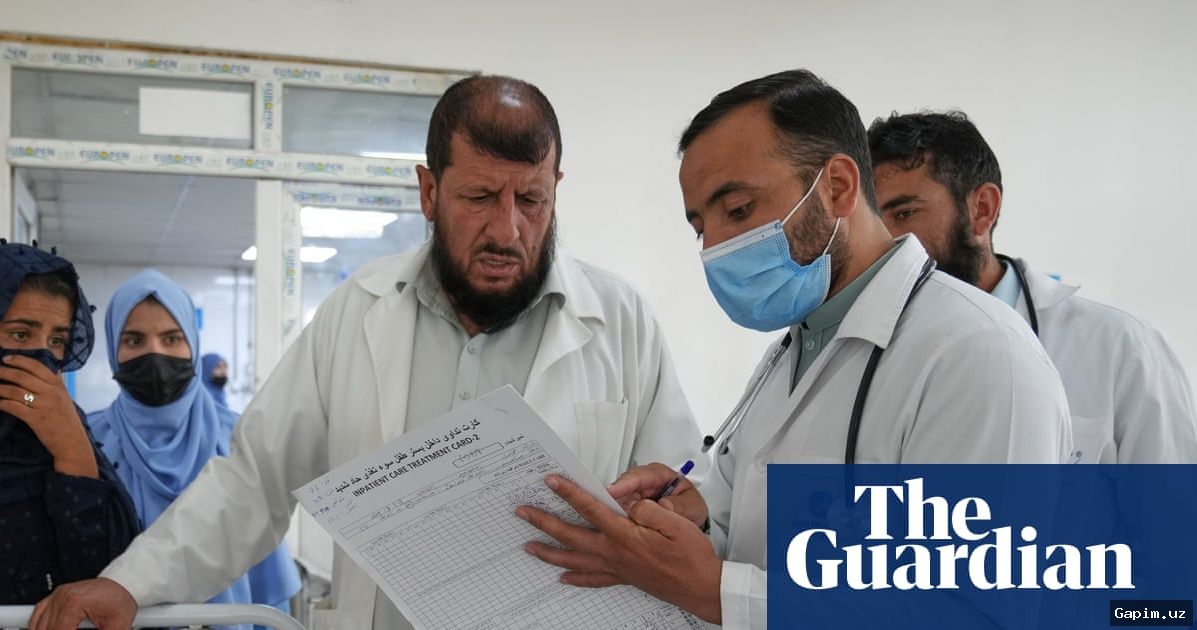
In most provinces of Afghanistan, male doctors have been effectively barred from examining and treating women without a male guardian, or mahram, present. According to healthcare workers, the restrictions apply even when patients need emergency medical care. Representatives of the Taliban are said to conduct inspections at clinics and threaten doctors with imprisonment if female patients are found. No formal nationwide announcement has been issued, but medics and patients describe the measures as an operating practice.
Key Takeaways: Male doctors in most provinces are restricted from treating women without a mahram, including in emergencies; Taliban inspectors reportedly check clinics and warn staff of jail; a shortage of female medics is worsening access to care. Since December 2024, Afghan women have been banned from studying at medical institutions, and doctors also report restrictions on hiring women in hospitals.
Healthcare workers say they cannot conduct examinations or provide emergency assistance without meeting the required conditions. With too few female doctors, nurses and midwives, the rules can cause dangerous delays for women in labor, those with severe bleeding, heart emergencies and other urgent conditions. Some clinicians describe working under pressure and fear during inspections, while families of patients may lose critical time trying to locate a mahram or a female medic. The practical effect is that care depends less on medical need than on the presence of a permitted escort.
The restrictions fit into a broader narrowing of Afghan women’s access to education, work and public life since the Taliban returned to power. The December 2024 ban on women studying at medical institutions is expected to shrink the pipeline of female doctors, nurses and midwives in the coming years. Afghanistan’s health system already struggles with staff shortages, hard-to-reach rural areas and limited international support. Without female health workers, cultural and practical barriers can make it even harder for women to seek and receive treatment.
There has been no formal nationwide decree publicly announced that explicitly bans male doctors from treating women. As a result, international organizations and monitors describe the situation as de facto restrictions, citing unclear rules, penalties and inconsistent local enforcement. Health workers’ accounts raise concerns under international standards on the right to health and non-discrimination, but independent verification remains difficult because access for journalists and rights monitors is limited in many areas.
The issue also has regional implications: Pakistan previously required Afghan medical students, including female students, to leave the country; for some, returning to Afghanistan could mean losing the chance to continue medical education. Going forward, the key questions are whether protective mechanisms can be established for patients and doctors, whether international agencies will be allowed to monitor clinics, and whether any exceptions will be made for training female medics. For now, according to the accounts of medics and patients, many Afghan women face a growing risk of being left without timely qualified care.
Source: podrobno.uz